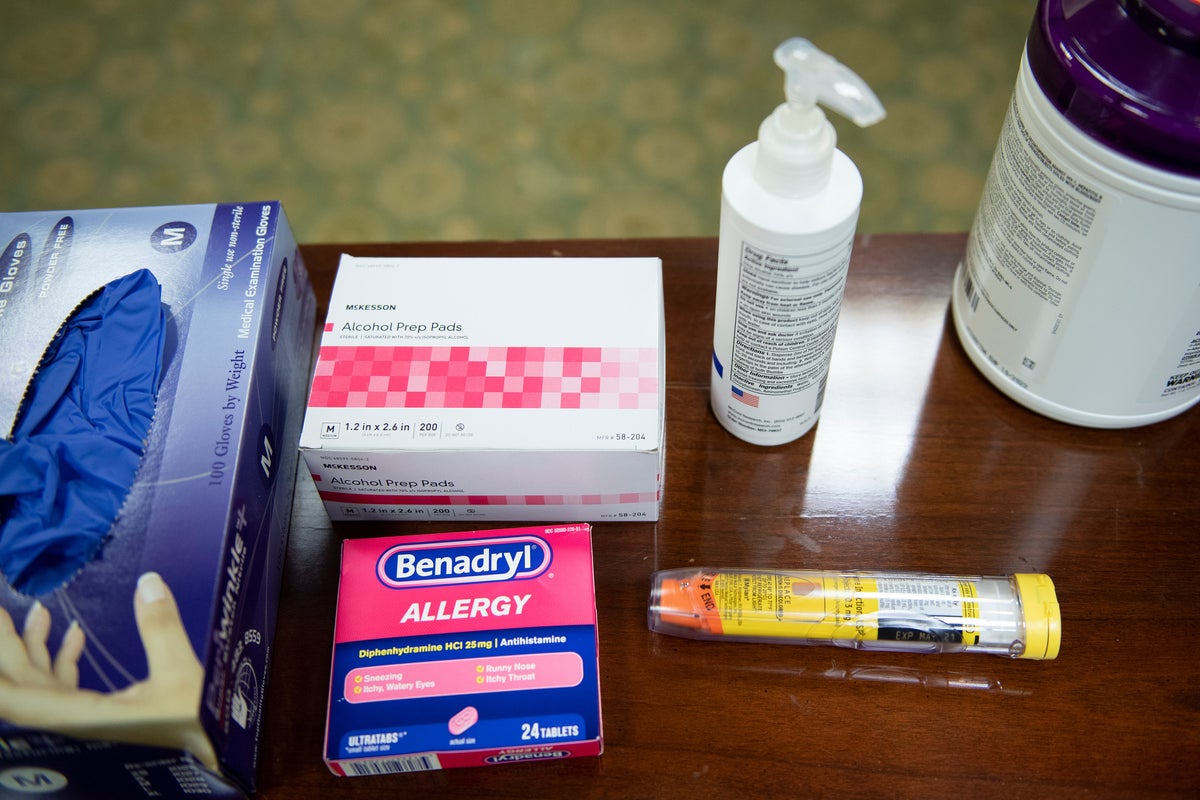
You think your home is safe because the heavy-duty prescription painkillers are locked away. You've had the talk about street drugs. But right now, the biggest threat to your teenager might be sitting in a bright pink box in your unlocked bathroom medicine cabinet.
Health officials in San Diego just issued a massive warning after five kids were hospitalized in a single week at Rady Children’s Hospital. The culprit wasn't an illicit substance bought on a street corner. It was diphenhydramine. You know it as Benadryl.
These kids were all attempting the viral Benadryl challenge circulating on social media apps like TikTok. The goal of this trend is simple and incredibly stupid: swallow massive amounts of the allergy medication to force yourself to hallucinate.
The problem is that the dose required to trigger those hallucinations is exactly the same dose that can stop a child's heart.
The Deadly Math Behind Over the Counter Hallucinations
Many parents assume over-the-counter medications are inherently safe. That's a dangerous trap. Anything can be a poison if the dose is high enough. Diphenhydramine is an antihistamine that blocks histamine receptors, but when you flood the human body with megadoses, it attacks the central nervous system.
The kids in San Diego aren't isolated cases. The Food and Drug Administration (FDA) has been tracking this nightmare for a while, and the results are terrifying. Nationally, multiple deaths have been linked to this exact trend, including a 15-year-old girl in Oklahoma who took a fatal dose just trying to participate in the online craze.
When teens take dozens of these pills at once, it triggers severe anticholinergic toxicity. It messes with the body's regulation systems.
- Heart Rythms Fail: It blocks crucial electrical pathways in the heart, leading to dangerous arrhythmias, rapid heart rate, and sudden cardiac arrest.
- The Brain Short-Circuits: Instead of a fun "trip," the brain experiences terrifying delirium, violent seizures, and extreme agitation.
- Organ Failure: High doses cause complete urinary retention, severe hyperthermia, and respiratory failure.
The physical toll is brutal. It happens fast. Small body weights mean younger teens and pre-teens succumb to toxic levels with far fewer pills than an adult would.
Red Flags Every Parent Must Recognize Right Now
You can't rely on your kid telling you what they took. If they're experimenting with this trend, they'll likely hide it until it's too late. You need to know exactly what an anticholinergic overdose looks like. Emergency room doctors look for a specific cluster of symptoms that you can spot at home.
Look for bizarre, completely detached behavior. If your child is talking to people who aren't there or swatting at invisible bugs, that's a classic Benadryl hallucination. Watch their physical movements. Unsteadiness, stumbling, or an inability to walk in a straight line are immediate warning signs.
Physical appearance changes drastically too. The skin becomes flushed, bright red, and completely dry to the touch. Despite feeling burning hot and suffering from overheating, they won't be sweating. Their pupils will be massively dilated, looking like giant black circles even in bright light.
If you see these signs or find empty blister packs in their room, do not wait for the symptoms to pass. You're dealing with a medical emergency.
Moving Beyond the Digital Blame Game
It's easy to blame TikTok or social media algorithms for this crisis. The FDA has repeatedly pushed these platforms to scrub the videos and ban the hashtags. The platforms try, but the videos keep popping up under modified search terms or inside private group chats.
The hard truth is that waiting for tech companies to protect your kids is a losing strategy. The real vulnerability isn't the app; it's the open access to the drug.
Medical experts are now changing their advice for home safety. We used to only lock up prescription opioids or psychiatric medications. That's no longer enough.
You need to treat common over-the-counter drugs with the exact same level of security. Lock them up. Buy a small medication lockbox for your home. If you keep Benadryl in your purse or your car glove box, move it.
Immediate Steps to Protect Your Household
Don't panic, but take absolute control of the situation today.
First, count your medication. Know exactly how many pills are left in every cold, allergy, or sleep aid bottle you own.
Second, have a direct, unvarnished conversation with your kids. Don't dance around the subject. Ask them if they've heard of the Benadryl challenge on social media. Tell them plainly that it isn't a harmless joke or a cheap high—it's a fast track to an intensive care unit or a morgue. Explain that over-the-counter doesn't mean safe.
Finally, program the Poison Control number into your phone and your child’s phone right now: 1-800-222-1222. The line is free, confidential, and open 24 hours a day, seven days a week. If you even suspect an overdose, call them or drive straight to the nearest emergency room. Waiting to see what happens could cost your child their life.
This local news report features direct interviews with medical experts at Rady Children's Hospital detailing the specific clinical symptoms observed in the hospitalized San Diego children.