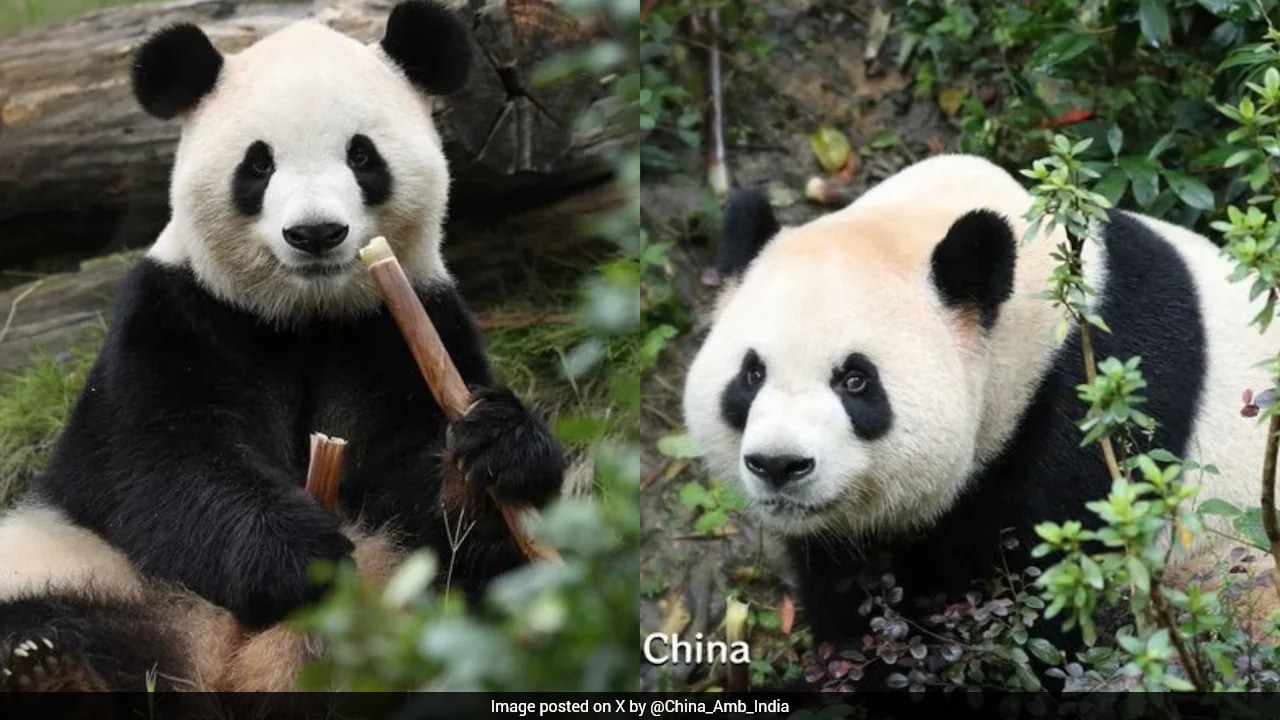
Two new giant pandas, Ping Ping and Fu Shuang, arrived at Hartsfield-Jackson Atlanta International Airport aboard a dedicated cargo aircraft, marking a fresh chapter in bilateral zoological exchanges between Washington and Beijing. The six-year-old bears, originating from the Chengdu Research Base of Giant Panda Breeding in Sichuan Province, entered a mandatory quarantine period before making their public debut at Zoo Atlanta. Their arrival fills a void left when the facility's previous resident giant pandas were returned to China in 2024, ending a brief hiatus of the species in Georgia.
Under the terms of the new long-term agreement brokered with the China Wildlife Conservation Association (CWCA), Ping Ping and Fu Shuang will reside in Atlanta for a decade. This transaction represents a continuation of decades-old soft-power mechanics often characterized as panda diplomacy. Every giant panda on earth remains state property of China. Zoos outside of China do not purchase these animals; rather, they secure them through high-cost, multi-year cooperative research loans that require substantial annual fees. These funds flow directly back into domestic conservation infrastructure, habitat corridor construction, and anti-poaching initiatives across China's mountainous reserves.
The financial realities of hosting these rare mammals are severe. Facilities must shell out millions of dollars in baseline rental fees, construct specialized climate-controlled habitats capable of handling extreme seasonal shifts, and maintain a constant, expensive supply chain of fresh bamboo. For Zoo Atlanta, securing the pair required significant capital investment into the Arthur M. Blank Panda Grove, featuring expanded outdoor yards, specialized climbing apparatuses, and modern indoor day rooms designed to manage animal welfare during humid southern summers.
Critics of the rental model often point to the heavy corporate and institutional burden required to maintain these programs, noting that ticket sales spikes rarely cover the total lifetime cost of care, specialized veterinary staffing, and international transport logistics. Yet, the pulling power of the species remains unmatched. Attendance numbers historically surge whenever a facility introduces new pandas, driving auxiliary revenue through merchandise, food service, and memberships that stabilize zoo budgets for years following an arrival.
Beyond the ledger books, the scientific utility of these arrangements has evolved. Modern cooperative agreements place heavy emphasis on behavioral studies, veterinary medicine exchanges, and reproductive biology. Because giant pandas possess a notoriously narrow reproductive window and face unique physiological hurdles in captivity, shared data between American veterinary teams and their counterparts in Chengdu helps refine artificial insemination techniques and neonatal care protocols.
The successful transport of Ping Ping and Fu Shuang via a chartered Boeing 777 freighter—widely dubbed the Panda Express—underscores the complex logistical choreography required to move endangered wildlife across international boundaries. Accompanied by specialized handlers and packed with tons of fresh bamboo shoots for the flight, the animals navigated customs, biosecurity clearances, and veterinary inspections before stepping onto American soil.
As zoo visitors queue up to catch their first glimpse of the six-year-old twins, the broader political and economic machinery behind their enclosure hums quietly in the background. The pandas remain ambassadors of a carefully managed international relationship, tethering local conservation education in Georgia to thousands of square miles of protected bamboo forest halfway across the world.