Hunger has a very specific sound. It is the quiet panic of a parent standing in a grocery aisle, calculating whether eggs or rent will fit into an empty budget. Right now, millions of people across the country are hearing that sound loud and clear.
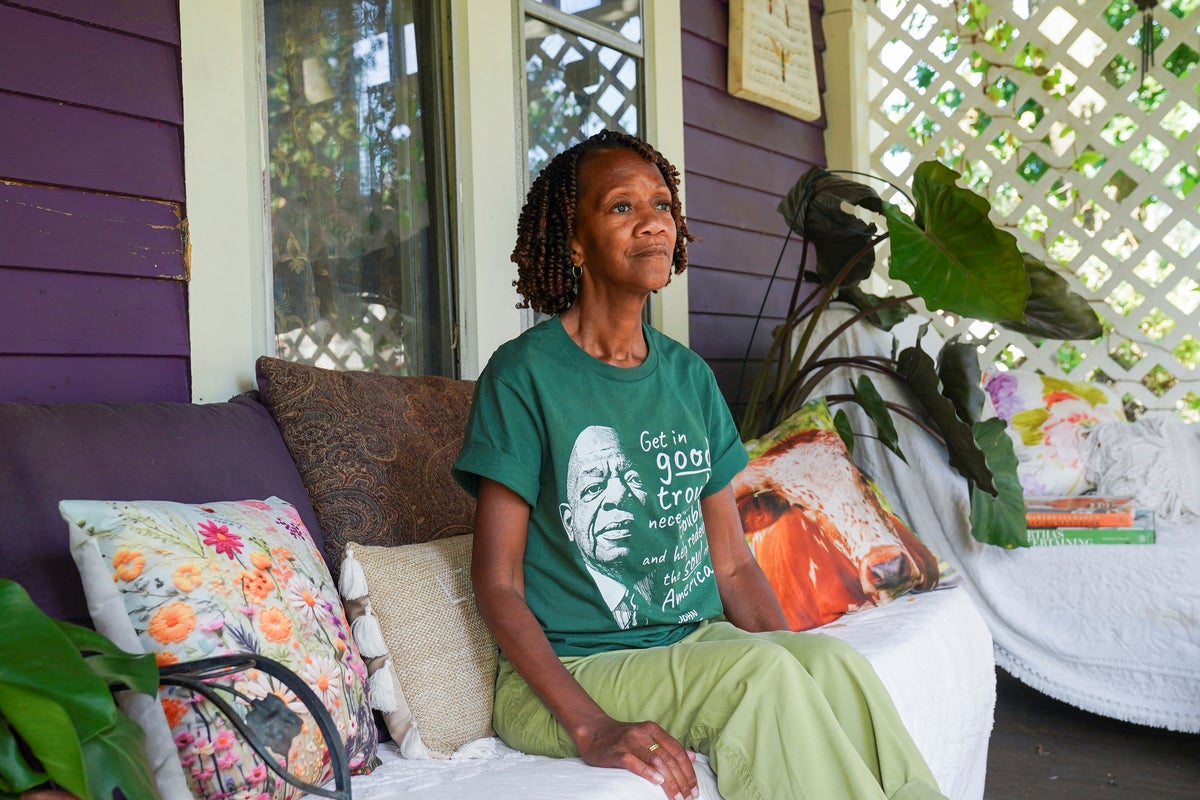
Liz Wills-O'Gilvie decided she couldn't stay quiet about it anymore. The 63-year-old anti-hunger advocate from Massachusetts went fifteen days without eating a single bite of solid food to protest punishing reductions to the Supplemental Nutrition Assistance Program.
She is surviving solely on water, electrolytes, and glucose pills. Her goal is simple yet staggering: force Governor Maura Healey to inject emergency state funding into a collapsing local food stamp infrastructure.
The Anatomy Of A Policy Crisis
When federal policy shifts, real human collateral piles up fast. Over 5.3 million people have lost SNAP benefits nationwide following sweeping legislative changes. Massachusetts alone has watched enrollment drop by nearly 182,000 residents, which includes close to 65,000 children.
State agencies are buckling under the pressure. Massachusetts' Department of Transitional Assistance has seen a steep surge in daily calls, while nearly half of all callers fail to connect with an overwhelmed caseworker. People are losing critical aid simply because they cannot get through the phone lines.
Wills-O'Gilvie knows these numbers intimately. She directs the Springfield Food Policy Council and leads Gardening the Community, a local food justice organization. Last year, Governor Healey appointed her to the state Anti-Hunger Task Force. Sitting on a task force felt too passive when constituents were actively starving. So, she stopped eating.
Why Extreme Protests Catch Attention
Fasting as a political tool carries a long, heavy history. It forces a visual confrontation with a crisis that bureaucrats prefer to keep buried in spreadsheets.
Wills-O'Gilvie lives with lupus and hypoglycemia. Fifteeen days into a water-and-electrolyte fast, her physical body is paying a heavy toll. She can no longer drive. Yet, she continues meeting with state legislators directly from her home, determined to push the needle before the upcoming midterm elections.
Critics often dismiss radical demonstrations as dramatic theater. But when administrative systems fail to answer phone lines or process applications correctly, traditional advocacy hits a brick wall. Local food banks are drowning in demand, grocery prices remain stubbornly high, and federal penalties hang over state agencies like a guillotine.
What Actually Needs To Happen Now
If you want to understand how food security policy breaks down at street level, look at the bureaucratic bottleneck. States are rushing to tighten application processes to dodge federal penalties tied to calculation errors. In doing so, they are locking vulnerable families out of the system entirely.
Fixing this requires immediate intervention, not empty political promises.
- Emergency Funding Allocation: State governors need to bypass regular budgetary delays and disburse direct emergency grants to local food pantries and municipal distribution networks.
- Caseworker Surge Capacity: State agencies must immediately hire temporary intake staff to clear out skyrocketing phone queues and application backlogs.
- Direct Community Pressure: Contact your local state representatives and demand to know how they plan to bridge the gap left by federal benefit contractions.
Wills-O'Gilvie intends to keep fasting indefinitely. She is putting her own survival on the line because the alternative—watching families slip quietly into severe malnutrition—is completely unacceptable.
Check your local representatives' voting records on safety net funding today. Pick up the phone and demand accountability before another family loses their lifeline.


