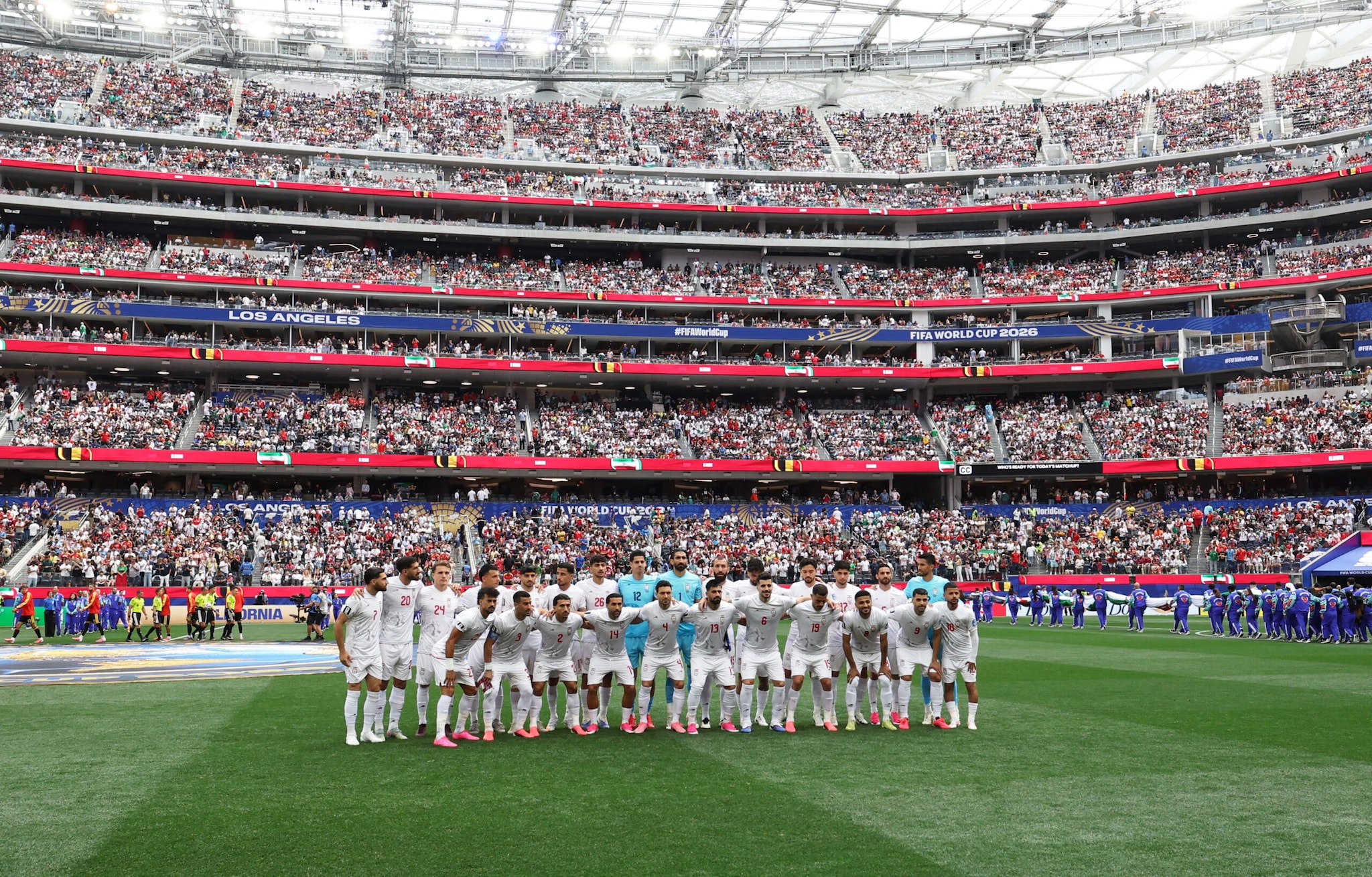
Senegal finally had their moment in the European sun. After decades of waiting for continental glory, the Lions of Teranga didn't just win the Africa Cup of Nations (AFCON); they took the celebration to the heart of the former colonial power. Hosting a "home" friendly against Bolivia at the Stade de France in Saint-Denis was a calculated, emotional, and undeniably loud statement of African footballing supremacy. But as the drums beat and Sadio Mané tucked away his penalty, the atmosphere wasn't just about sport. It was about identity, a massive diaspora, and a logistical headache that left French authorities scrambling.
You have to understand the scale of this. This wasn't a standard international friendly. It was a coronation. Thousands of Senegalese fans living in France and across Europe descended on Paris. They turned a stadium usually reserved for the Les Bleus into a sea of green, yellow, and red. It felt like Dakar moved north for 90 minutes.
Why the Stade de France was the only choice
Critics asked why Senegal would play a South American opponent in Paris rather than at the new Diamniadio Olympic Stadium back home. The answer is simple. Money and the people. The Senegalese diaspora in France is one of the most vibrant and football-obsessed communities in the world. For many, this was their first chance to see the AFCON trophy in person.
Aliou Cissé, the man who transitioned from the heartbreak of 2002 to the triumph of 2022, knew exactly what he was doing. He wanted his players, most of whom play in top European leagues, to feel that local support without the grueling travel back to West Africa mid-season. It was a victory lap designed for the fans who cheer from afar.
The match itself ended 2-0. Boulaye Dia opened the scoring early with a clinical finish. Then, the man everyone came to see, Sadio Mané, doubled the lead from the spot. Bolivia offered little resistance. They were the background actors in a play dedicated to Senegalese joy. Yet, the 2-0 scoreline is the least interesting part of the story.
The controversy French media won't stop talking about
Whenever a large African crowd gathers in a French stadium, the local media shifts its lens. Instead of focusing on the tactical brilliance of Idrissa Gana Gueye or the defensive wall of Kalidou Koulibaly, the narrative often turns to "security concerns."
There were reports of minor pitch invasions. A few fans, overwhelmed by the sight of their heroes, hopped the barriers. In the grand scheme of global football, it was harmless. But in the context of French policing—especially following the disastrous Champions League final at the same venue—the reaction was panicked.
The "controversy" wasn't about violence. It was about a perceived lack of control. French authorities are notoriously rigid. They struggled to adapt to the festive, rhythmic, and chaotic energy of the Senegalese supporters. While the fans saw a party, the police saw a protocol breach. It highlights a massive cultural disconnect that still exists in the heart of Europe. If this were a local club match with similar pitch entries, it might be called "passion." Here, it was labeled a "security failure."
Tactical evolution under Aliou Cissé
Let’s talk about the football because Cissé has built a machine. For years, Senegal was the team that had the stars but lacked the soul. They’d show up with Premier League talent and crumble under pressure. Not anymore.
- Defensive Rigidity: They don't leak goals. Koulibaly has organized a backline that treats every friendly like a World Cup final.
- Transition Speed: The way they move from a recovered ball in midfield to a Mané sprint is terrifying for defenders.
- Physical Dominance: They simply outmuscle teams. Bolivia looked physically intimidated from the first whistle.
Cissé has instilled a discipline that was previously missing. He’s been in the job since 2015. In a world where international managers are fired after three bad games, that stability is Senegal's secret weapon. He knows these players. He knows their families. He knows how to handle the pressure of a nation that expects nothing less than a trophy every time they step on the grass.
Beyond the pitch and into the stands
If you weren't in Saint-Denis that night, you missed a masterclass in atmosphere. The Sabar drums didn't stop for a single second. It wasn't the sterile, corporate atmosphere you get at most modern European matches. It was visceral.
This match served as a reminder that the African game is thriving, even when played on European soil. The quality of play from the Lions of Teranga is now indistinguishable from top-tier European nations. They aren't "scrappy underdogs" anymore. They are a powerhouse. The controversy regarding the fans is really just a symptom of a European system that doesn't know how to host African joy without trying to police it.
What this means for the future of African friendlies
Expect more of this. Senegal showed that you can sell out a major European stadium for a friendly against a non-powerhouse like Bolivia. Other African nations like Morocco and Nigeria are looking at this model. It brings the team to the fans, generates massive revenue in Euros, and provides a high-profile stage for sponsors.
The logistical hiccups at the Stade de France will likely be used as an excuse to tighten security or increase ticket prices in the future. That’s a shame. The raw energy is what made the night special. If you sanitize it, you lose the essence of what Senegal is bringing to the world stage.
To truly understand the trajectory of this team, keep an eye on their squad depth. While the veterans get the headlines, the integration of younger talents from academies like Génération Foot is what will keep them at the top. They aren't just a golden generation; they've built a golden system.
Watch the full highlights of the Bolivia match to see Dia's strike. It’s a textbook example of Cissé’s high-press philosophy. Pay close attention to the positioning of the full-backs during the buildup. That’s where the game was actually won. Stop looking at the headlines about "crowd trouble" and start looking at the tactical masterclass on the pitch.