The diesel generator has a heartbeat. It is a violent, coughing rhythm that shakes the red dirt of East Africa, a mechanical beast that demands to be fed. For decades, if you wanted to run a shop, power a clinic, or keep a single lightbulb burning after sundown in rural Kenya, you paid tribute to this beast. You bought the fuel. You breathed the black smoke. You prayed the belts wouldn't snap before market day.
When the beast died, the dark rushed back in. Total. Heavy.
For millions of people, this was not an inconvenience. It was the baseline of existence. Traditional power grids—massive, centralized coal plants and sprawling networks of copper wire—were always promised, always delayed, and always too expensive to reach the edges. The consensus among global financiers was simple: building infrastructure here required the same blueprint used in London or New York. First come the mega-dams and the fossil-fuel plants. Then comes the prosperity.
They were wrong.
A quiet coup is unfolding across the African continent. The old blueprint is being torn up, not by a sudden burst of environmental altruism, but by the relentless, cold math of economics and the desperate need for something that just works. Renewable energy is no longer a luxury alternative or an experimental pilot project funded by Western charities. It is actively outcompeting, outbuilding, and overtaking traditional fossil-fuel projects.
The continent is leapfrogging the grid entirely.
The Fragility of the Old Giants
To understand the scale of this shift, consider a hypothetical entrepreneur named Joseph. Joseph runs a small cold-storage facility near Karatina. In the old dynamic, his business was at the mercy of a centralized grid that relied on aging hydro-dams hundreds of kilometers away. When a drought hit, the water levels dropped, the turbines slowed, and the power vanished.
To survive, Joseph had to buy a diesel generator. Suddenly, he wasn’t just a food-storage provider; he was a logistics manager speculating on the volatile price of imported oil.
This is the hidden tax of traditional power. The mega-projects—the massive coal facilities and grand gas pipelines—look impressive on a state map. They make for great ribbon-cutting ceremonies. But they possess a fatal flaw: fragility. They require thousands of miles of transmission lines that lose energy every kilometer they travel. They take a decade to build and require billions of dollars in upfront capital that cash-strapped governments must borrow from foreign banks.
By the time the wires finally reach a village, the cost per kilowatt-hour is astronomical.
Then came the tipping point. Over the last decade, the cost of solar photovoltaic modules plummeted by nearly 90%. Wind turbine efficiency soared. Suddenly, the economic equation flipped. You no longer needed a billion-dollar sovereign loan to build a power plant. You needed a few square meters of sunshine and a lithium battery.
The numbers backing this up are stark. The International Renewable Energy Agency notes that Africa possesses some of the highest solar potential on earth, yet historically accounted for a fraction of global investment. That dam has broken. In recent years, investment in utility-scale renewable projects across South Africa, Egypt, Kenya, and Morocco has begun outstripping new investments in coal and gas.
But the real disruption isn’t happening at the utility scale. It is happening at the roots.
The Power of the Fragmented Grid
Think of traditional power like an old mainframe computer: centralized, rigid, and prone to total failure if one core component breaks. Renewable energy in Africa is behaving like the internet: decentralized, modular, and deeply resilient.
Instead of waiting for the government to extend the national grid, communities and private enterprises are building their own micro-grids. These are self-contained ecosystems—a cluster of solar panels, a bank of smart batteries, and a localized distribution network that powers fifty or a hundred homes and businesses.
Let us look at how this functions in practice. A private developer installs a solar mini-grid in a agricultural hub. They don’t ask the residents for a massive connection fee. Instead, they use a pay-as-you-go model enabled by mobile money platforms like M-Pesa. A farmer pays a few cents via their phone to unlock electricity for the next twenty-four hours.
It is micro-infrastructure. It matches the cash flow of the community.
+--------------------------------------------------------+
|               THE DECENTRALIZED ENERGY LOOP           |
+--------------------------------------------------------+
|                                                        |
|   [ Solar Arrays / Local Wind ]                        |
|                 │                                      |
|                 ▼                                      |
|   [ Smart Battery Storage ]                            |
|                 │                                      |
|                 ▼                                      |
|   [ Pay-As-You-Go Mobile Wallet ] ──► [ Local Shops ]  |
|                 │                 ──► [ Cold Storage ] |
|                 ▼                                      |
|   [ Excess Power Reinvested ] ◄───────┘                |
|                                                        |
+--------------------------------------------------------+
This model eliminates the massive risk that haunts traditional power projects. If a state-owned coal plant experiences a technical failure, an entire city goes dark. If one solar panel in a mini-grid cracks, the rest of the array keeps breathing. The risk is distributed. The capital is deployed in increments, growing only when the local economy grows.
International capital has noticed. Venture capital and private equity firms that once choked at the thought of financing African infrastructure are now pouring funds into commercial and industrial solar providers. They aren't doing it to save the planet. They are doing it because the returns are predictable. A factory running on solar panels in Nigeria doesn’t have to shut down when the national grid collapses or when diesel prices double. Stability is profitable.
The Human Subtraction
It is easy to get lost in the macroeconomics of energy transitions, to speak of gigawatts and capital expenditure. But the true weight of this shift is measured in what is removed from daily life.
It is the absence of the toxic hum of the generator outside a bedroom window. It is the removal of the kerosene lamp from a child's study desk, eliminating the smoke that stings the eyes and blackens the lungs. It is the end of the long, expensive trek to the nearest town just to charge a mobile phone.
When a community transitions from darkness or diesel to reliable clean energy, the economic velocity changes overnight.
Consider what happens next: The clinic can suddenly store vaccines in a reliable refrigerator. The school can keep its computer lab open past four in the afternoon. The carpenter can replace his hand saw with an electric one, tripling his output. The change is non-linear. One watt of electricity delivered to a rural community creates a multiplier effect that cannot be captured on a standard corporate balance sheet.
This is why the competitor articles missing the mark are so frustrating. They treat this as a race between two technologies—coal versus solar, oil versus wind. They analyze it as if Africa is a passive theater where global trends just happen to land.
They miss the agency. This transition is being driven from within, by necessity, by operators who cannot afford to wait for the twentieth-century model to fix itself.
The Complexity We Must Face
It would be dishonest to pretend this path is smooth or devoid of peril. The rise of renewables brings its own set of structural headaches that keep engineers and policymakers awake at night.
The sun does not shine twenty-four hours a day. The wind is fickle. To replace a baseload coal plant, you need massive amounts of storage. While battery costs have dropped, the scale of storage required to run heavy industrial manufacturing across emerging megacities like Lagos or Nairobi is still immensely expensive.
There is also the geopolitical reality of supply chains. The components that make up this clean revolution—the lithium, the cobalt, the rare earth minerals—often originate in African soil, only to be shipped away, processed in China, and sold back to the continent as finished goods. The vulnerability hasn't disappeared; it has simply shifted its shape.
We must acknowledge these uncertainties. The transition will be messy. It will involve hybrid systems where solar works alongside natural gas to handle peak demands. It will require regulatory frameworks that state monopolies will fight tooth and nail to prevent, terrified of losing their grip on power distribution.
But the momentum is irreversible. You cannot unlearn the efficiency of a decentralized system once you have seen it operate.
The New Horizon
The red dirt road outside Karatina is quiet now. The mechanical coughing of Joseph’s old diesel beast has been silenced, replaced by the faint, nearly imperceptible hum of an inverter housing.
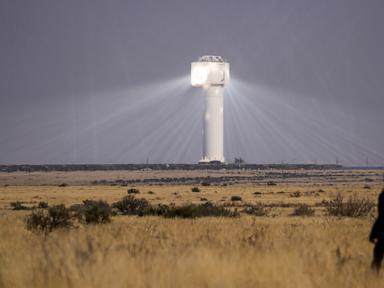
On the roof of his facility, the dark silicon panels tilt toward the sky, drinking in the afternoon glare. They do not require a shipping manifest for fuel. They do not care about international oil embargoes or the fluctuating value of the local currency against the dollar.
Below them, the lights stay on. The compressors run. The food stays cold.
The world spent decades wondering when Africa would finally catch up to the industrial infrastructure of the West. We looked for the chimneys, the massive grid lines, the monumental concrete dams. We expected the future to look exactly like the past.
But the future arrived looking entirely different. It arrived piecemeal, bolted to the roofs of market stalls, humming quietly in the brush, turning sunlight into sovereignty. The old giants of the energy sector are still standing, but their foundations are eroding. The continent isn't waiting to be connected to the old world. It is busy building the next one.