The notification arrives at 9:14 PM on a Tuesday. It is always a Tuesday. You are sitting on the couch, the blue light from your phone cutting through the dimness of the living room, washing over your face. The headline catches your eye before you can swipe it away. A website has appeared online. It claims to hold a mirror up to the province, displaying a massive database of names, addresses, and political affiliations. Your neighbors. Your coworkers. You.
A cold spike of adrenaline hits your chest. In the modern world, our digital identity is a second skin. When someone breaches it, it feels less like a technical glitch and more like a home invasion.
For thousands of Albertans, that sudden panic was entirely real. A portal had surfaced on the fringes of the internet, masquerading as an official clearinghouse of democratic data. It looked legitimate. It had the right logos, the right bureaucratic fonts, and a search bar that practically dared you to type in your own name. People did. They found entries. They found details that felt close enough to the truth to trigger an immediate, visceral sense of vulnerability.
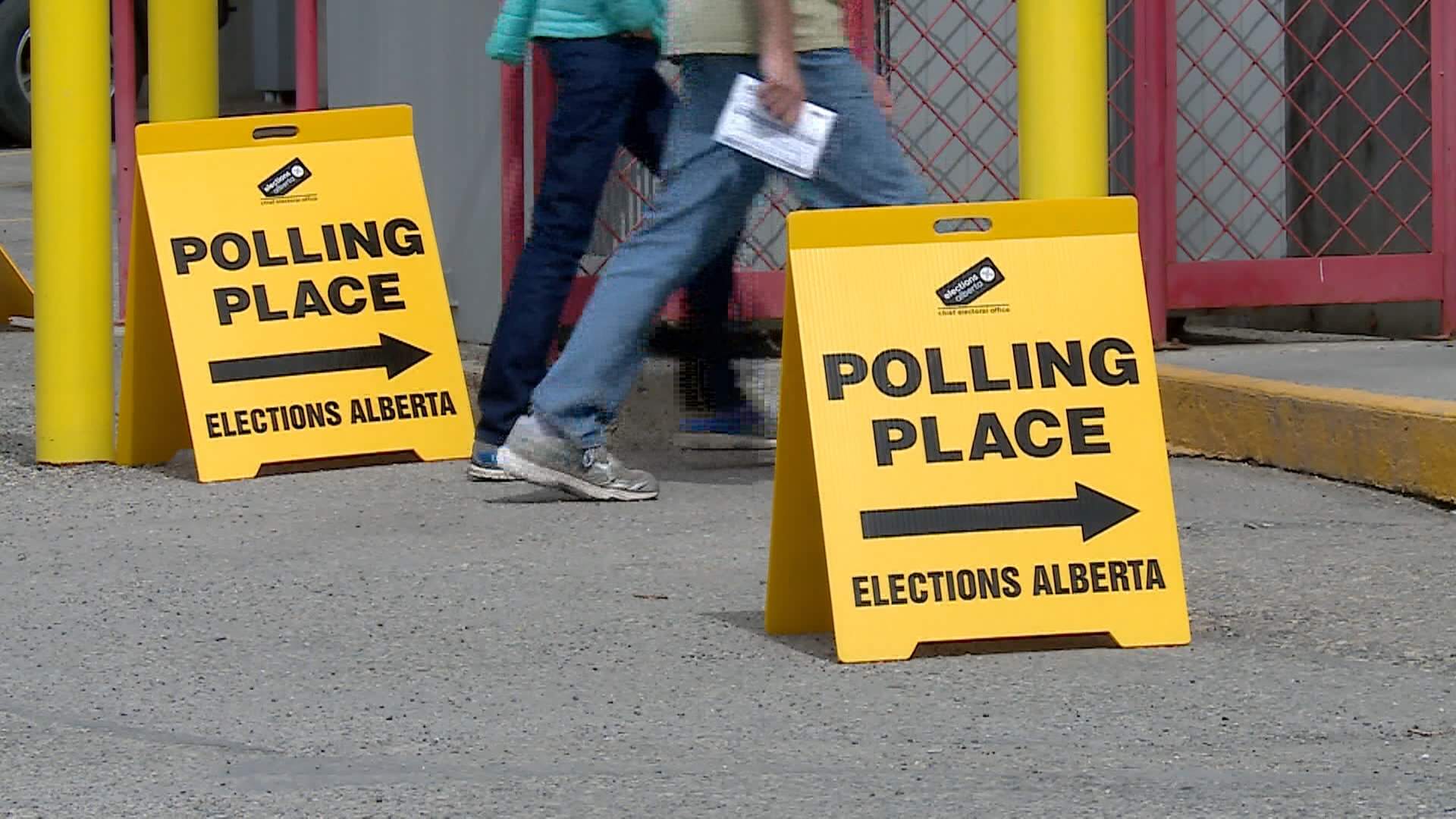
Then came the official statement from Elections Alberta. The data was fake. All of it. Every single line of text, every supposed voter registration record, every terrifyingly specific detail was nothing more than a ghost generated by a machine. It was a digital phantom designed to look like a weapon.
We breathed a collective sigh of relief. But the relief was hollow. Because the true damage of the spoof website had nothing to do with stolen data. The real wound was inflicted on something far more fragile: our ability to believe what we see.
The Fiction of the Flawless Lie
Imagine a hypothetical citizen. Let us call her Sarah. Sarah lives in a quiet suburb of Calgary, pays her taxes on time, and votes in every election because her grandfather taught her that democracy is a muscle that atrophies if you do not use it. She is not a cybersecurity expert. She does not know how to read server logs or verify cryptographic signatures.
When Sarah hears about a website that supposedly leaks her voting intentions, she does not think about data packets. She thinks about her safety. She thinks about the polarized arguments happening at her local community center. She wonders if her choices have made her a target.
This is the psychological leverage of the modern hoax. The creator of the spoof website did not need to break into the secure servers of Elections Alberta. They did not need to bypass firewalls or crack complex encryption algorithms. True hacking is difficult. It requires immense technical skill, time, and resources.
Fabrication, however, is cheap.
With a few lines of code and a basic understanding of web design, anyone can build a digital stage set. You pull a list of common names, randomize some addresses, throw in some fictitious political markers, and publish it under a domain name that sounds vaguely authoritative. To the naked eye, a database filled with complete fabrications looks identical to a database filled with stolen truths.
The illusion works because we have been conditioned to expect the worst. We read daily headlines about massive corporate data breaches, about millions of credit card numbers floating around the dark web, about state-sponsored actors targeting infrastructure. We are primed to believe we have been compromised. The architects of this specific spoof did not exploit a flaw in Elections Alberta’s security systems. They exploited a flaw in our collective peace of mind.
The Invisible Weight of the Verification Burden
When the authorities confirmed the website was a total fabrication, the news cycle moved on. The story was categorized as a blip, a minor nuisance, a prank that failed to do any actual harm.
But that interpretation misses the point entirely.
Consider what happens next time. Consider the mental energy required to navigate a world where every piece of official information must be cross-referenced, double-checked, and viewed with deep skepticism. When a governing body has to spend its time and resources convincing the public that a website is not real, the bad actors have already won a partial victory. They have stolen time. They have stolen focus.
The architecture of trust is built slowly over generations. It relies on shared agreements about reality. When those agreements are chipped away by digital counterfeits, the cost is borne by ordinary people.
We now live with a persistent tax on our cognitive attention. Every email from a utility company, every text message from a delivery service, and every political website must be scrutinized like a suspicious package left on a doorstep. We look for typos. We look for strange URL extensions. We look for any sign that the digital entity we are interacting with is trying to deceive us.
This constant vigilance is exhausting. It turns the simple act of participating in civic life into a minefield of potential deception. For someone like Sarah, the anxiety does not vanish just because Elections Alberta issued a press release. The next time she goes to cast a ballot, a tiny voice in the back of her mind will ask whether her information is truly safe, or if it is just waiting to be used as raw material for the next digital illusion.
The Architecture of the Phantom Threat
The strategy behind these fabrications relies on a peculiar quirk of human psychology. We are hardwired to remember the shock of a threat far longer than we remember the comfort of its debunking.
Psychologists call it the continued influence effect. Even when a piece of information is explicitly proven to be false, the emotional residue of the initial lie clings to our memory. The brain is efficient; it remembers the fear of the breach, but it often forgets the dry, bureaucratic correction that followed days later.
The spoof website was not designed to steal identities. It was designed to manufacture distrust.
If the public can be convinced that the system is leaky, insecure, and compromised, then the integrity of the entire democratic process begins to wobble. You do not need to alter a single ballot to disrupt an election. You only need to make people believe the ballots could be altered. You only need to create enough smoke to convince everyone there is a fire.
The fake database was a test run of this psychological sabotage. It weaponized our own data anxieties against us, using our fear of surveillance and exposure to create a spectacle out of nothing. It was a phantom threat, but the fear it generated was entirely tangible.
The Real Defense Is Internal
We often look to technology to solve the problems that technology creates. We demand better firewalls, stricter regulations, more sophisticated detection algorithms. We want a shield made of code to protect us from the dangers born of code.
But a firewall cannot protect you from a lie that you choose to believe.
The only true defense against the weaponization of fabricated data is a fundamental shift in how we consume digital information. We have to learn to sit with the discomfort of uncertainty. When a shocking headline or a terrifying database appears on our screens, our first instinct must change from panic to patience.
The creators of the spoof website relied on speed. They relied on the fact that an alarmed citizen would share the link, post screenshots on social media, and spread the panic before anyone had time to ask if the data was real. They used our interconnectedness as an accelerant for their fiction.
Slowing down is an act of resistance. Refusing to react to the initial shockwave of an unverified report is how we starve these hoaxes of the attention they require to survive. It is not an easy practice. It requires us to resist the urge to know everything instantly, to accept that sometimes the truth takes time to catch up with the lie.
The screen on your lap or in your hand is an incredible window into human knowledge, but it is also a highly efficient distorting mirror. It can take a handful of fabricated names, dress them up in the livery of an official institution, and make a quiet Tuesday night feel like the end of civic safety.
The data in Alberta was fake. The website was a ghost. But the lesson it left behind is entirely real, written in the quiet unease of every citizen who looks at their screen and wonders what is real, what is fiction, and who is holding the mirror.