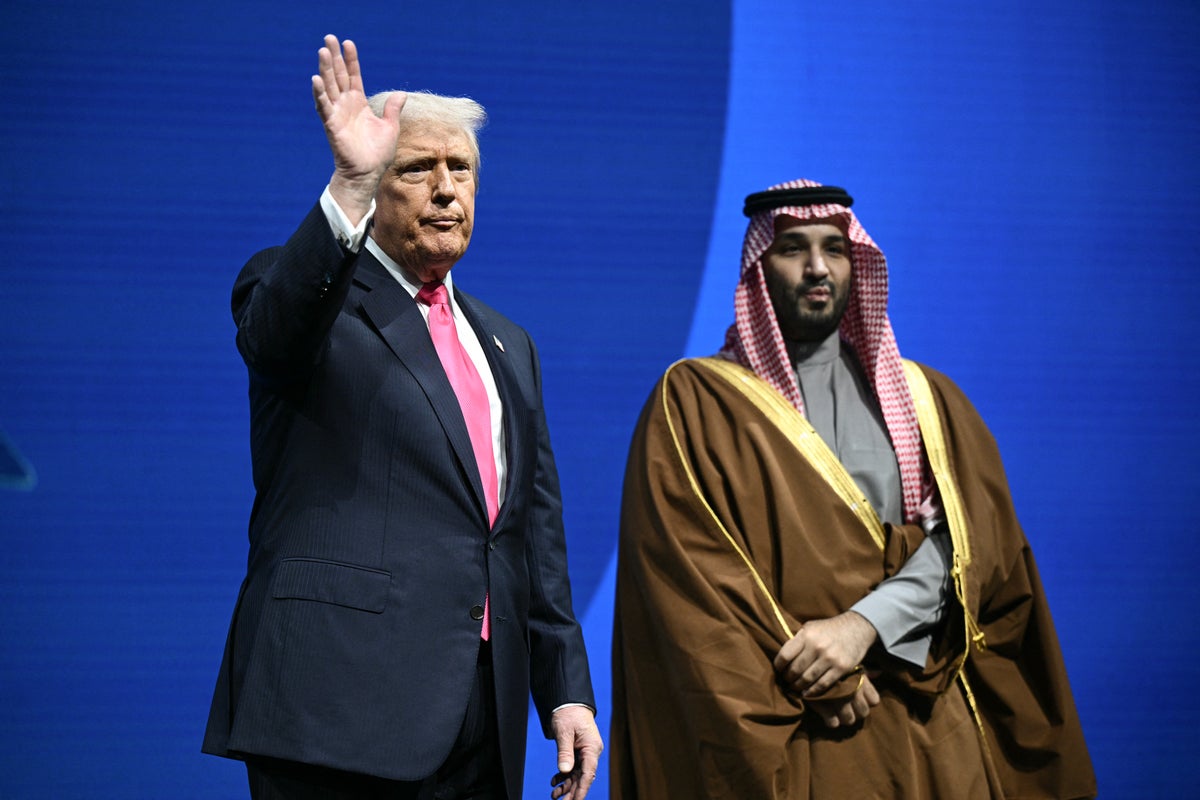
We've spent decades trying to keep the Middle East from going nuclear. Now, Washington just upended the rulebook.
When the Trump administration announced a landmark civil nuclear agreement with Saudi Arabia, it wasn't just a routine energy pact. It was a massive gamble. For years, U.S. policy held a strict line known as the "gold standard." If you wanted American nuclear technology, you had to promise never to enrich uranium or reprocess plutonium domestically. The United Arab Emirates accepted those terms back in 2009. Saudi Arabia flatly refused.
Now, the rules are shifting. And the fallout could trigger a dangerous scramble for atomic weapons across the entire region.
The Problem With the New Safeguards
You might wonder why a civilian nuclear plant causes so much panic. After all, countries have a right to peaceful power generation under the Nuclear Non-Proliferation Treaty. But peaceful energy infrastructure acts as a dual-use stepping stone. Master the front end of the nuclear fuel cycle, and you are only a short technical jump away from weapons-grade material.
The terms of this new U.S.-Saudi agreement remain murky, but reports indicate it lacks the rigorous oversight long demanded by international watchdogs. Saudi Arabia has historically avoided signing the International Atomic Energy Agency's Additional Protocol, which allows for intrusive, short-notice inspections. Without that level of transparency, monitoring compliance becomes an impossible guessing game.
Crown Prince Mohammed bin Salman hasn't exactly hidden his ambitions either. He stated bluntly years ago that if Iran acquired a nuclear weapon, Riyadh would match it immediately. With Iran pushing forward its own nuclear capabilities, the Saudi leadership views a domestic enrichment program as a non-negotiable hedging strategy.
The Precedent Effect
If you break a rule for one major partner, everyone else wants an exemption. That's basic human nature, and it applies doubly to geopolitics.
For decades, the United States used its non-proliferation standards to block the spread of sensitive fuel-cycle tech. By softening that stance for Riyadh, Washington has opened Pandora's box. Egypt, Turkey, and other regional players are watching closely. If Saudi Arabia gets a pass on domestic enrichment, why shouldn't they?
Furthermore, the regional architecture is already fracturing. Riyadh previously formalized a defense pact with Pakistan—a nuclear-armed state outside the NPT. Layer a domestic civil nuclear program on top of that defense relationship, and you create a complex web of nuclear hedging that stretches far beyond traditional American control.
President Trump also threw a massive wrench into the execution of the deal by linking it directly to Saudi normalization of relations with Israel. Given the current political climate, Riyadh cannot easily recognize Israel without a concrete pathway to a Palestinian state. If the political deal collapses, the technical framework of the nuclear agreement itself still sets a dangerous precedent that other nations will cite for years.
Managing the Fallout
Supporters of the agreement argue that a pragmatic approach is better than a rigid one. If the United States refuses to deal, Saudi Arabia will simply turn to Russia or China. By stepping in, Washington locks the kingdom into decades of American technological dependence, workforce training, and regulatory oversight. Proponents claim that keeping a close eye on them beats driving them into Beijing's or Moscow's arms.
Maybe so. But risk management isn't elimination. If oversight mechanisms leak or enforcement falters, the technical expertise gained today becomes the weapons program of tomorrow.
Keep a close eye on how Congress handles the review process for this agreement. The battle over its terms will dictate whether the global non-proliferation order holds or officially fractures.