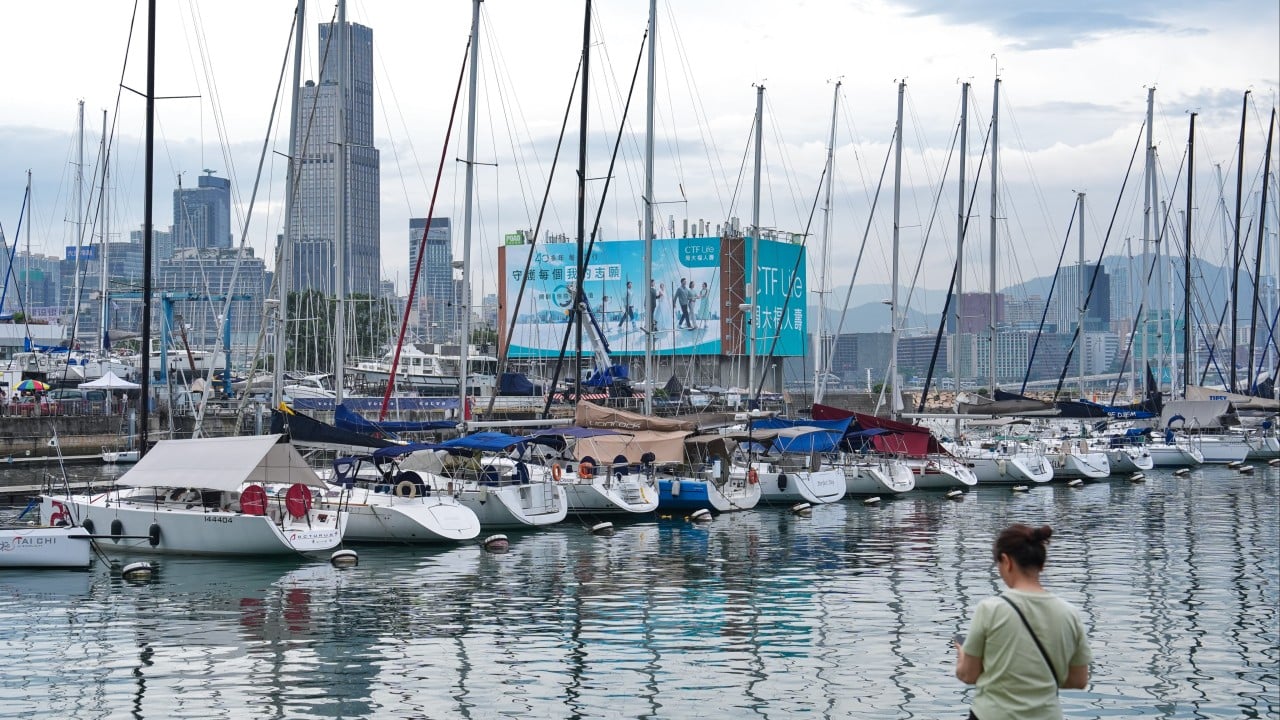
Sailing across the boundary between Guangdong and Hong Kong used to require navigating a sea of red tape. You needed permits, inspections, and endless patience. That changed when local authorities officially opened local waters to mainland-registered vessels under the landmark southbound yacht scheme. Five pilot yachts made the historic maiden voyage into Hong Kong waters, marking a massive shift for the Greater Bay Area tourism and leisure marine economy.
If you care about cross-border integration or luxury tourism in southern China, this policy shift matters. Let's look at how the system actually works, what the first wave of travelers experienced, and why this policy is shaking up regional travel. Meanwhile, you can explore similar developments here: The Economics of Resort Liability And Vector Control Failure.
How the Southbound Yacht Scheme Works in Practice
The framework is designed to mirror successful land-based transit models while accounting for maritime realities. Under the current rules, mainland yacht owners who meet specific criteria can sail directly into designated Hong Kong zones.
Authorities set up 115 designated berths spread across five specific anchorage zones, including popular spots like Repulse Bay and Tai Tam Bay. But it's not a free-for-all on the water. The Marine Department enforces strict navigational safety protocols. Every participating vessel relies on integrated tracking features, including electronic geofencing. If a Guangdong-registered yacht drifts too close to shallow waters or restricted zones, automated alerts trigger instantly to warn the crew. To explore the complete picture, check out the excellent report by Lonely Planet.
Around 300 mainland yacht masters have already completed the specialized training, examinations, and certification processes required to navigate Hong Kong's notoriously busy waters. That requirement alone shows that authorities aren't just opening the floodgates; they're prioritizing safety in a harbor crowded with commercial traffic, ferries, and local junk boats.
The Reality Check on Infrastructure and Facilities
Every new policy has growing pains, and this marine scheme is no exception. While the 115 designated berths provide a legal place to drop anchor, reality on the ground—or rather, on the water—is slightly more complex.
Several of the approved anchorage zones currently lack basic shore-side hookups like fresh water and electricity supply. For owners accustomed to fully serviced marinas with high-end amenities, dropping anchor in these designated bays feels more like roughing it at sea.
Waste management is another major focal point. Environmental rules are strict. Littering or improper discharge carries heavy fixed penalties, and serious violations lead straight to prosecution. Even worse for rule-breakers, if an offender flees back across the boundary, Hong Kong authorities coordinate directly with mainland enforcement agencies to pursue follow-up actions. Cross-border accountability is real here. You can't just sail away from the consequences.
Why Two Way Navigation Reshapes the Greater Bay Area
For years, the marine conversation in the region was heavily lopsided. The broader push to develop a thriving "yacht economy" across the Greater Bay Area required mutual access to truly succeed.
When Beijing approved the individual travel scheme for yachts allowing Hong Kong owners to sail northward to designated mainland ports, the southbound counterpart was always going to be the ultimate test. True economic integration requires movement in both directions. Now that mainland vessels can legally cruise down to Victoria Harbour and its surrounding bays, marine service providers, ship chandlers, and local hospitality businesses are looking at an entirely new customer base.
Early feedback from the inaugural travelers suggests the journey is smoother than expected—arguably less stressful than dealing with the highway congestion often seen under land-based vehicle schemes. Cruising past the skyline offers a completely different perspective on regional connectivity.
Expect to see marine infrastructure gradually catch up to the policy. As more mainland skippers clear the certification hurdles and test the waters, private marinas around Hong Kong will likely adapt to capture this high-spending demographic. Keep an eye on how local operators upgrade their utility services in the anchorage zones over the coming months. The transformation of southern China's recreational coastline has officially begun.