The monsoon does not negotiate. Year after year, the skies over the Himalayas open up, dumping catastrophic volumes of water onto fragile, steep terrain. Yet, the human cost is treated as an act of God rather than a failure of governance. When entire households vanish into swollen rivers, leaving survivors like one grieving husband in Nepal searching for bodies that will never be recovered, the tragedy is categorized under natural disasters. It is time to drop that excuse. What unfolds across the valleys and riverbanks of South Asia during the rainy season is an avoidable structural disaster fueled by unchecked urbanization, delayed early-warning systems, and institutional apathy.
Category: news
The Anatomy of a Monsoonal Collapse
Heavy rainfall is a predictable meteorological event. Every meteorological department in the region tracks depressions in the Bay of Bengal, monitors cloud bursts, and issues river basin alerts weeks in advance. The breakdown happens between the forecast and the vulnerable community living on the floodplains.
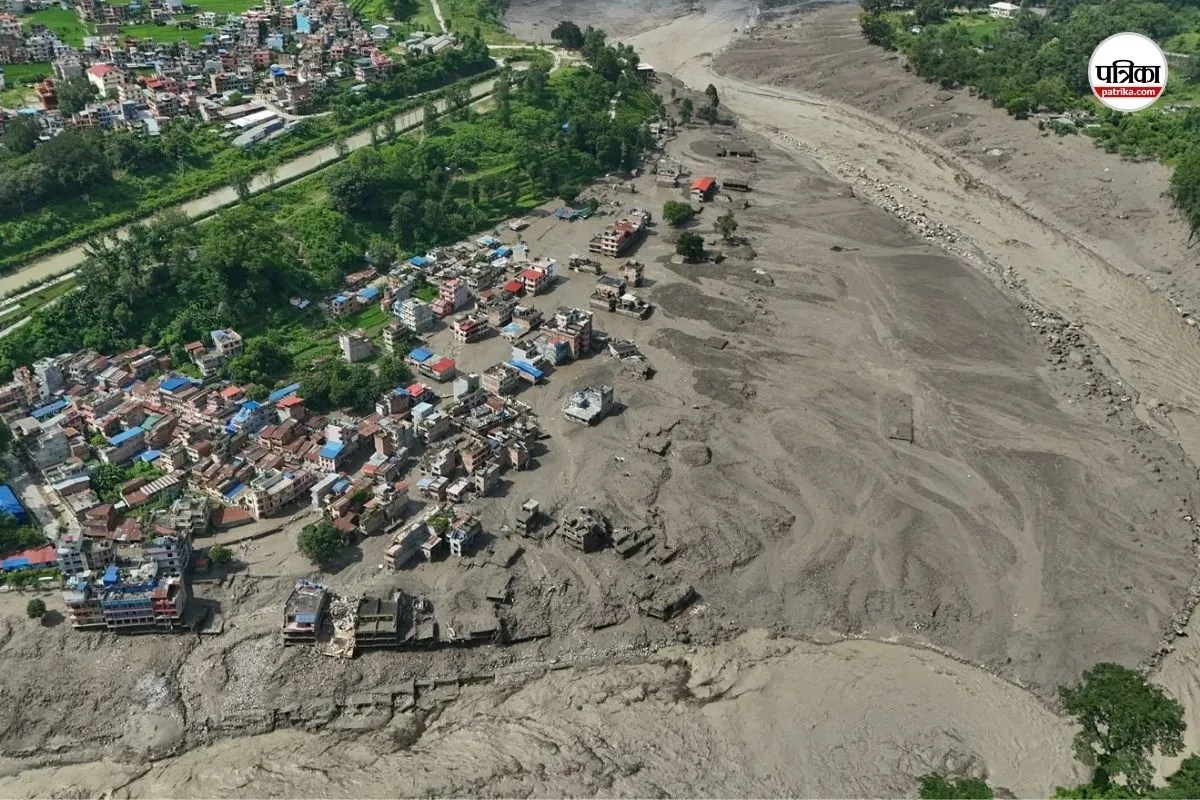
Infrastructure across the Himalayan foothills remains woefully inadequate for changing climate patterns. Unplanned road construction, rampant sand mining in riverbeds, and concrete encroachment on natural drainage paths transform seasonal streams into high-velocity death traps. When a cloudburst hits a deforested ridge, the runoff has nowhere to go. It surges downward, sweeping away homes, roads, and human lives in minutes.
The survivor who lost his wife and two daughters in the latest Nepal floods did not just lose them to rising water. He lost them to a cascade of institutional failures. Sirens that never sounded. Embankments that breached because they were built with substandard materials. Evacuation warnings that reached district headquarters via paper files while mobile networks went down.
Where Disaster Management Fails
Emergency response in rural South Asia is chronically underfunded and reactive. When rivers burst their banks, rescue operations rely on local police officers and poorly equipped volunteers using rubber dinghies against torrential currents. Heavy airlift assets arrive late, if at all. By the time military helicopters can maneuver through low-hanging clouds and high winds, the survivors are clinging to rooftops and the victims have already been washed downstream toward international borders.
The Problem of Missing Bodies
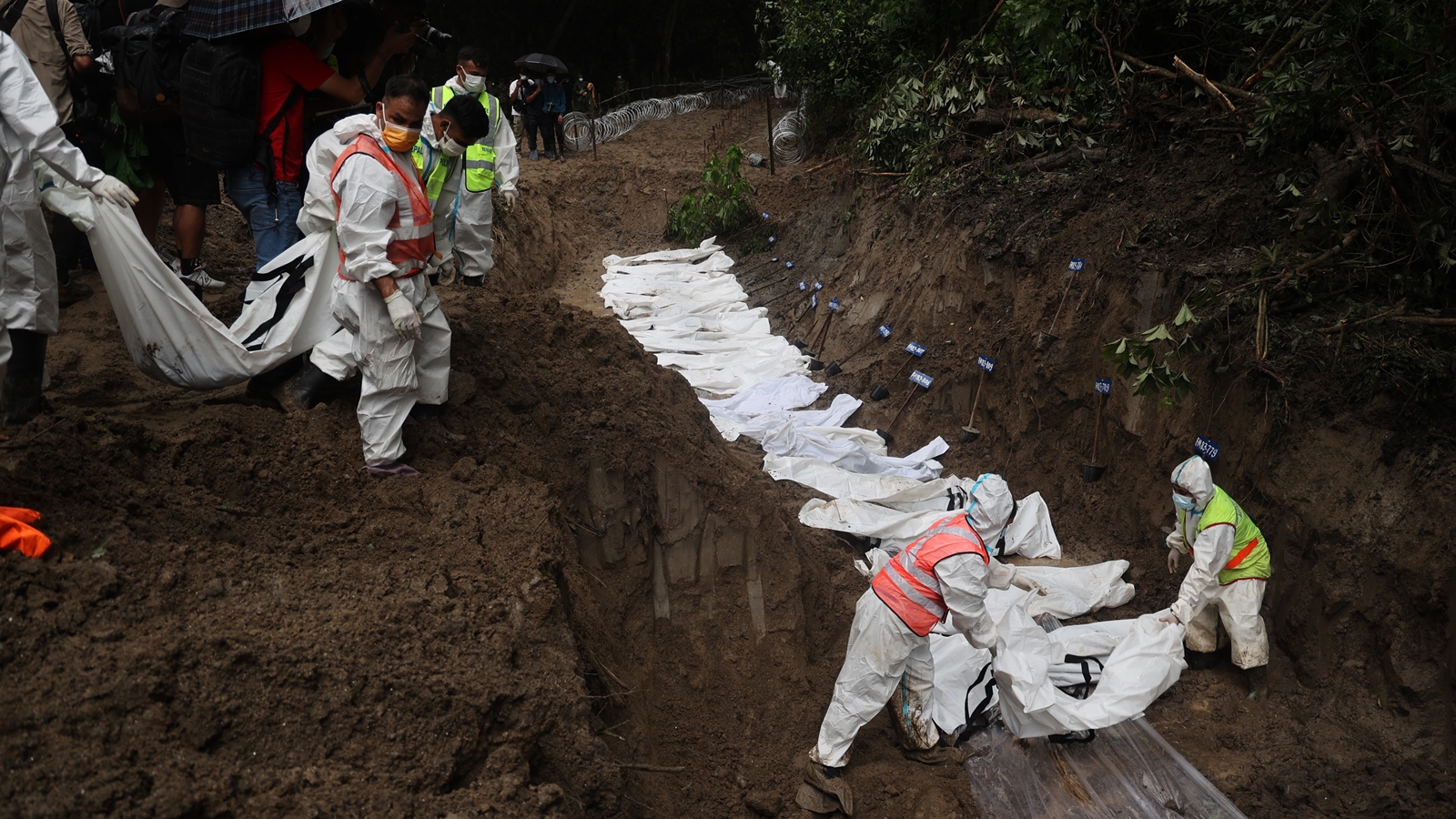
One of the most harrowing aspects of the recent disaster is the sheer number of missing persons. In high-energy mountain floods, bodies are rarely left behind in a neat recovery zone. They are pulverized against boulders, buried under feet of silt, or swept across national boundaries into neighboring India.
For families, this lack of remains denies closure. It also creates a bureaucratic nightmare. Without a body or a formalized death certificate, surviving relatives often cannot claim emergency government compensation, access relief funds, or sort out land ownership rights. The state moves on to the next headline, leaving destitute families trapped in legal and financial limbo.
Climate Realities and Policy Blind Spots
Meteorologists have warned for decades that global temperature increases intensify the South Asian monsoon. Warmer air holds more moisture, leading to shorter, more violent bursts of rainfall rather than steady seasonal precipitation. Standard historical data is obsolete.
Governments continue to plan infrastructure based on fifty-year flood lines that no longer apply. Bridges are built too low. Settlements are permitted on active floodplains because land is scarce and expensive. Real estate developers grease the wheels of local bureaucracy to bypass environmental impact assessments, transforming natural sponges like wetlands and marshes into concrete housing colonies.
Addressing this crisis requires radical policy shifts that politicians routinely avoid because they do not yield votes before the next election cycle.
- Relocation mandates: Banning permanent human habitation within high-risk river corridors and strictly enforcing zoning laws.
- Decentralized early warning: Installing solar-powered siren networks linked directly to automated river-gauge stations that trigger local alerts without waiting for bureaucratic sign-off.
- Accountability audits: Prosecuting contractors and municipal officials who sign off on substandard river embankments and drainage projects.
The Human Toll Beneath the Statistics
Numbers on a casualty chart obscure the reality on the ground. A statistic is a data point for a relief agency report. A human being is a father walking along a muddy riverbank for days, staring into churning brown water, hoping for a sign of his children.
The resilience of ordinary citizens is constantly weaponized by the state. Neighbors pull neighbors from rooftops. Local youth groups organize community kitchens. People share meager rations while waiting for government trucks that take days to navigate washed-out roads. This collective survival instinct is admirable, but it is not a substitute for governance.
Until disaster response transitions from emergency charity to rigorous, pre-emptive infrastructure engineering, the monsoon will continue to act as an annual executioner for the poorest citizens of the region. The rivers will rise again next year. The warnings will be issued. And without systemic structural reform, the outcome will remain identical.