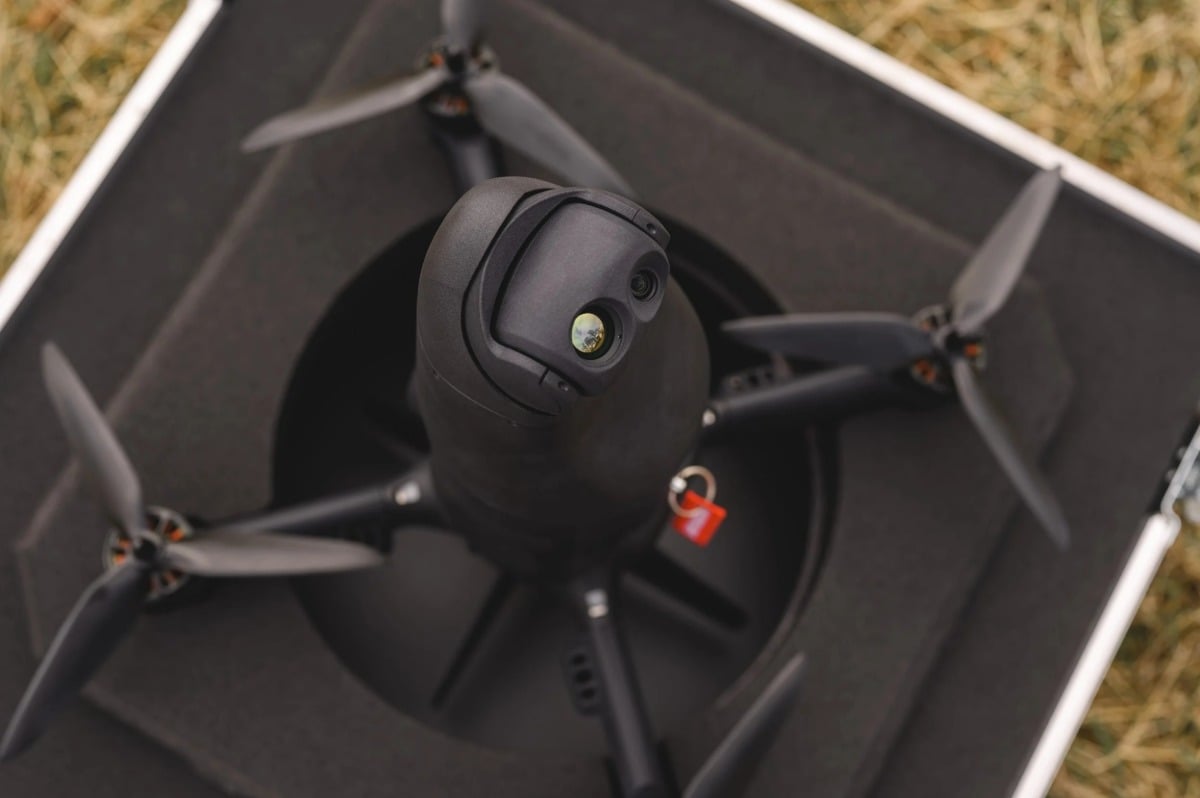
Low-cost kamikaze drones are changing the face of modern warfare. We see it every day in Ukraine, where a thousand-dollar quadcopter can instantly take out a multi-million-dollar tank. This terrifying reality is forcing Western militaries to scramble for answers. NATO nations recently took a major step toward dealing with this nightmare by forming a specialized drone-killing user club. They're pooling resources to buy and improve a combat-proven defense system.
It's a smart play. The threat is moving faster than standard military procurement pipelines can handle. If you want to understand how modern armies plan to survive the modern battlefield, you need to look at exactly what this new alliance is doing.
The Threat That Plagues NATO Planners
Air defense used to mean shooting down expensive fighter jets or ballistic missiles. Today, the biggest danger on the front lines often comes from a plastic drone bought off the internet and rigged with explosives. Traditional air defense missiles like the Patriot are incredible at what they do. But they cost millions of dollars per shot. You can't use a two-million-dollar missile to destroy a drone that costs less than a used laptop. The math just doesn't work.
That asymmetry is driving the rush toward specialized counter-unmanned aerial systems (C-UAS). Western forces need something cheap, fast, and endlessly repeatable.
A group of European NATO allies officially launched this new user group to standardize their approach. Germany, the Netherlands, Denmark, and several other member states are focusing their efforts around the Smart Shooter SMASH technology. Instead of inventing five different systems from scratch, these countries realize they are stronger if they work together on one proven platform.
Inside the Tech the New Drone Killing Club is Adopting
The core of this initiative relies on smart optics. The SMASH system, designed by Israeli tech firm Smart Shooter, attaches to standard infantry rifles like the M4 or the HK416. It looks like a futuristic scope, but it functions more like a fighter jet's fire control system.
When a soldier looks through the optic, the internal computer automatically detects, tracks, and locks onto a moving drone. It calculates the drone's speed, flight path, and wind resistance. Here is the clever part. The system prevents the rifle from firing until the weapon is perfectly aligned for a guaranteed hit. The soldier holds down the trigger, and the gun fires only when success is mathematically certain.
It turns regular infantry soldiers into precision drone killers. It eliminates human error, panic, and bad aim.
Using this system solves the cost-per-shot dilemma instantly. It relies on standard 5.56mm or 7.62mm ammunition. A burst of three rounds costs pennies compared to any missile system. It gives the average grunt on the ground a fighting chance against an aerial threat that they previously couldn't hit.
Why a Cooperative User Club Matters for Western Defense
Military procurement is usually a bureaucratic disaster. Every country wants its own custom specifications, which slows production and drives up costs. By forming a dedicated user club, these NATO nations are bypassing a lot of the usual red tape.
There are three major reasons why this specific partnership is a big deal.
Shared Combat Data and Fast Software Updates
Drones evolve every single week. Operators change their flight tactics, use different frequencies, and modify their frames. Because the SMASH system relies heavily on software and algorithmic tracking, the user club allows member nations to share target data instantly. If German forces encounter a new drone type or behavior, they can log that data, update the tracking algorithms, and deploy the software patch to Danish and Dutch troops the next day.
Bulk Buying Power
Military hardware gets cheaper when you buy in bulk. By aggregating their orders, the member nations get better pricing from Smart Shooter. It also guarantees production priority. In a world where factory capacity is stretched thin due to ongoing global conflicts, being part of a massive joint order ensures your troops actually get the gear when they need it.
Interoperability on the Battlefield
If NATO ever enters a large-scale conflict, troops from different countries will be fighting side-by-side. If a Dutch platoon is running low on supplies, they need to be able to pick up a German rifle or use Danish maintenance kits without needing a whole new training course. Standardizing on the same counter-drone optic makes joint operations radically simpler.
The Real World Limitations of Small Arms Drone Defense
We have to be honest about what this technology can and cannot do. A rifle-mounted smart optic is a last line of defense. It is not a magic shield that solves the drone problem entirely.
Standard infantry rifles have an effective range of a few hundred meters. If a drone is flying high enough or moving fast enough, a soldier on the ground won't be able to hit it, even with a smart scope. SMASH is designed to protect a specific squad or vehicle from low-flying, immediate threats.
To survive a modern conflict, militaries need a layered approach. This looks like a mix of several different technologies working at once.
- Electronic Warfare (EW): Jamming the radio frequencies or GPS signals that the drone needs to fly.
- Kinetic Interceptors: Larger, automated gun systems or laser weapons that can take down targets kilometers away.
- Handheld Optics: Systems like SMASH to eliminate the drones that slip through the jamming and the larger outer defenses.
If a military relies solely on jamming, they get crushed when the enemy switches to autonomous, AI-guided drones that don't use radio signals. If they rely solely on rifles, they get overwhelmed by sheer numbers. The user club is a massive upgrade for the infantry layer, but it's just one piece of a much larger puzzle.
Expect More Nations to Jump In
The establishment of this C-UAS user club shows that NATO is finally waking up to the speed of modern tech development. Buying habits are changing. The old way of spending a decade designing a complex weapon system is dead.
The move toward modular, software-driven gear like the SMASH system is the new standard. Don't be surprised to see the United Kingdom or the United States increase their involvement with this specific user group. The US Army has already experimented with Smart Shooter systems in various capacities, and the desire for standardized equipment across the alliance is growing.
For defense planners looking to protect their personnel right now, the blueprint is clear. Stop waiting for perfect, high-tech laser weapons that are still years away from mass deployment. Invest heavily in smart, adaptable systems that work with the gear your soldiers already carry. The nations joining this user club understand that lesson, and their troops will be safer for it.


