The Relief Rally is a Financial Mirage
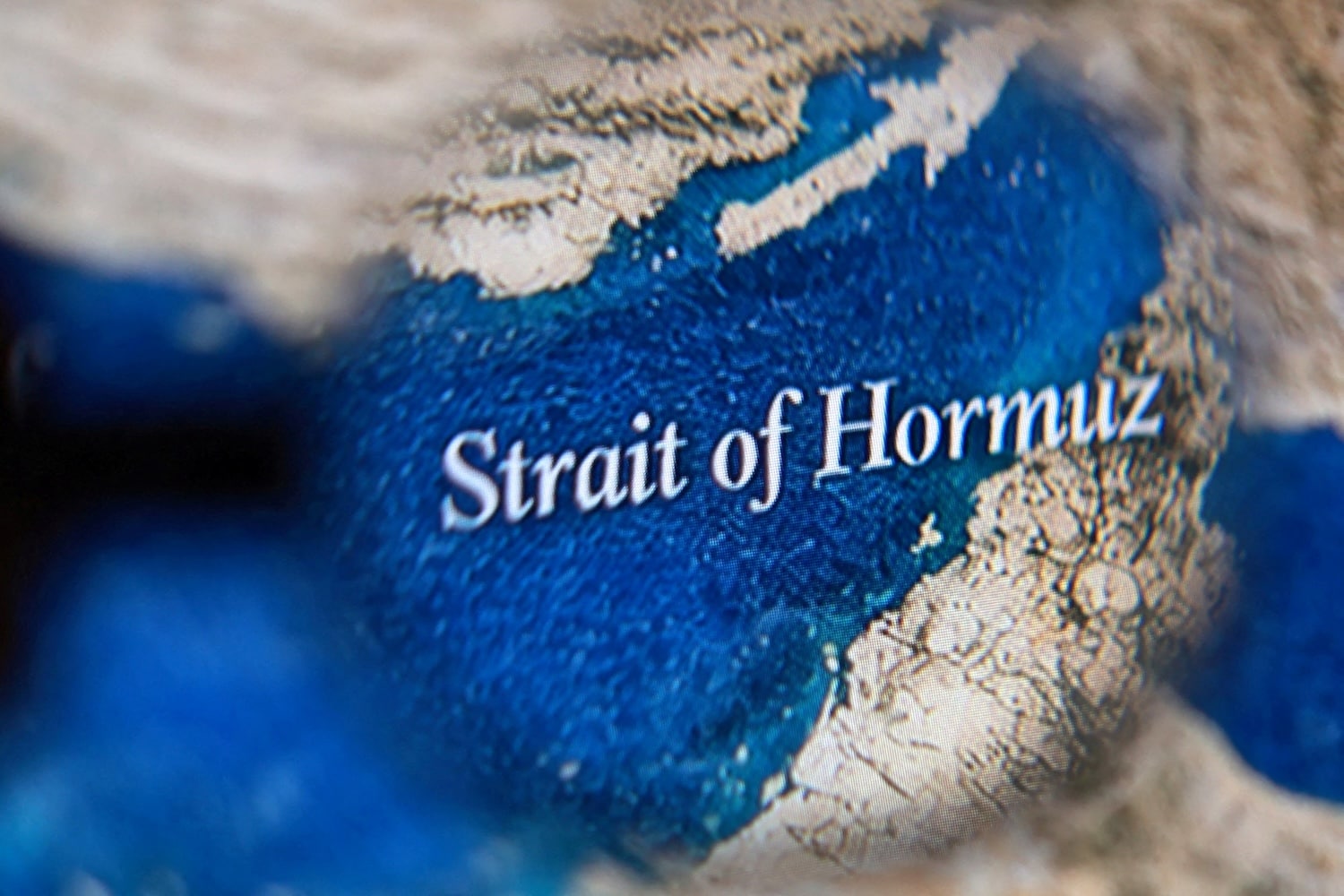
Global markets are popping champagne corks because of a headline. The consensus among financial commentators is that the announced framework agreement between the United States and Iran is an absolute triumph for Asian economic security. On paper, it looks flawless. The US naval blockade lifts. The Strait of Hormuz gradually reopens over a 60-day window. Iran begins demining. Oil futures plunge more than 4%, dragging Brent down to the low $80s, while the Nikkei and Kospi stage monster 5% rallies.
This knee-jack euphoria is completely detached from physical and structural reality.
Mainstream analysts are treating a highly conditional 60-day ceasefire extension like a permanent structural shift in global energy supply. They see a headline, deduct the geopolitical war premium from their spreadsheets, and declare the crisis over. I have spent decades analyzing energy supply chains through multiple market cycles, and if there is one hard truth about geopolitical trade, it is this: paper agreements do not magically put oil back into tankers, nor do they fix broken geopolitical trust.
The reality is far grimmer. This temporary truce is not a relief valve; it is a highly volatile intermission. The underlying structural vulnerabilities that the multi-month maritime shutdown exposed across Asia have not disappeared. In fact, by rushing to unwind their hedges and pausing emergency energy transition plans, Asian economies are setting themselves up for a secondary, far more devastating supply shock when this fragile political compromise inevitably fractures.
The Illusion of the Reopened Chokepoint
The fundamental flaw in the market's optimism lies in a basic misunderstanding of maritime logistics and naval warfare. The consensus assumes that because President Trump posted an all-caps declaration on social media authorizing ships to "start your engines," the world's most critical energy artery will instantly normalize.
It will not. Consider the sheer physical friction involved in reversing a months-long naval blockade and mining campaign:
- The Demining Timeline Trap: Under the framework brokered by Pakistan and Qatar, Iran has a 30-day window just to clear the naval mines it scattered throughout the narrow waterway. Demining is an erratic, highly non-linear operational challenge. A single uncounted sea mine drifting out of the designated zone can detonate an entire insurance market.
- The Insurance Standoff: Commercial maritime syndicates like Lloyd's of London do not reinstate standard hull and machinery coverage based on a political memorandum of understanding signed in Switzerland. War risk premiums will remain prohibitively high until multiple commercial vessels successfully transit the strait without incident.
- The Fleet Bottleneck: Over 800 ships and roughly 20,000 crew members have been idling, rerouted, or trapped in logistical limbo since late February. The backlog cannot be cleared smoothly. We are about to witness a massive operational traffic jam that will keep spot freight rates elevated for months, completely offsetting the minor drop in crude futures.
Imagine a scenario where a mid-sized commercial tanker hits an overlooked tethered mine three weeks from now. The entire framework collapses instantly, insurance rates triple overnight, and the strait shuts down again—except this time, Asian buyers will have already liquidated their defensive stockpiles.
Dismantling the Performance-Based Sanctions Lie
The media is pushing the narrative that the US waiver allowing Iran to sell oil during the 60-day technical negotiation will immediately flood the market with cheap crude, rescuing energy-starved Asian processors. This completely misreads the mechanics of Washington's sanctions apparatus.
The Biden-era enforcement architecture was complex, but the current administration's approach is explicitly "performance-based." As senior officials have confirmed, there is absolutely no upfront unfreezing of the $24 billion in foreign assets that Tehran is demanding. Sanctions relief is tightly back-loaded, directly tied to the highly contentious process of down-blending 9,000 kilograms of enriched uranium under strict IAEA supervision.
This creates an insurmountable execution risk. The hardline factions within the Islamic Revolutionary Guard Corps (IRGC) are tolerating this deal purely because their domestic economy is suffocating. The moment Washington delays an asset release due to a verification dispute, the Iranian state apparatus has every incentive to halt cooperation and leverage its maritime leverage once again.
For major Asian industrial consumers—especially the massive petrochemical clusters in South Korea and Japan—relying on this conditional flow is operational suicide. Companies like LG Chem, Lotte Chemical, and Mitsui Chemicals saw their stock prices surge between 2 to 7% on the Monday morning announcement. This is speculative madness. These companies rely heavily on Middle Eastern naphtha transiting Hormuz. Their underlying feedstock shortage cannot be solved by a temporary waiver that could be revoked via a single late-night executive order or a renewed Israeli strike on a Hezbollah asset in Beirut.
The True Cost of Asia’s Strategic Vulnerability
The true damage of the recent conflict was never just about the price of a barrel of oil. It was about the utter disintegration of Asia’s broader economic security architecture.
For the past three months, the region has endured unprecedented systemic shocks. The Philippines, which historically imports up to 90% of its crude from the Middle East, was forced into emergency economic rationing. Vietnam, Thailand, and South Korea implemented severe energy conservation mandates. Industrial production slowed, and the agricultural sector across South and Southeast Asia buckled under a massive shortage of Middle Eastern fertilizer and urea.
The underlying data highlights the sheer scale of the vulnerability:
| Metric / Commodity | Asian Reliance on Strait of Hormuz Flows |
|---|---|
| Crude Oil & Petroleum Products | 80% of total transit volume destined for Asia |
| Liquefied Natural Gas (LNG) | 90% of total transit volume destined for Asia |
| Regional Fertilizer Imports | 34% of South Asia's total supply sourced via the Gulf |
| Macroeconomic Impact | Estimated 0.7% to 1.2% GDP drag across emerging Asia |
A 60-day ceasefire does absolutely nothing to alter these structural dependencies. It merely provides a false sense of security. The Brookings Institution correctly noted that the war exposed a terrifying reality: the global economy currently lacks a great power stabilizer. The United States launched military actions and blockades without coordinating with its primary Asian allies, directly triggering the energy starvation of the very partners it claims to protect.
Why the Smart Money is Disobeying the Market
While retail investors and tourist traders are buying the regional equities rally, sovereign wealth funds and long-term infrastructure planners are quietly executing a completely different playbook. They understand that the era of cheap, uninterrupted Middle Eastern fossil fuels flowing reliably eastward is officially dead.
The smart play right now is not to celebrate lower crude prices, but to aggressively exploit this temporary price dip to accelerate total decoupling from the Gulf logistics network.
First, look at the shifting behavior of state-backed entities in Beijing and New Delhi. They are not expanding their spot orders in the Gulf. Instead, they are locking down long-term bilateral supply agreements with land-based Russian operators and investing heavily in the expansion of alternative rail and pipeline infrastructure across Central Asia.
Second, the structural crisis in agricultural inputs remains entirely unresolved. Even if the strait opens tomorrow, the agricultural damage for the 2026 planting season across Thailand, Vietnam, and the Philippines is already done. Farmers skipped fertilizer applications due to peak prices in April and May. Crop yields will drop later this year regardless of what happens in Geneva or Switzerland on June 19. Food inflation is locked in; the market just hasn't priced it yet.
Stop Buying the Peace Hype
The consensus tells you to buy the dip in Asian manufacturing and celebrate the return of globalized energy flows.
I tell you that this framework agreement is an unstable political band-aid slapped over a profound geopolitical fracture. The underlying structural antagonism between Washington and Tehran remains completely unaddressed. Israel is not a party to this agreement, and its military leadership has explicitly reserved the right to strike Iranian targets if they perceive any verification failure.
By unwinding energy hedges, stopping emergency fuel rationing programs, and pausing the domestic development of alternative supply networks, Asian governments and corporate boards are making a catastrophic mistake. They are trading hard-earned strategic resilience for a brief, fleeting moment of stock market euphoria.
The truce will falter. The mines are still in the water. The mistrust is absolute. The real winners of this cycle will not be the companies cheering a temporary 4% drop in oil today, but the contrarian operators who treat this brief window of stability as their final opportunity to permanently insulate their operations from the inevitable collapse of the Western-managed maritime order.