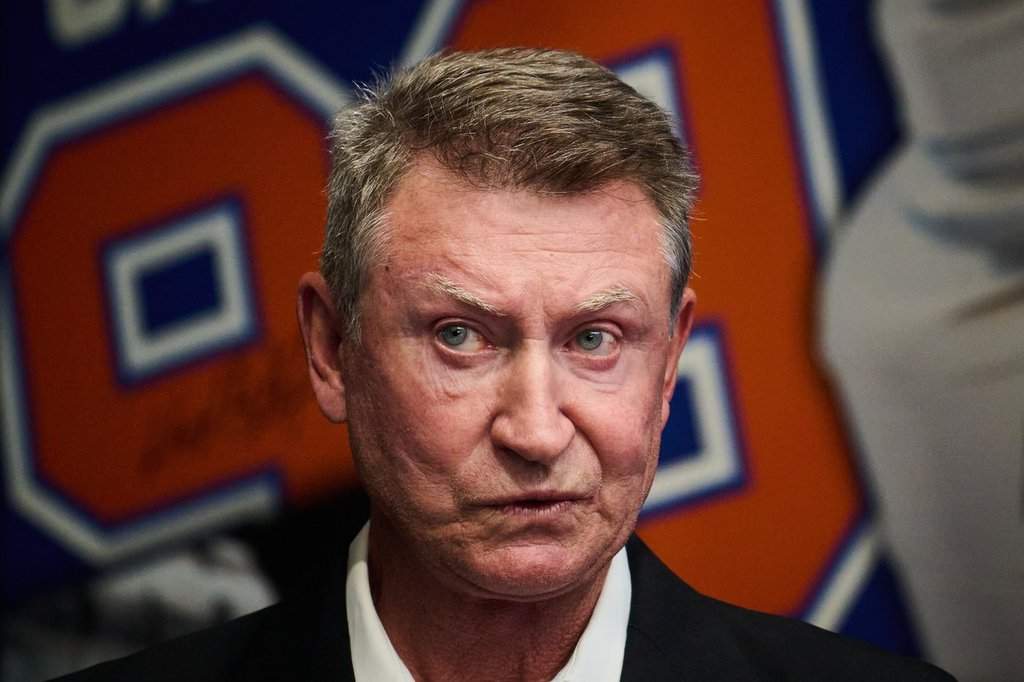
"Glad to be back."
Four words from Myles Garrett just ruined the Washington Commanders' entire offensive game plan. If you've been following the injury reports leading up to the Los Angeles Rams' matchup against Washington, you already know how tense things have been in L.A. Defensive coordinators lose sleep over status updates like this, and opposing offensive tackles definitely do. Garrett is expected to suit up and play for the Rams against the Commanders, instantly flipping the math on a game that looked far more manageable for Washington just forty-eight hours ago.
Honestly, most casual fans look at an injury report, see a star pass rusher cleared to play, and simply assume the defense gets a standard boost. That's a massive misread of how elite edge rushers warp an NFL football field. When a generational defensive end steps onto the turf—even if he's shaking off a bit of rust—every single protection scheme on the opposing sideline has to be rewritten on the fly.
What Garrett's Return Actually Does to the Rams Defense
Let's get straight to the point. You don't replace a player of Garrett's caliber with a committee of rotational guys, no matter how solid your depth chart looks on paper. When he's on the sideline, opposing offenses run single-team blocks, keep their tight ends in the passing routes, and let their quarterbacks hold the ball for an extra beat.
Put Garrett back on the edge for Los Angeles, and all that comfort evaporates.
Here is what happens the second he lines up in a three-point stance:
- Automatic double teams: Washington can't leave an offensive tackle on an island against him for sixty minutes without risking a strip-sack. They'll have to slide protection his way or chip him with a running back, which immediately pulls an eligible receiver out of the route concept.
- Cleaner lanes for interior rushers: Because the offensive line's eyes and hips are tilted toward Garrett's side of the formation, the Rams' defensive tackles get one-on-one matchups up the middle. A quarterback can't step up into the pocket if the guard is getting bull-rushed into his lap.
- Shorter internal clocks for the quarterback: Even on plays where Garrett doesn't register a tackle or a sack, his mere presence forces quick, hurried throws into tight coverage windows.
It's a domino effect. When your primary pass rusher is active, your secondary suddenly looks twice as fast because the ball has to come out under two and a half seconds.
Why Washington's Offense Has a Massive Problem
The Commanders entered this week preparing for a very specific version of the Rams' defensive front. Coaches spend Monday through Wednesday installing protections tailored to the personnel they expect to see on Sunday. Finding out late in the week that Garrett is feeling good, practicing, and saying he's "glad to be back" throws days of film study right into the trash.
You can't simulate Garrett's first step in practice. Scout team defensive ends simply don't possess that freakish combination of bend, power, and closing speed.
If Washington tries to stubbornly stick to their base protection calls, they're asking for trouble on third-and-long. On the flip side, if they overcompensate by keeping extra blockers in the backfield on every passing down, the Rams' linebackers and safeties will happily sit on the underneath routes and suffocate the short passing game. It's a classic pick-your-poison scenario that leaves offensive coordinators miserable.
The Snap Count Question Nobody Wants to Talk About
Let's be realistic for a second. Just because Garrett is expected to play doesn't automatically mean he's logging ninety percent of the defensive snaps. Coaching staffs aren't reckless with franchise cornerstones coming off an absence.
You have to expect Los Angeles to deploy him strategically, at least during the first half. Look for him to be heavily involved on obvious passing downs—third-and-six or longer, two-minute drills before halftime, and red-zone packages where space is compressed and a single negative play forces a field goal attempt. Keeping him fresh for the fourth quarter is way smarter than burning his gas tank out on early-down run plays in the first quarter. If the game is tight with five minutes left on the clock, that's when you turn him loose on every snap and let him close the door.
How to Watch and Track This Matchup Like a Pro
If you're tuning into Rams vs. Commanders—or adjusting your fantasy lineups and Sunday wagers—don't just stare at the box score waiting for sack totals. Sacks are noisy, inconsistent stats that often depend on coverage downfield.
Instead, keep your eyes locked on the line of scrimmage during the first two offensive drives for Washington. Watch where the Commanders' tight end lines up. If he's constantly parked next to the tackle on Garrett's side just to deliver a shoulder chip before releasing into his route, you'll know right away that Washington is terrified of him wrecking the game. Watch how quickly the quarterback's back foot hits the top of his drop and whether he's bailing out of clean pockets early because he feels phantom pressure.
Check the final inactive list ninety minutes before kickoff just to confirm there are no last-minute setbacks during pregame warmups. Assuming Garrett clears that final hurdle as expected, downgrade your expectations for Washington's deep passing game immediately, bump up the Rams' defensive projection in your fantasy leagues, and watch how fast one healthy star changes the entire geometry of a football game.