Triple-digit heat does not merely warm the air. It presses down upon a crowd like a physical weight, turning open-air parks into pressure cookers. On a scorching October afternoon at Anderson Park, hundreds of people gathered for the City of Carson Jazz Festival. They came for the rhythm. They came for the community. They came to see legends perform under the Southern California sun.
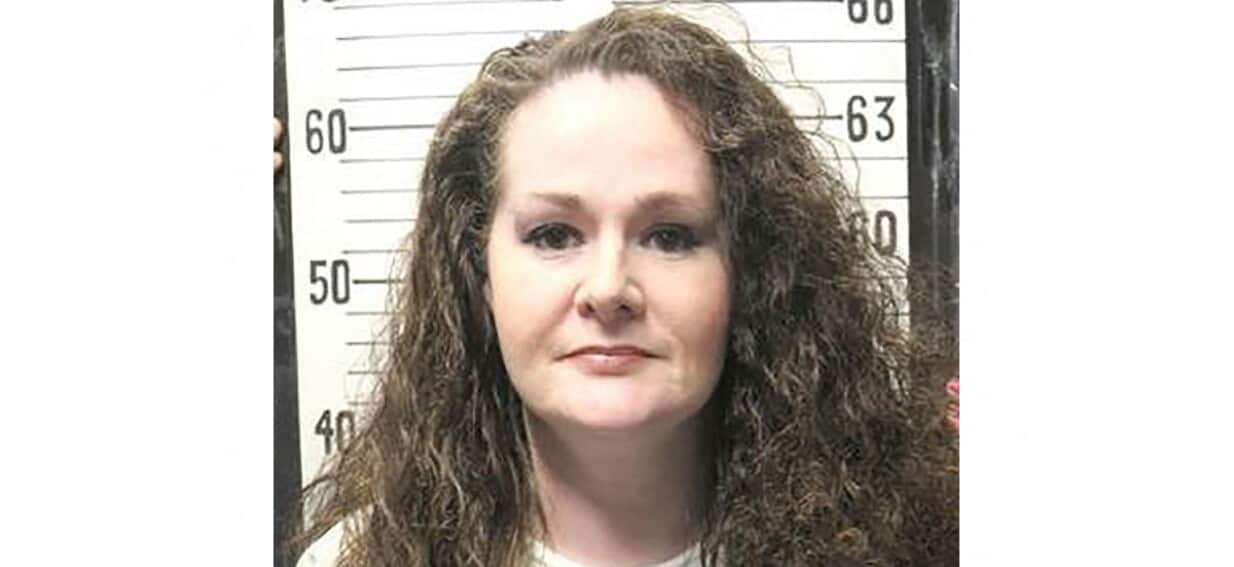
Among them was Shari Sanders. To her family, she was the anchor—the one who kept everyone connected, a mother, a grandmother, a sister, and a friend whose absence now leaves an unfillable void. She arrived early, like so many dedicated fans do, saving spaces for her loved ones while the temperature climbed past endurance.
Then, tragedy struck.
In the middle of the crowded venue, amidst the mounting heat and the long hours of waiting due to delayed production schedules, Sanders suffered a medical emergency. Fellow concertgoers sprang into action, performing CPR for twenty agonizing minutes before paramedics could arrive. But the combination of extreme weather and delayed relief proved insurmountable. Shari Sanders passed away right there in the crowd.
What should have happened next is universal. Basic human decency dictates that when a life is lost in a public space, the environment pauses. Authorities clear the area. Respect takes precedence over logistics.
Instead, the show went on.
While Sanders' body remained on the festival grounds, covered by a blanket and surrounded by her grieving family, the music returned. Speakers vibrated. The crowd shifted. Headliners prepared to take the stage.
Legendary percussionist Sheila E. stepped into the spotlight unaware of the grim reality unfolding feet away from the backstage area. She took her place behind her drums, ready to deliver the high-energy performance fans anticipated. During the set, she learned a medical incident had occurred, pausing briefly for a moment of silence and dedicating a song to the family.
She assumed, like anyone would, that the situation had been handled with care and reverence. She assumed the festival organizers had done the right thing.
She was wrong.
It was only after her set concluded, when she retreated to her dressing room, that the horrifying truth came to light. Sanders' body had not been removed. For hours, while the festival continued, while artists performed, while crowds cheered, a family sat mourning beside their loved one in plain view of an ongoing public celebration.
The realization left the veteran musician physically ill.
Taking to social media, a visibly shaken Sheila E. voiced a raw, unfiltered outrage that echoed far beyond the borders of Carson. She did not mince words. She called out city officials, event production teams, and leadership directly, stating plainly that the festival should have been halted the moment tragedy struck.
"I would have never, never gotten on stage if I would've known that her body was still sitting there with her family surrounding her," she said.
Her critique went deeper than just the immediate mishandling of the body. She pointed to systemic failures that turned a music festival into a hazard zone. Attendees had been forced to wait outside for hours in brutal, triple-digit temperatures with inadequate hydration stations available to combat the heat. Production delays meant people were trapped in the blistering sun longer than planned, testing human limits without proper infrastructure to support them.
In moments of crisis, institutions often default to self-preservation. Budgets, ticket sales, permits, and municipal pride take precedence over human vulnerability. The show must go on—an old show business adage that becomes grotesque when applied blindly to human loss.
Shari Sanders was not merely a statistic or an unfortunate disruption to an afternoon schedule. She was a mother, a grandmother, and a cherished presence in the lives of dozens of relatives who expected to spend a day enjoying music and instead found themselves guarding her body on a patch of park grass while loudspeakers played overhead.
When public events prioritize schedules over safety and optics over empathy, something fundamental breaks. The outrage expressed by artists and community members is a demand for a recalibration of basic human standards. No setlist, no mayoral appearance, and no 40-year festival tradition is worth more than a human life—and no family should ever have to grieve in the shadows of a concert that refused to stop.
The music eventually faded at Anderson Park, but the silence left behind by Shari Sanders remains deafening.
Music icon blasts festival after dead woman's body remained while she performed
This video report captures the immediate public and media response to the controversy surrounding the handling of the festival and the statements made by performers regarding the tragic incident.