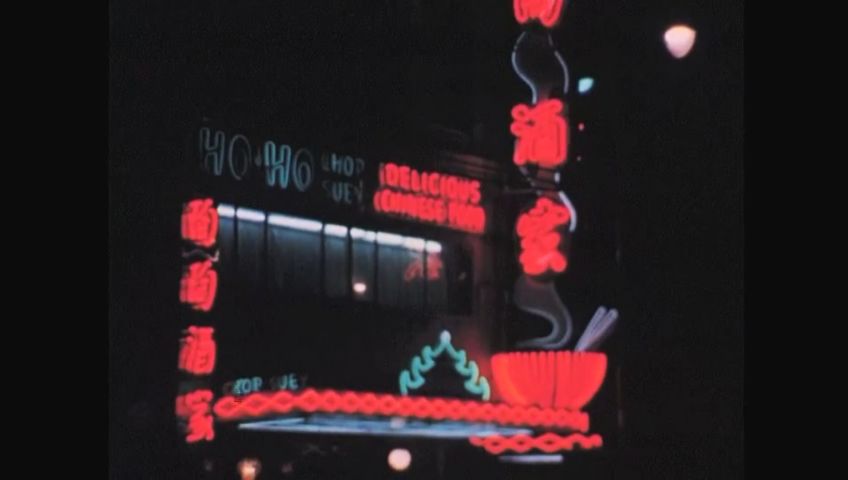
The food media is currently collectively swooning over the news that a legendary, decades-old Chinatown restaurant is "reimagining its heritage" by packing up and moving to a shiny new location. The headlines read like a celebratory press release: better kitchen facilities, a more modern dining room, and room to grow.
They are celebrating a funeral.
In thirty years of analyzing hospitality data and watching legacy brands attempt to scale, I have seen this exact playbook play out dozens of times. The narrative is always the same. The rent got too high, or the plumbing got too old, so the owners decided to "evolve." They trade their gritty, soul-infused, historically significant space for a polished box with exposed ductwork and a landlord who demands corporate-level margins.
They think people eat the food. They don't. They eat the room.
When you move an iconic restaurant, you aren't just changing an address. You are bankrupting your primary asset: your unmanufactured authenticity.
The Myth of the "Seamless" Relocation
The lazy consensus in restaurant journalism assumes that loyalty belongs to the chef or the menu. It does not. Loyalty belongs to the habit.
When a restaurant exists in the same spot for forty years, it becomes part of the local infrastructure. The scuffed linoleum, the decades of layered grease on the exhaust hoods, the specific way the light hits the vinyl booths at 6:00 PM—these are not aesthetic flaws to be corrected. They are the product.
Economists call this "spatial lock-in." When consumers develop a multi-generational habit tied to a specific geographic coordinate, the friction of changing that habit is incredibly high. The moment you move three blocks away to a space that smells like fresh drywall and industrial adhesive, you break the spell. You force your customers to re-evaluate their relationship with your brand on a purely transactional basis.
And on a transactional basis, a new restaurant rarely wins.
The Cost-Per-Square-Foot Trap
Let's look at the brutal math behind these moves.
Legacy Space: $30/sq ft (grandfathered lease) -> Low overhead = High ingredient quality, low menu prices.
New Space: $85/sq ft (triple net lease) -> High overhead = Margin compression, price hikes, portion control.
To pay for the millions of dollars in build-out costs and the exponential jump in rent, the relocated icon must immediately make compromises:
- Menu Inflation: The $14 plate of noodles that built the restaurant’s reputation suddenly becomes a $24 plate of noodles.
- Table Turnover Pressures: The staff, once casual and familial, is now trained by consultants to flip tables in 45 minutes flat.
- Ingredient Engineering: To protect margins against high rent, high-quality local or specialized imports get swapped for systemic food service distributors.
The result? You look like a premium corporate chain mimicking the ghost of the restaurant you used to be.
Dismantling the "People Also Ask" Delusions
If you look at search trends around legacy restaurant relocations, the public asks incredibly naive questions. Let's dismantle the premises of those queries with some cold reality.
"Will the food taste the same at the new location?"
No. It physically cannot.
Every historic kitchen develops its own micro-ecosystem. The seasoned woks, the specific thermal mass of old brick ovens, and even the ambient humidity of an old building contribute to the flavor profile of legacy dishes.
When you install brand-new, high-efficiency, stainless-steel commercial appliances, the cooking mechanics change entirely. A wok over a brand-new high-BTU burner cooks differently than one over a forty-year-old stove with settled gas lines. More importantly, you cannot replicate the institutional memory of a kitchen staff that has spent decades navigating the tight, quirky corners of an old space.
"Don't legacy restaurants need to modernize to attract younger diners?"
This is the most dangerous lie in hospitality marketing.
Gen Z and Millennial diners do not want modernized heritage. They are hyper-allergic to manufactured corporate authenticity. They flock to old Chinatown spots precisely because those spaces haven’t been sterilized by an interior design firm. They want the neon signs that buzz slightly. They want the handwritten paper menus taped to the wall.
When you "modernize" the space to appeal to a younger demographic, you alienate the old regulars who provided your baseline revenue, while younger diners ignore you because you now look exactly like every other gentrified bistro in the city. You end up appealing to nobody.
The Exceptions That Prove the Rule
To be fair, relocation can work, but only under one specific condition: when the brand identity is entirely divorced from the physical environment.
Fast-casual chains can relocate easily. A drive-thru coffee spot can move across the street without losing a beat because its value proposition is speed and convenience. But for a sit-down cultural anchor, the environment is the value proposition.
Consider the heavy hitters of the culinary world. When Peter Luger Steakhouse opens a location in Tokyo, it isn't relocating; it's licensing a brand concept. The original Brooklyn location stays exactly where it is, anchored to its history. The moment you close the original anchor to move into a luxury development down the street, you are no longer an institution. You are a startup with an expensive back-story.
Stop Moving. Start Hardening.
If you own a historic restaurant and your lease is up, or your building is failing, your instinct should not be to pack up and find a modern storefront. Your move should be to fight for the dirt you stand on.
Buy the building if you can. Negotiate long-term equity partnerships with landlords. Invest in fixing the hidden infrastructure—the plumbing, the electrical, the structural integrity—while leaving the visible layers completely untouched.
If you absolutely must move because of forces outside your control, do not try to make it look nicer. Do not hire a designer who wants to give you "a clean, minimalist interpretation of your roots."
Take the old booths with you. Reinstall the cracked tiles. Force the new space to bend to the old aesthetic, not the other way around.
The food media will write glowing reviews of the new grand opening during month one. They will praise the sleek new bar and the craft cocktail program. But look at the dining room during month eighteen, when the novelty has expired and the corporate rent invoice hits the desk.
You cannot transplant a soul. Either stay in the ground that grew you, or have the courage to close the doors for good and leave a pristine legacy instead of a hollow franchise.