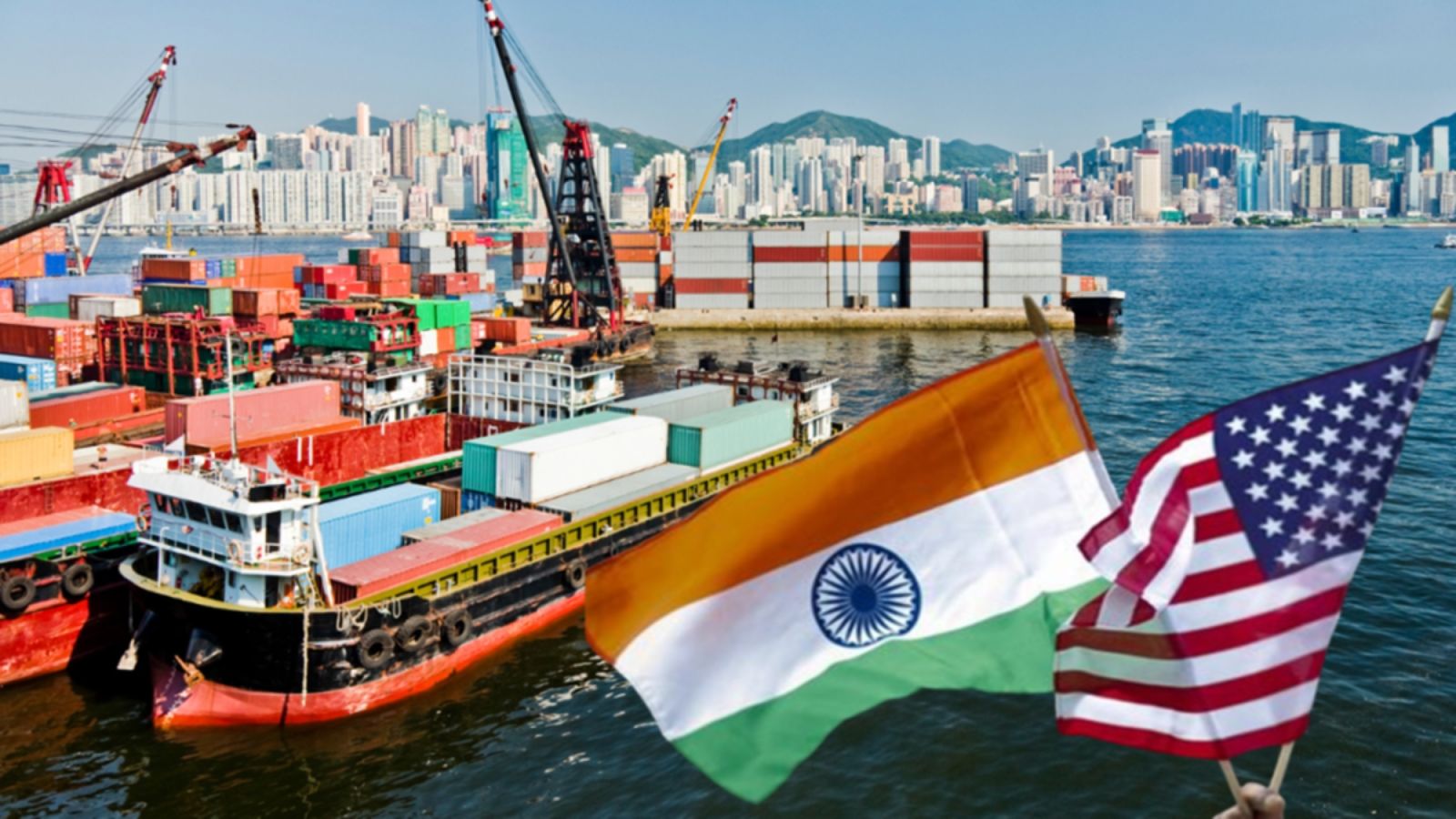
Every headline out of the trade desks right now sells you the same fairy tale. They tell you Moscow, Beijing, and New Delhi are locking arms over the High North, carving up the polar ice cap in a grand tripartite alliance of convenience. They call it productive. They call it strategic alignment. They write about melting sea lanes and joint shipping convoys like it is a cooperative camping trip at the top of the world.
It is absolute nonsense.
I have spent years tracking supply chain logistics and energy geopolitics across Eurasia, watching governments posture for domestic press while their actual bureaucrats stab each other under the table. The lazy consensus in modern journalism assumes that because three capitals share an animosity toward Western sanctions, they must share a vision for the Arctic.
They do not. The Arctic is not a joint venture. It is a slow-motion knife fight disguised as a science conference.
The Myth of the Polar Brotherhood
Let us strip away the diplomatic boilerplate about mutual respect and multilateral development. The reality of Arctic governance is brutal, zero-sum, and defined by deep-seated paranoia.
Moscow is desperate. Western sanctions gutted their liquefied natural gas projects, starved their shipping fleets of ice-class hulls, and cut off the capital inflows required to keep Yamal and Vostok Oil alive. They need money, and they need technology. Naturally, they turned eastward.
Beijing and New Delhi saw blood in the water.
When people talk about Sino-Russian cooperation in the Arctic, they imagine a partnership of equals. That is a fundamental misread of power dynamics. Beijing views Russia as a distressed asset. China does not want to help Moscow develop the Northern Sea Route out of ideological solidarity; they want to buy discounted hydrocarbons and secure an unhindered commercial corridor to European markets without paying tolls to a sovereign they fundamentally mistrust.
India’s angle is even more transactional. New Delhi sends research vessels to Svalbard and signs bilateral memoranda not because they dream of conquering the ice, but because they refuse to let China dominate any maritime corridor that touches their energy security matrix.
Look closely at the actual infrastructure agreements. They are marked by endless delays, haggling over currency settlements, and a profound reluctance from Chinese state banks to expose themselves to secondary sanctions. The talks are productive only in the sense that two scorpions in a jar are productive at sizing each other up before someone strikes.
The Geography of Mistrust
To understand why this supposed axis of the North is structurally doomed, you have to look at the physical realities of the region. Geography dictates paranoia.
The Northern Sea Route runs entirely through Russian internal waters and exclusive economic zones. Moscow treats this maritime highway like a private toll road. They demand compulsory icebreaker escorts, heavy fees, and mandatory pilotage by Russian captains.
Now, imagine a scenario where a Chinese commercial mega-container ship carrying high-value tech components tries to transit this route under tight insurance restrictions, entirely reliant on Russian state monopoly assets for safety. Beijing hates dependency. The entire Belt and Road strategy is built on eliminating single points of failure controlled by foreign rivals. Handing Moscow a physical chokehold over China's export arteries to the West violates Beijing's core strategic doctrine.
Meanwhile, India watches China build dual-use polar research outposts and wonders when civilian scientific cooperation pivots into naval surveillance. New Delhi's participation in these trilateral dialogues is defensive insurance, not offensive alignment. They are at the table solely to ensure they are not on the menu when the resource scramble accelerates in the late 2030s.
The Sanctions Trap and the Technology Wall
Let us talk about the hardware, because diplomacy is cheap, but building a double-hull Arc7 tanker requires advanced engineering that cannot be solved by signing a communique in a luxury hotel.
Moscow lacks the dry docks and the cryogenic membrane technology to build its own fleet of independent LNG carriers. They relied heavily on South Korean shipyards and European engineering firms before 2022. When those partners pulled out, the entire Arctic extraction timeline fractured.
Can China fill that void? Partially, but with severe friction. Chinese yards are scaling up, but their domestic maritime requirements and their fear of Western financial blacklists create a hard ceiling on how much direct assistance they can offer. They will buy cut-rate crude pumped from the tundra, yes. But writing blank checks for Arctic mega-projects while navigating the global banking system? That is a bridge too far for Beijing's risk-averse planners.
The financial architecture is broken, too. Trading energy in non-dollar currencies sounds great in a BRICS press release until you try to settle billions of dollars in cross-border transactions without triggering secondary penalties from Washington. The clearing mechanisms are clunky, slow, and expensive. Every transaction requires layers of workaround bureaucracy that eat profit margins alive.
Dismantling the People Also Ask Fallacy
If you look up queries about this topic online, you will inevitably find variations of questions like: "Will the Arctic become a zone of international conflict?" or "Can BRICS nations bypass Western dominance through polar trade?"
The premise of these questions is flawed from the ground up. They assume the Arctic is an empty chessboard waiting for non-Western powers to set the rules.
It is not. The Arctic Council may be structurally paralyzed due to the diplomatic freeze between Moscow and the Western seven states, but the physical reality of Arctic sovereignty remains anchored by NATO members holding the geographic keys to the exits. Norway, Canada, the United States, and Denmark encircle the polar basin. You can steam all the container ships you want through the melting ice, but if you cannot dock safely in deep-water ports tied to stable global financial networks, your trade route is nothing more than a stunt.
The idea that three capitals can simply bypass Western dominance by cooperating in the snow ignores the brutal economic reality: their primary consumer markets are still in the West, not in each other's domestic economies.
The Uncomfortable Truth About Polar Logistics
Let us dispense with the romanticism of the Northern Sea Route. It is not about to replace the Suez Canal, no matter how many think tanks publish breathless reports about climate change opening up new shipping lanes.
The Arctic is dark, freezing, structurally unpredictable, and punishingly expensive to operate in. Weather windows are narrow. Insurance rates are astronomical. Salvage operations in polar ice are virtually non-existent if a disaster strikes a super-tanker mid-winter.
When executives or analysts tell you that trade is booming up north, ask to look at the winter tonnage numbers. Summer transits make for great PR photos. January realities tell the true story: a frozen wasteland where economic viability collapses under the weight of maintenance costs and geopolitical friction.
The talks between Moscow, Beijing, and New Delhi are real. The handshakes are real. But the partnership is a marriage of convenience born out of mutual isolation, not shared destiny. The moment sanctions ease or global energy markets shift, these three actors will happily trample each other's Arctic ambitions to secure their own national margins.
Do not mistake diplomatic survival tactics for a unified global order.