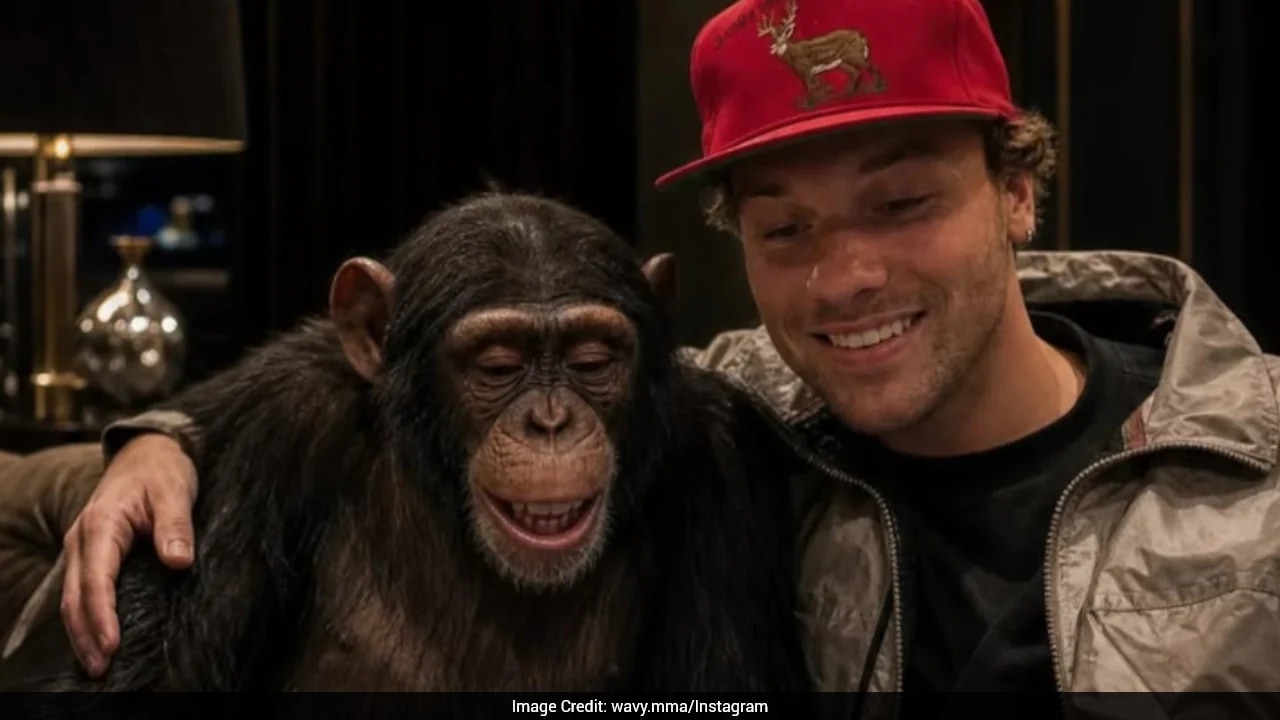
People love ridiculous hypotheticals. Put an elite mixed martial artist in a cage with a wild primate and watch the internet lose its mind. Social media thrives on this garbage. You see endless comment sections arguing about bite force, raw strength, and animal fury versus human technique.
It is a stupid conversation.
A famous athlete floated a wild fight plan involving a chimpanzee, sparking months of digital chatter about primate versus human combat. But once you strip away the circus atmosphere, the story takes a sharp turn. The athlete walked back the bravado and pointed a finger at a far more urgent reality. We shouldn't be booking fantasy matchups against our closest evolutionary cousins. We should be keeping them alive in the wild.
Let's look past the viral headlines and talk about why this whole debate is absurd. We also need to talk about why the sudden shift toward conservation actually matters.
The Physical Reality of Human Versus Primate Combat
Anyone who thinks a human fighter stands a chance against an adult chimpanzee lives in a fantasy world. Movies and cartoons lie to you. They make animals look like human bodybuilders wearing fur.
The truth is terrifying. A chimpanzee is built like a hydraulic press wrapped in leather and coarse hair. Pound for pound, an adult chimp has roughly 1.3 to 1.5 times the upper body strength of an average human. When you scale that up to a trained athlete, the raw power gap doesn't shrink. It widens. Chimps possess dense muscle fibers packed with fast-twitch power designed for tearing through jungle canopies and breaking branches.
If you step into a physical confrontation with an adult male chimpanzee, you aren't facing a smaller opponent who lacks strategy. You are facing a creature with:
- Massive canine teeth capable of inflicting devastating puncture wounds.
- Hands built to grip, twist, and rip flesh rather than throw technical boxing combinations.
- Zero regard for sportsmanship, rules, or weight classes.
An MMA fighter relies on referee stoppages, gloves, and rule sets. A wild animal relies on absolute survival instincts. A single bite can sever a tendon. A wild grab can tear a human face apart in seconds. Athletic conditioning means nothing when your opponent treats your forearm like a chew toy.
The internet debate treats this like a fantasy booking. It treats the animal like a video game character with a health bar. Real life doesn't work that way. The fight would end in seconds, and it would not favor the human wearing the shorts.
Why Athletes Keep Inviting These Ridiculous Comparisons
Combat sports culture breeds a strange kind of invincibility complex. When you spend years training to dominate other human beings within a specific weight limit, your perception of physical limits gets warped. You start to view yourself as apex predator material.
Fighters love testing boundaries. They talk about fighting bears, gorillas, or lions with straight faces. It is part marketing, part ego, and part genuine curiosity. Fans eat it up because it feeds the gladiator narrative. We treat modern athletes like modern-day gladiators, so we naturally want to pit them against the mythological beasts of the old world.
Yet, public figures have massive megaphones. When an elite fighter opens their mouth about wanting to test skills against a wild animal, millions of impressionable fans listen. That is where the responsibility kicks in. Normalizing the idea of interacting with, challenging, or exploiting wild animals sets a dangerous cultural baseline.
Thankfully, the narrative shifted. Instead of doubling down on the ego trip, the athlete in question pivoted hard. They used the media attention to highlight the fragile state of chimpanzee populations across the globe.
The Real Threat Facing Chimpanzees Today
While armchair analysts debate whether a rear-naked choke works on a primate, real chimpanzees face existential threats that have nothing to do with cage fighting.
Wild chimpanzee populations across equatorial Africa are plummeting. According to data from the International Union for Conservation of Nature, chimpanzees are officially classified as endangered. Their numbers have crashed drastically over the last several decades due to three main drivers:
- Habitat Destruction: Logging, mining, and agricultural expansion are slicing through rainforests. Forests are shrinking into isolated pockets, trapping groups of animals and cutting off natural migration corridors.
- The Illegal Pet Trade: Poachers routinely kill mothers to capture infants for the illegal exotic pet trade. Most infants don't survive the trauma of capture and transport.
- Poaching and Bushmeat: Direct hunting for meat continues to wipe out local populations, even in protected areas where enforcement remains weak.
When an athlete stops talking trash and starts talking about anti-poaching units, wildlife sanctuaries, and habitat preservation, it changes the conversation. It hijacks the garbage viral moment and turns it into a teachable moment. We don't need to fight wildlife. We need to fund the people protecting them from extinction.
How to Channel Your Fascination Into Actual Impact
If you find yourself reading about animal behavior, evolutionary biology, or wildlife conflicts, don't let it stop at a comment section. Curiosity is fine, but passive scrolling does nothing for the animals caught in the middle of human expansion.
You can take concrete steps right now to support wildlife conservation without ever stepping foot near a jungle:
- Audit Your Consumer Habits: Look at where your everyday goods come from. Palm oil production is a massive driver of deforestation in regions where primates live. Support brands that use certified sustainable palm oil or avoid it entirely.
- Support Accredited Sanctuaries: Organizations like the Pan African Sanctuary Alliance coordinate rescue efforts across Africa. They take in orphans of the bushmeat and pet trades, rehabilitate them, and fight for their protection. Donate directly to these boots-on-the-ground groups.
- Cut Out Illegal Wildlife Tourism: If you travel to regions with captive wildlife, refuse to pay for photo-ops with baby primates or performances. These industries fuel the illegal capture of wild infants.
- Amplifying Conservation Voices: Share accurate, science-based information about habitat loss instead of sharing sensationalized viral videos that treat wild animals like circus props.
Stop treating wildlife like a novelty act or a hypothetical opponent. The real fight isn't happening in a cage. It is happening in the shrinking forests of the world, and the animals are losing badly. It is time to care about the outcome before the option disappears entirely.