Big Tech has a math problem, and it isn't something their algorithms can solve.
Silicon Valley planned to spend over $650 billion this year to expand artificial intelligence infrastructure. Hyperscalers mapped out massive, gigawatt-scale campuses to house the silicon driving the AI boom. But if you look at the physical construction sites, the reality looks completely different. Nearly half of the massive data centers scheduled to open this year are sitting in regulatory limbo, delayed or quietly abandoned.
A recent analysis by Sightline Climate reveals that between 30% and 50% of the 16 gigawatts of global data center capacity slated for this year faces major delays. While the tech industry likes to blame these bottlenecks on electrical equipment shortages or overextended energy grids, a quiet revolt is happening on the ground. Coordinated local opposition, rezoning battles, and unexpected legislative moratoria have blocked or delayed projects worth nearly $130 billion this year alone.
The land grab for computing power has hit a wall made of angry neighbors, anxious utility boards, and local politicians who don't care about training the next frontier AI model.
The Myth of the Unstoppable AI Buildout
For the past two years, tech executives acted like building a data center was as simple as buying land and plugging into the wall. It turns out that communities aren't thrilled about hosting windowless concrete blocks that use as much electricity as a small city.
Look at what happened in Michigan. A developer quietly moved to rezone land for a massive $1 billion data center linked to Meta. On paper, it looked like a done deal. In reality, local residents spent months fighting back over massive water usage, strains on the local electricity grid, and a total lack of corporate transparency. The township didn't just reject the application; they instituted a six-month moratorium on all new data center proposals to rewrite their zoning rules from scratch. Meta ultimately pulled the plug on the project.
This isn't an isolated incident. Grassroots opposition has transformed from scattered neighborhood complaints into a highly organized, national political movement. Local opposition groups are now active across dozens of states. Mainstream political bodies are taking notice. The Maine House of Representatives recently passed a strict moratorium on large-scale data center developments through 2027.
When you look at the numbers, the geographic distribution of these delays shows exactly where the friction is highest:
- Arizona: 7 major projects delayed or canceled, totaling $15.7 billion
- Virginia: 32 projects stalled or blocked, worth $13.8 billion
- Ohio: 33 projects hit with delays, valued at $10.6 billion
- Indiana: 18 projects on hold, valued at just under $10 billion
Why the Grid Can No Longer Keep Up
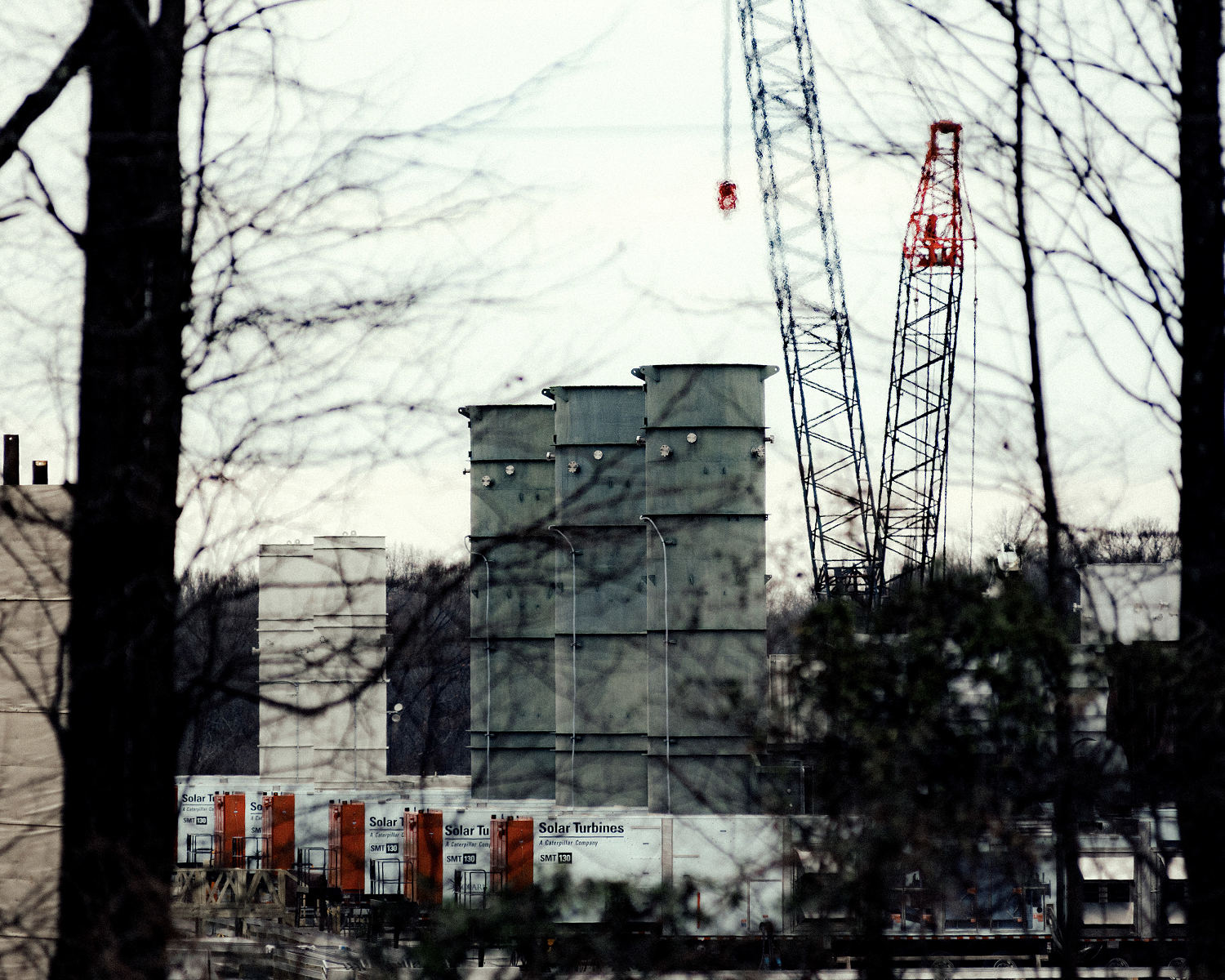
Even if a tech giant manages to pacify a local zoning board, they still have to face the local utility company. The sheer volume of power these facilities demand is breaking the electrical grid.
Out of the 140 massive projects scheduled to come online this year, a staggering 25% haven't even disclosed how they plan to get their power. Only about 5 gigawatts of the planned 16-gigawatt pipeline are under active construction. The rest are stuck in interconnected grid queues that now stretch between four and seven years in major hubs like Northern Virginia, Phoenix, and Dallas.
The grid simply wasn't built for this level of concentrated load. In the largest US power market, massive data center additions contributed to a staggering 76% spike in capacity prices. Local consumers are realizing that tech companies are driving up their monthly electric bills, which fuels even more political resistance.
Some hyperscalers are trying to bypass the grid entirely by designing hybrid systems that combine grid connections with on-site generation like natural gas or small modular nuclear reactors. But these off-grid systems take years to design, permit, and construct. They don't solve the immediate pressure to get chips online this quarter.
The Physical Supply Chain Bottleneck
Let's say a developer clears the political hurdles and secures a power contract. They still can't build because they can't get parts.
Everyone talks about the shortage of advanced AI chips, but the real crisis is in boring industrial hardware. High-power electrical transformers, switchgear, and industrial battery systems are facing unprecedented lead times. Before 2020, ordering a high-capacity transformer took roughly two years. Today, that waiting list stretches up to five years.
When your software deployment cycle moves at a breakneck pace of 18 months, waiting five years for a piece of copper and steel electrical equipment ruins the entire business plan. Western tech companies are trying to reduce their reliance on cheap supply chains from China, but domestic factory capacity can't scale fast enough to meet the demand. If a single transformer fails to show up on a flatbed truck, the entire $1 billion site sits completely empty.
What This Real Estate Slowdown Means for Tech
This infrastructure wall is forcing a massive reality check on AI financial models. Tech companies are realizing that capital is no longer the main constraint. You can have a multi-billion dollar budget, but you still can't bend the physics of grid capacity or the speed of local government zoning approvals.
Even the most highly publicized mega-projects are stumbling. OpenAI's massive Stargate project—a rumored $500 billion infrastructure play backed by SoftBank and Oracle—has shown virtually no physical construction progress at its planned Texas sites. When even the most well-funded projects in tech history are getting slowed down by supply chains and local energy realities, smaller cloud providers and new startups stand almost no chance of delivering their capacity on time.
If you are a tech leader, developer, or investor, you need to adjust your strategy immediately to survive this infrastructure freeze:
- Stop betting on optimistic deployment timelines: If your business model relies on a new data center site opening within the next 18 months, change your plan. Assume a minimum 36-to-48-month window for any project that doesn't already have a physical foundation poured and a secured power drop.
- Audit your infrastructure providers down to the utility level: Don't just trust a cloud vendor's marketing materials about upcoming regions. Demand transparency on their power purchase agreements, local zoning status, and hardware lead times.
- Pivot toward regional diversification: The days of clustering everything in Northern Virginia or Phoenix are over. Look for capacity in secondary or tertiary markets where local grids have excess headroom and municipal governments are still actively seeking industrial investment.
The AI boom isn't ending, but its physical expansion has hit a hard ceiling. The companies that win the next phase of tech infrastructure won't just be the ones with the best code—they'll be the ones who know how to talk to local town councils and secure a physical power line.

:max_bytes(150000):strip_icc()/Logistics-db9279223e6c4ccbbdd7b891f20a056e.jpg)