For years, the final phone calls of five-year-old Hind Rajab trapped in a bullet-riddled car served as a haunting reminder of the brutal human cost of the Gaza war. Now, the Israel Defense Forces have officially acknowledged firing on the vehicle carrying her and her family, alongside a separate incident involving the killing of 15 emergency and aid workers. The decision by the military's legal branch to launch criminal investigations through the Military Police Criminal Investigation Division marks a major shift. Yet, skepticism remains widespread.
A Long-Delayed Shift in Accountability
The announcement arrived after a review by the military's Fact-Finding and Assessment Mechanism, which wrapped up approximately 150 administrative files. Out of those reviews, criminal probes were greenlit for only two high-profile events.
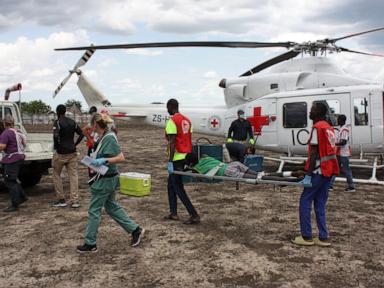
The first centers on January 2024, when Hind Rajab, her aunt, uncle, and four cousins attempted to flee Gaza City. Their car came under fire from Israeli troops. Her 15-year-old cousin, Layan Hamada, managed to call the Palestine Red Crescent Society emergency dispatch before gunfire abruptly silenced her. An ambulance sent to rescue the child was subsequently struck, killing the two onboard medics.
The second criminal probe targets the March 2025 killings of 15 paramedics and rescue personnel in Rafah. Video footage and survivor testimonies revealed that troops fired on multiple clearly marked emergency vehicles attempting to recover casualties, later burying the remains and crushed vehicles.
Why Human Rights Groups Aren't Celebrating
Skepticism from legal experts and human rights organizations is immediate and sharp. Past internal probes within military legal systems rarely translate into meaningful indictments or convictions. Dan Owen, a researcher with the Israeli human rights organization Yesh Din, noted that only a tiny fraction of military investigations over the last decade resulted in actual charges.
Political pressure inside Israel heavily influences these outcomes. Prime Minister Benjamin Netanyahu's far-right coalition routinely pushes back against holding soldiers accountable. When military personnel face accusations of misconduct, political allies frequently label them heroes who should be shielded from prosecution. Critics argue that opening a handful of criminal inquiries after years of international pressure is a strategy designed to stave off independent international courts rather than deliver actual justice.
The Cases Left Out
Equally telling is what the military chose to ignore. In the same blanket announcement, the Israel Defense Forces stated that no criminal investigations would be opened into three other deadly attacks involving humanitarian workers.
This includes the high-profile April 2024 strike that killed seven aid workers with World Central Kitchen, as well as multiple separate incidents involving staff from Doctors Without Borders. Military authorities concluded there was no reasonable suspicion of criminal misconduct in those cases, despite fierce international outcry. By drawing a strict line between a select few disasters and dozens of others, the military retains control over the narrative of wartime conduct.
The Demand for Independent Inquiry
Family members of the victims and international bodies argue that internal military investigations cannot be trusted to police themselves. Hind Rajab's grandmother has repeatedly called for an international investigation to uncover the full truth. Advocacy groups like the Hind Rajab Foundation continue tracking soldiers overseas to pursue accountability through foreign legal jurisdictions.
The path from a military police investigation to a formal indictment remains long and steep. Past precedent suggests that even when investigations open, they rarely satisfy demands for transparency. The decision to probe the death of a five-year-old girl and her rescuers acknowledges what happened on the ground, but real accountability is still entirely out of reach.