You shouldn't be surprised by the revelations coming out of the federal courtroom in Oakland, California. A landmark trial brought by dozens of state attorneys general has put Meta squarely in the crosshairs. The core accusation is brutal and straightforward: the tech giant deliberately engineered Facebook and Instagram to hook kids while ignoring internal research about severe mental health harms and online predators.
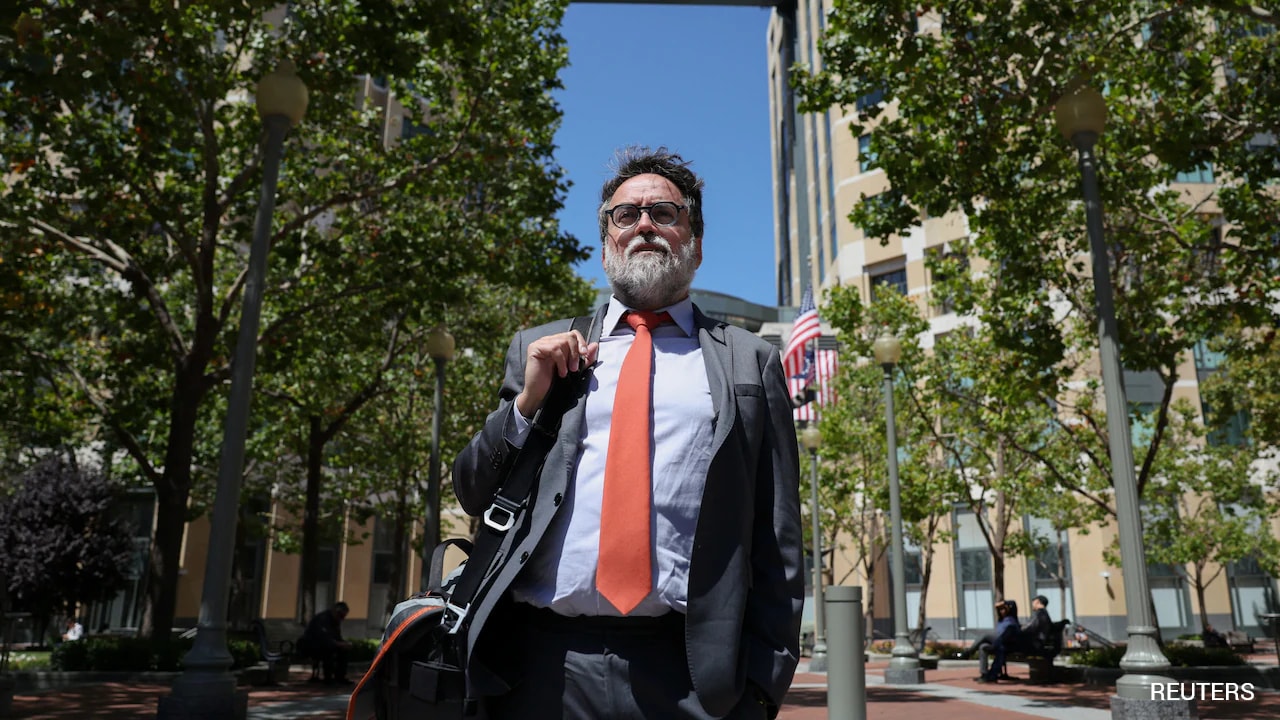
The government's star witness is Arturo Béjar, a former Meta engineering director who spent years working on safety features. His testimony cuts deeper than standard corporate critique because he lived inside the machine. He didn't just study algorithms from a distance. He watched the safety failures hit his own family.
The Reality Behind the Screen
Béjar took the stand and told jurors about his 14-year-old daughter. Shortly after joining Instagram, she started receiving unwanted requests for explicit pictures and sex from strangers. She also faced misogynistic insults.
For most parents, discovering this is a nightmare. For Béjar, it was a horrifying validation of internal company data he already knew existed.
During his time at Meta, Béjar conducted internal surveys regarding teen user experiences. The numbers were staggering. Roughly half of the teenagers surveyed reported having negative or harmful experiences on Instagram within a single week. When those teens tried to report the abuse through standard platform channels, the offending content was addressed a mere fraction of the time.
Meta took a passive approach to kids under 13 sneaking onto the platform. Critics call it a "don't ask, don't tell" strategy. Millions of underage accounts populate the ecosystem, and enforcing strict age verification cuts into daily active user metrics.
Where the Blame Lands
Meta denies all wrongdoing. Attorneys representing the company argue that management is sensitive to teen safety issues, pointing to optional features like quiet mode and safety toolkits rolled out over recent years. They cross-examined Béjar about his own choices, pressing him on why his daughter maintained a public account focused on cars even after dealing with online harassment.
Béjar's answer was simple. Parenting meant helping her navigate a broken environment, not pretending the threat didn't exist.
The real issue isn't whether individual parents can manage individual feeds. The real issue is architectural. Features like infinite scroll, video autoplay, and numeric like counters are designed to maximize time on site. More time means more ad impressions. More ad impressions mean more revenue.
Béjar testified that CEO Mark Zuckerberg maintained a top-down culture where growth always trumped safety. When internal researchers flagged alarming mental health trends or predator exposure among teens, leadership moved slowly on fixes that might hurt engagement. Yet, when Zuckerberg wanted a product change implemented for business reasons, the company moved mountains in weeks.
What Happens Next for Platforms and Parents
This trial is scheduled to run for weeks, and testimony from top executives like Instagram head Adam Mosseri and Zuckerberg himself will paint a clearer picture of corporate accountability. If the court finds Meta liable, the financial penalties could reach astronomical sums, and federal judges could force structural redesigns on how social apps serve minors.
Waiting around for Silicon Valley to ethically self-correct is a losing game. If you have kids navigating these apps, don't rely on optional safety settings that kids can easily bypass. Keep open lines of communication about the garbage they encounter online, audit their privacy settings manually, and treat social media engagement like the calculated corporate product it actually is.