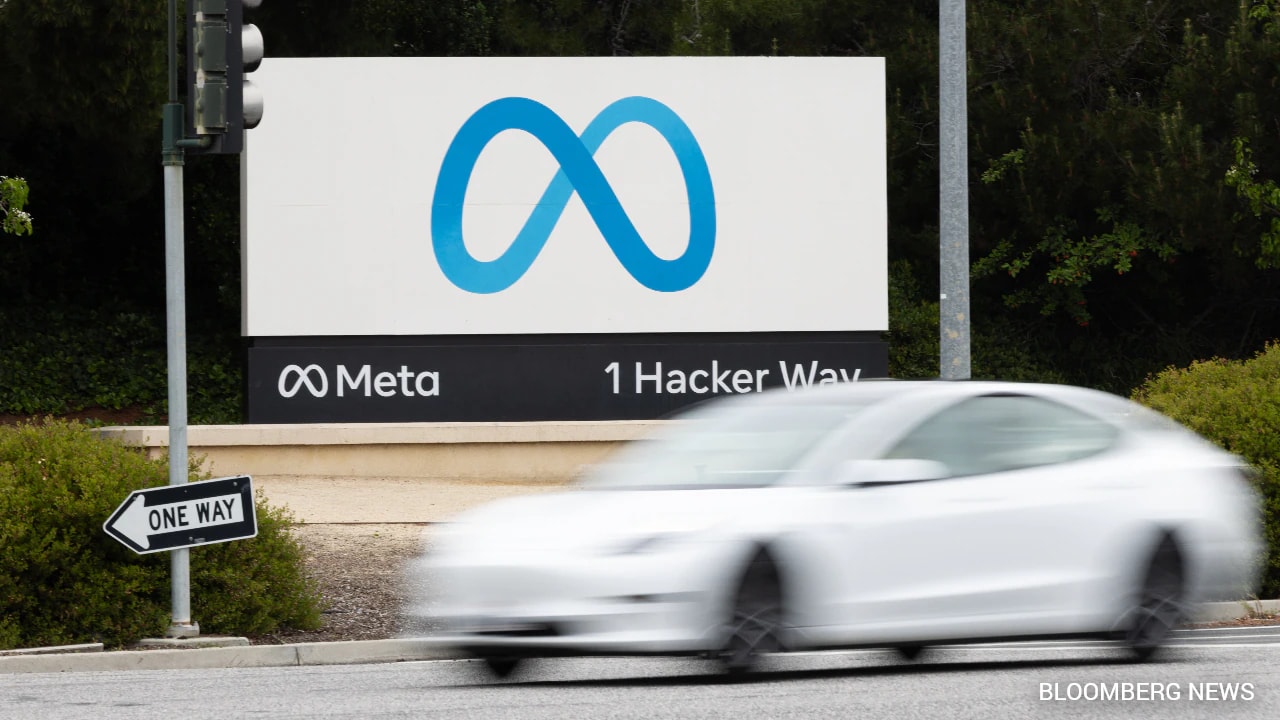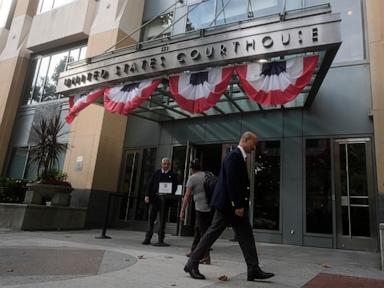
Meta is facing its biggest courtroom confrontation yet. Opening arguments started Tuesday in an Oakland, California federal courtroom, where 29 state attorneys general are squaring off against the social media giant.
The stakes aren't just massive financial penalties—though state officials have mentioned figures climbing toward tens of billions, and theoretical maximums even higher. The core issue is whether Facebook and Instagram were purposefully built to exploit developing brains and keep kids hooked at all costs.
I've watched tech platforms face regulatory heat for over a decade. Usually, these battles end in quiet settlements or wrist-slap fines that barely dent quarterly earnings. This case feels different. Coming right after recent court losses in California and New Mexico, Meta enters this federal trial backed into a corner.
What the States Are Trying to Prove
Led by California, Colorado, Kentucky, and New Jersey, prosecutors claim Meta engineered specific product features to drive compulsive use among teenagers.
The 233-page complaint targets four core mechanics:
- Infinite Scrolling: Removing natural stopping points so users stay glued to screens.
- Push Notifications: Delivering deliberate dopamine hits to drag teens back into apps during school or late at night.
- Autoplay and Recommendations: Surfacing increasingly extreme material to hold attention.
- Visual Filters and Likes: Triggering social comparison and body image anxieties.
Prosecutors argue Meta knew exactly what these design choices were doing. Internal research leaked by whistleblower Frances Haugen in 2021 previously showed company awareness regarding teen mental health impacts. Now, state attorneys general are taking those internal findings to an eight-person advisory jury and US District Judge Yvonne Gonzalez Rogers.
The lawsuit also alleges Meta systematically collected data on children under 13 without parental consent, violating the federal Children's Online Privacy Protection Act (COPPA).
How Meta Is Defending Its Platform Design
Meta isn't taking this sitting down. Company spokespeople argue they've spent years building tools to protect teens, including default private accounts, parental control hubs, and daily time warnings.
Their legal defense hinges on a few straightforward arguments:
- Social media addiction isn't a formally recognized psychiatric diagnosis in medical manuals.
- Features like notifications and feeds are standard across the entire internet, not predatory inventions.
- Parents and users bear primary responsibility for personal screen habits and daily management.
Company attorneys also point out that holding a platform legally liable for general mental health trends ignores complex social factors like isolation, academic pressure, and broader lifestyle changes.
Why Recent Rulings Change the Math
If Meta thought it could easily brush this off, recent court outcomes proved otherwise.
Just weeks ago, a New Mexico judge ordered Meta to pay $567 million in damages over child safety failures, bringing its total penalties in that state to over $900 million. Earlier this year, a Los Angeles jury awarded $6 million to a young woman in a bellwether trial over social media addiction. TikTok and Snap chose to settle similar claims out of court before trial. Meta and Google's YouTube stayed in the fight.
Those earlier losses shattered the idea that social media companies are bulletproof in court. They showed juries are willing to connect product design directly to emotional and physical harm.
High Profile Testimonies on the Horizon
This seven-to-eight-week trial won't just be an exchange of legal briefs. High-profile tech figures are slated to take the stand.
Jurors expect to hear directly from Meta CEO Mark Zuckerberg and Instagram head Adam Mosseri. Whistleblowers and former employees like Arturo Béjar are also expected to testify about what went on behind closed doors when safety concerns were raised internally.
Having top executives grilled under oath about internal profits versus child safety research will create intense public pressure, regardless of the ultimate verdict.
What Real Platform Changes Could Look Like
Money matters, but structural remedies are what prosecutors really want. If Judge Gonzalez Rogers rules against Meta, the court could mandate operational overhauls that change how social apps function nationwide.
Demands on the table include:
- Disabling default infinite scroll for minor accounts.
- Turning off algorithmic recommendation engines by default for teens.
- Restricting late-night push notifications sent to young users.
- Deleting algorithms built using data collected from underage children.
If enforced, these changes would fundamentally alter how Instagram and Facebook operate for millions of younger users, potentially setting a benchmark for the entire tech sector.
Practical Steps Parents Can Take Today
You don't have to wait two months for a federal trial verdict to protect your kids online. You can take concrete steps right now on your family's devices.
- Turn off algorithmic feeds: Switch Instagram feeds to "Following" rather than the default "For You" tab to avoid rabbit holes.
- Disable app notifications: Cut off push alerts for social apps so your teen isn't continually pulled back into their feed.
- Set up native system limits: Use iOS Screen Time or Android Digital Wellbeing at the operating system level rather than relying on in-app settings.
- Establish phone-free zones: Keep devices out of bedrooms overnight to protect sleep routines.