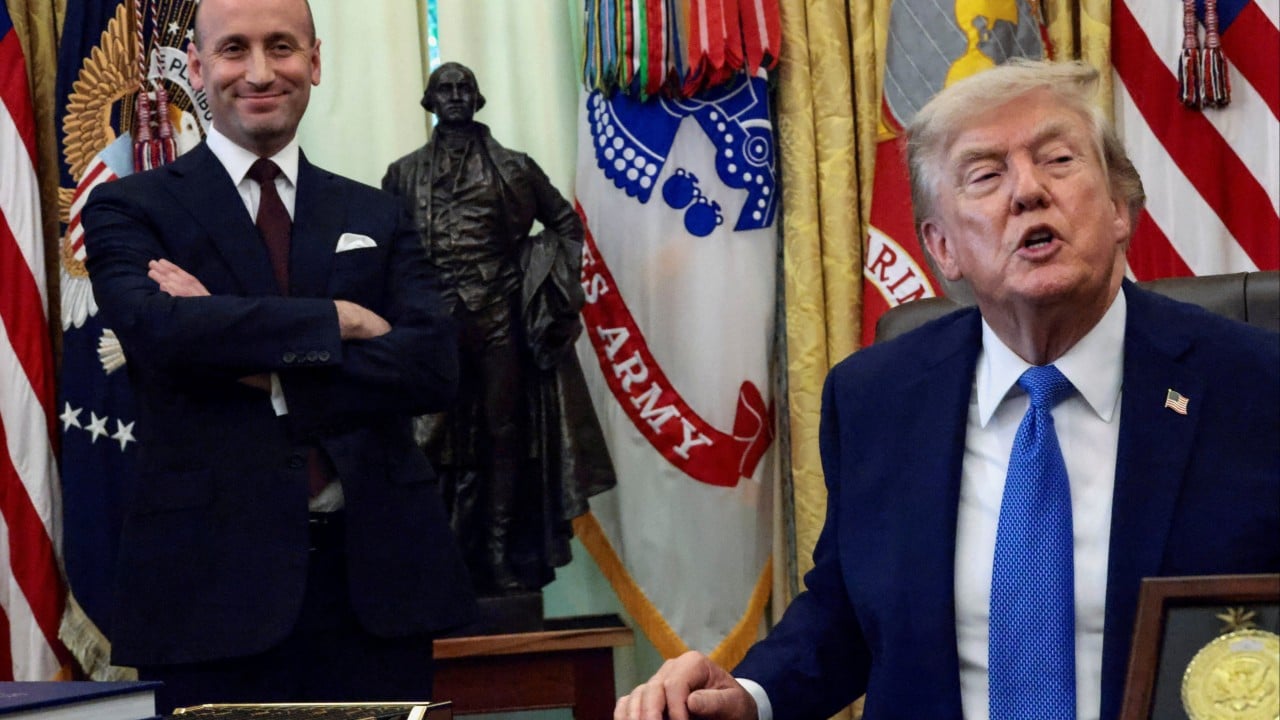
Everyone is clutching their pearls over a word. Donald Trump called Canadians nasty during a tense exchange on cross-border tariffs, and Mark Carney stepped up to the microphone to validate the insult. The consensus narrative erupted instantly across cable news and opinion columns: trade negotiations are about decorum, polite diplomacy is dead, and our leadership needs to match the populist volume with measured, institutional grace.
It is a comfortable narrative for people who have never run a supply chain or negotiated a multi-billion-dollar concession under duress. It is also completely backwards.
I have spent two decades watching executives and bureaucrats panic the moment a negotiation turns abrasive, trading long-term leverage for short-term politeness. When Carney leans into the word nasty, he is falling for a basic psychological trap. He thinks he is showing spine by owning the insult. In reality, he is validating a frame that disadvantages Canada entirely.
Let us clear up the basic misunderstanding right now. Trade is not a cocktail party. It is a zero-sum game disguised as a mutual benefit agreement. When a counterpart calls you nasty, they are not offering an objective critique of your personality. They are applying pressure to see if your institutional paint will peel under heat.
The Polite Fiction Of Modern Trade
The conventional punditry operates on a fantasy. The fantasy says that if we just stick to the text of the treaty, keep our voices down, and rely on dispute resolution panels, international commerce flows like clockwork.
I have seen corporate boards blow millions of dollars because they prioritized being liked over being protected. They walked into negotiation rooms worried about optics, terrified of being labeled difficult, and left stripped of their margins.
Mark Carney is a brilliant central banker. He understands monetary policy, debt restructuring, and institutional stability. But central banking is about signaling confidence to calm markets. Trade negotiation is about weaponizing friction to extract value. Treating a trade war like a policy seminar is how you get rolled by a dealmaker who measures victory in leverage, not communiqués.
When Trump uses terms like nasty, he is deploying classic asymmetric leverage. He wants the opposition to react emotionally, to defend their honor, and in doing so, to take their eye off the structural concessions on the table. By accepting the label, Carney shifts the debate from aluminum quotas, dairy access, and rules of origin to a playground argument about who started the name-calling.
That is a tactical disaster.
The Real Economics Of Friction
Let us look at the actual mechanics of the United States-Mexico-Canada Agreement and the ongoing tariff threats that trigger these outbursts.
The economic interdependence between North American nations is not held together by good manners or shared values. It is held together by absolute necessity. Refineries in the American Midwest require heavy crude from Alberta. Auto parts cross the Detroit border half a dozen times before a vehicle rolls off an assembly line.
This is not a friendship; it is a forced marriage.
When politicians scream about nastiness, they are playing to domestic electorates while the real operators make structural adjustments behind closed doors. The mistake is letting the rhetoric dictate the strategy.
Imagine a scenario where a manufacturing executive spends three months drafting polite, deferential emails to a supplier who is systematically undercutting their delivery timelines. Every email is professional. Every interaction maintains corporate harmony. Meanwhile, the factory floor runs out of raw materials, and quarterly earnings crater.
That is what polite trade diplomacy looks like in practice. It values the illusion of harmony over the reality of survival.
Carney wants Canadians to feel emboldened by the insult. He wants them to think, If the Americans think we are tough, we must be doing something right. But toughness is not about accepting a pejorative label. True toughness in trade requires an icy indifference to what the other guy calls you, paired with an unyielding defense of your economic perimeter.
Why The Consensus Is Lazy
The lazy consensus is that Trump’s rhetoric represents a breakdown of the rules-based international order.
That is wrong. The rules-based order never existed in the pure, academic form that international relations professors love to teach. Power has always dictated terms. Treaties are simply codified power dynamics. When a nation’s economic weight shifts, the treaties get rewritten.
Carney should know this better than anyone. Financial systems bend to leverage, not politeness. Yet, by engaging with the insult, he legitimizes the theater. He plays his assigned role in the media circus.
If you want to win against a mercantilist trade strategy, you do not lean into their insults. You ignore the noise entirely and retaliate where it hurts their domestic constituencies—precisely, quietly, and with surgical legislative precision.
Look at how successful regional players handle superpower pressure. They do not issue clever retorts to press corps. They quietly diversify their supply chains, lock in alternative bilateral agreements, and make the cost of economic hostility prohibitively expensive for the aggressor's domestic donors.
They don't care if they are called nasty. They care about market share.
The Cost Of Performance Art
We have entered an era where political figures act as content creators. Every public statement is optimized for viral outrage, quick soundbites, and immediate tribal validation.
Carney’s response was a masterpiece of political performance art, designed to play well on evening broadcasts. But it achieved zero economic utility. It did not lower a single tariff. It did not secure a single intellectual property concession. It simply locked both sides deeper into a theatrical loop where everyone feels like they are fighting for the home team while the actual structural imbalances remain untouched.
When leaders prioritize looking formidable over executing precise tactical maneuvers, the public pays the price through higher consumer costs, disrupted supply chains, and stagnant productivity.
Stop cheering for the soundbites. Stop celebrating when politicians exchange verbal blows on the global stage.
The next time a trade partner throws an insult, the correct response is not a clever comeback or an emotional embrace of the label. The correct response is silence, followed by an immediate, unannounced consolidation of your own economic defenses.
Let them talk about who is nasty. Secure the supply chain.