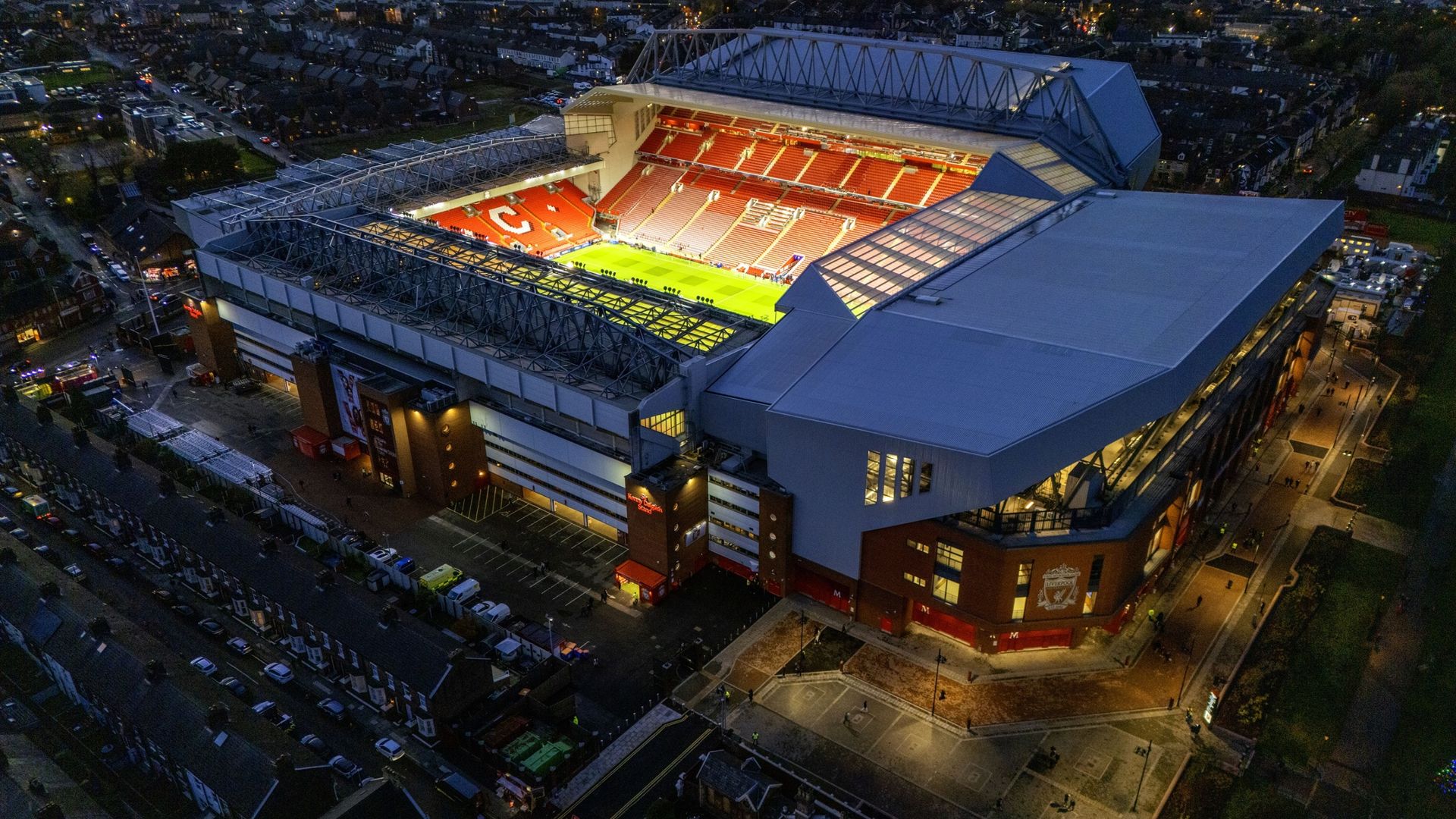
The air inside the stadium does not simply circulate. It presses. It is a physical weight, thick with humidity, charged with the collective nervous energy of eighty thousand people waiting for a god to fall or a mortal to rise.
Down on the grass, the grass smells of fresh cut blades and sweat. To the casual viewer sitting in cool air conditioning thousands of miles away, the referee is a target for scorn, a faceless figure in neon yellow who apparently woke up that morning with a personal vendetta against your favorite club.
Listen closely.
That whistle hanging from his neck is not just a tool. It is an anchor.
The Anatomy of a Second
Time bends under pressure. Ask any veteran official who has stood in the eye of a World Cup hurricane.
When a striker bursts through the defensive line, cleats churning the turf, the defender lunges. The tackle is reckless. It is high. It is late. To the observer at home, the decision takes a fraction of a second. Pause the DVR. Analyze the studs. Slow it down to frame by frame.
On the pitch, there is no replay monitor strapped to the official's face. There is only intuition forged in fire, muscle memory, and the deafening roar of a continent watching.
Consider a hypothetical official, let us call him Mateo, standing in the middle of a quarterfinal match under a merciless midday sun. Mateo’s heart rate is already hovering near one hundred and sixty beats per minute. His legs feel like wet concrete. He has already covered nine miles of ground.
Then, the collision happens.
In his ear, the audio crackle of the video assistant referee hums a quiet confirmation or a warning. But the ultimate weight rests on his shoulders alone. He reaches into his pocket. He pulls out the red card.
The color is violent against the green.
Red.
Instantly, the stadium erupts. Players surround him, veins bulging in their necks, screaming appeals into his face. They plead, they gesture, they curse. Mateo does not flinch. He learned long ago that if you blink, you lose control. And once control slips through your fingers, the match belongs to the chaos.
The Unseen Battle Against the Clock
We talk endlessly about tactics, formations, and transfer fees. We dissect every tactical shift made by managers pacing the technical area. Yet, we rarely speak of the biological marathon unfolding right alongside the players.
The modern game is faster than ever. Athletes are engineered titans, running farther and sprinting harder with every passing decade. The referees must keep pace with them, stride for stride, reading the play before it even develops.
This is where the quiet science of modern officiating enters the frame.
Hydration breaks are a relatively recent addition to the global stage, born from necessity in punishing climates where the human body begins to stage a mutiny against the environment. When the mercury climbs past brutal thresholds, the referee’s whistle blows not for a foul, but for survival.
Water bottles are thrust into hands. For sixty seconds, the noise of the world recedes.
Players gulp greedily, chests heaving. Coaches bark rapid-fire tactical adjustments from the sidelines. The referee takes a moment to regulate his own breathing, wiping salt from his brow, checking his communication headset. In these brief islands of silence, the human reality of the spectacle breaks through the corporate veneer of the tournament. These are not machines running on electricity. They are flesh and bone, enduring the exact same heat, the exact same fatigue, the exact same terror of failure.
Echoes Through the Decades
History is not a flat line. It is a series of echoes.
When you study the evolution of soccer history, you trace a direct line from chaotic, unregulated brawls in English public schools to the clinical, high-tech global industry we watch today. Referees used to wear dark blazers and trousers. They used to manage matches through sheer force of personality and gravelly voice alone, long before yellow and red cards were introduced to the international game in the late nineteen sixties to transcend language barriers.
Before those plastic rectangles existed, misunderstandings reigned. Fights broke out simply because a player from South America could not understand an official from Europe attempting to explain a caution in English.
The cards changed everything. They became a universal language. A red card is a sentence written in stark, unambiguous ink. It says: your night is over. Walk away.
Yet, even with a universal language, interpretation remains deeply human. Two referees will look at the exact same tackle and see two entirely different stories. One sees intent to injure; the other sees a mistimed attempt to win a bouncing ball.
This ambiguity is the eternal ghost haunting the sport. We crave absolute mathematical fairness in a game played by passionate, flawed human beings. We demand perfection from officials who are subjected to impossible angles, physical exhaustion, and psychological pressure that would crush most people within minutes.
The Walk Down the Tunnel
The final whistle blows.
The score is settled. One nation rejoices in the streets, lighting flares and singing songs that will echo until dawn. Another nation retreats into a sullen, heartbroken silence, searching for someone to blame.
The players swap jerseys, embracing old friends from rival club teams.
And the referee?
He walks off the pitch alone.
He does not get to celebrate a victory. He does not get to mourn a defeat with a comforting arm around his shoulder. He walks down the concrete tunnel, illuminated by harsh fluorescent lights, clutching his match ball or his notes.
In the quiet of the locker room, he peels off the soaked neon jersey. He checks his phone, knowing already that millions of strangers online are dissecting his every step, analyzing freeze-frames, questioning his integrity, his vision, his competence.
He sits down on the wooden bench, unties his boots, and rubs his aching calves.
The stadium outside is emptying out, the lights slowly clicking off one by one, leaving the grass dark and still until the next time the world stops breathing to watch a ball roll across the line.