Someone else does the grueling grunt work. Another person steps in at the last second, flashes a smile, and walks away with the prize. If that makes your blood boil, you aren't alone. Human history is packed with systems designed to let one group bleed another dry.
The Maldives, an island nation built on fishing and seafaring communities, captured this exact frustration centuries ago. They packaged it into a short, razor-sharp proverb.
Meeza madi kaany, mava vah thonny.
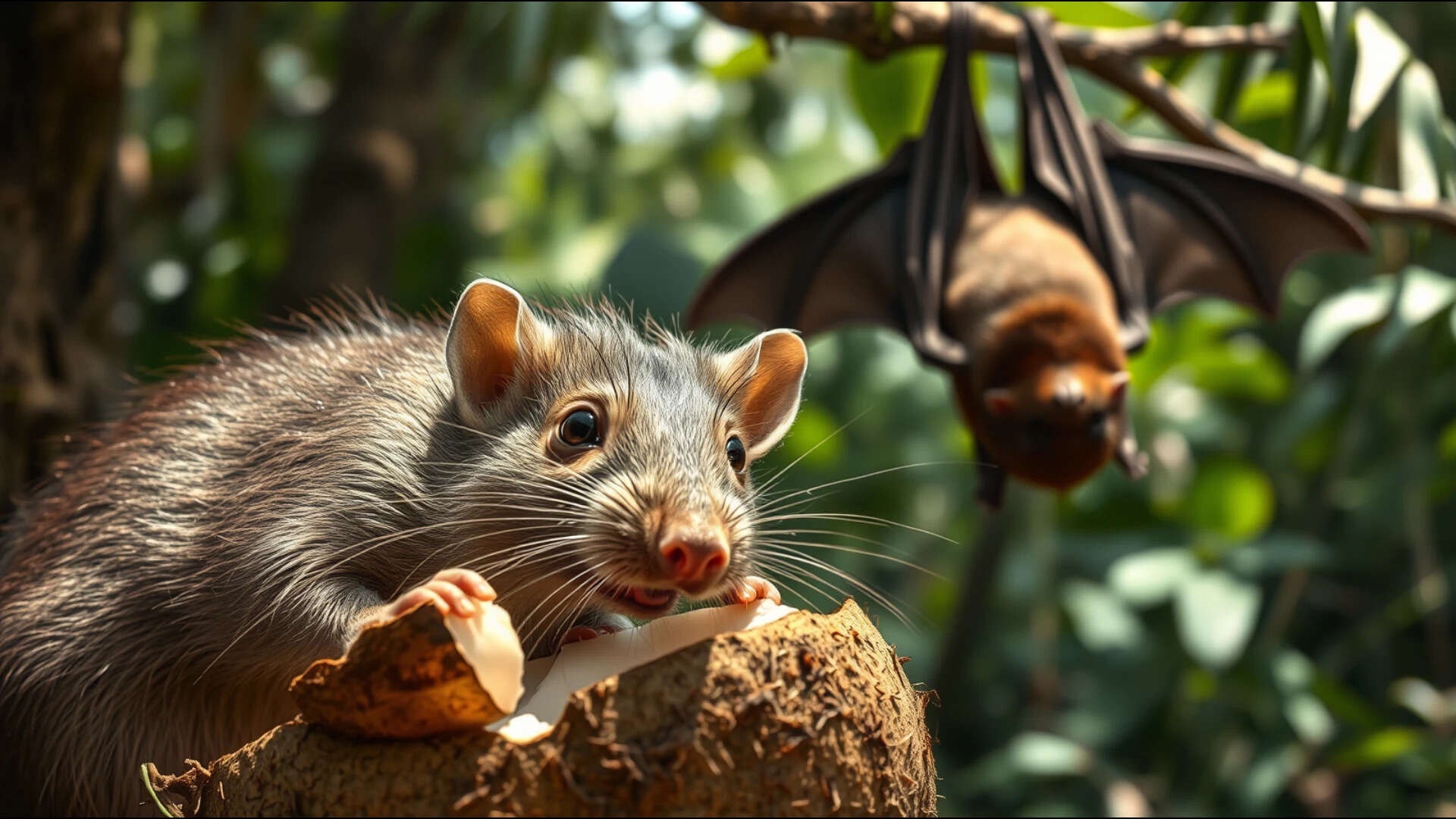
Translated literally, it means the rat gnaws into the young coconut, but the bat drinks the water.
It is a brilliant metaphor for exploitation. A rat spends hours chewing through the thick, fibrous outer husk of a green coconut. It does the heavy lifting. It ruins its teeth. Just as it finally punctures the inner shell to reach the refreshing water inside, a bat swoops in from above. The bat drives the rat away, tilts its head, and drinks the reward without having contributed a single second of labor.
This isn't just an old island saying about tropical pests. It describes a structural injustice that plays out every single day in corporate offices, creative industries, and global supply chains.
The Anatomy of the Coconut Thief
Look at how most modern businesses operate. The "rats" are the frontline workers, the freelancers, the entry-level engineers, and the junior designers. They put in the 80-hour work weeks. They ruin their mental health staring at spreadsheets at 2:00 AM. They literally gnaw through the hard problems.
Then you have the "bats." These are the executives who swoop in during Q4, slap their names on the presentation decks, and claim the performance bonuses.
A stark example of this played out during the recent restructuring waves across the tech sector. According to data tracked by Layoffs.fyi, tech companies laid off over 260,000 workers in 2023 and tens of thousands more through 2024 and 2025. In many cases, the very engineers who built the core features that drove record-breaking stock prices were discarded. Meanwhile, the CEOs who authorized the layoffs saw their compensation packages balloon through stock options. The rat chews; the bat drinks.
This dynamic thrives because our economic structures favor capital and positioning over actual labor. The person who owns the tree or possesses the wings to fly away always holds the leverage over the creature stuck on the ground chewing the wood.
Why We Let the Bats Win
We tolerate this injustice because exploitation rarely looks like a cartoon villain twirling a mustache. It wears a suit. It uses corporate buzzwords.
In creative industries, this happens through ghostwriting and uncredited production. A young, hungry writer accepts a low flat rate to pen a book for a celebrity. The writer pours their life experience, hours of research, and literal tears into the pages. The book hits the New York Times bestseller list. The celebrity goes on talk shows, discussing their "deeply personal writing process." The writer cannot even put the project on their resume due to a non-disclosure agreement.
Society accepts this because we've been conditioned to value the brand over the builder. We convince ourselves that without the bat's platform, the coconut water would just leak into the dirt anyway.
That is a lie used to justify wage theft and credit hogging.
Spotting the Signs Before You Start Chewing
If you don't want to spend your life chewing husks for someone else's benefit, you have to recognize the warning signs of an exploitative environment early.
- The "Exposure" Trap: If a client offers to pay you in visibility, exposure, or "future opportunities," they are a bat. Real value is exchanged for real currency.
- Asymmetrical Risk: Look at who suffers if the project fails. If you lose your job or your financial stability while the leadership team merely misses a milestone bonus, the system is rigged against you.
- Vague Credit Clauses: Contracts that strip away your right to claim your own work are immediate red flags.
Flipping the Script on Exploitation
You don't have to accept being the rat in this scenario. Reclaiming your labor requires a shift in how you value your output.
Stop giving away the final mile of your work. If you are doing the hard labor of solving a complex problem, ensure your name is indelibly attached to the solution. Build your own platform. If you write the code, understand the business logic behind why it sells. If you create the design, learn how to pitch it directly to the people who hold the budget.
When you control the distribution, the bats can't swoop in. You force them to negotiate on your terms, or you simply take your coconut elsewhere.


