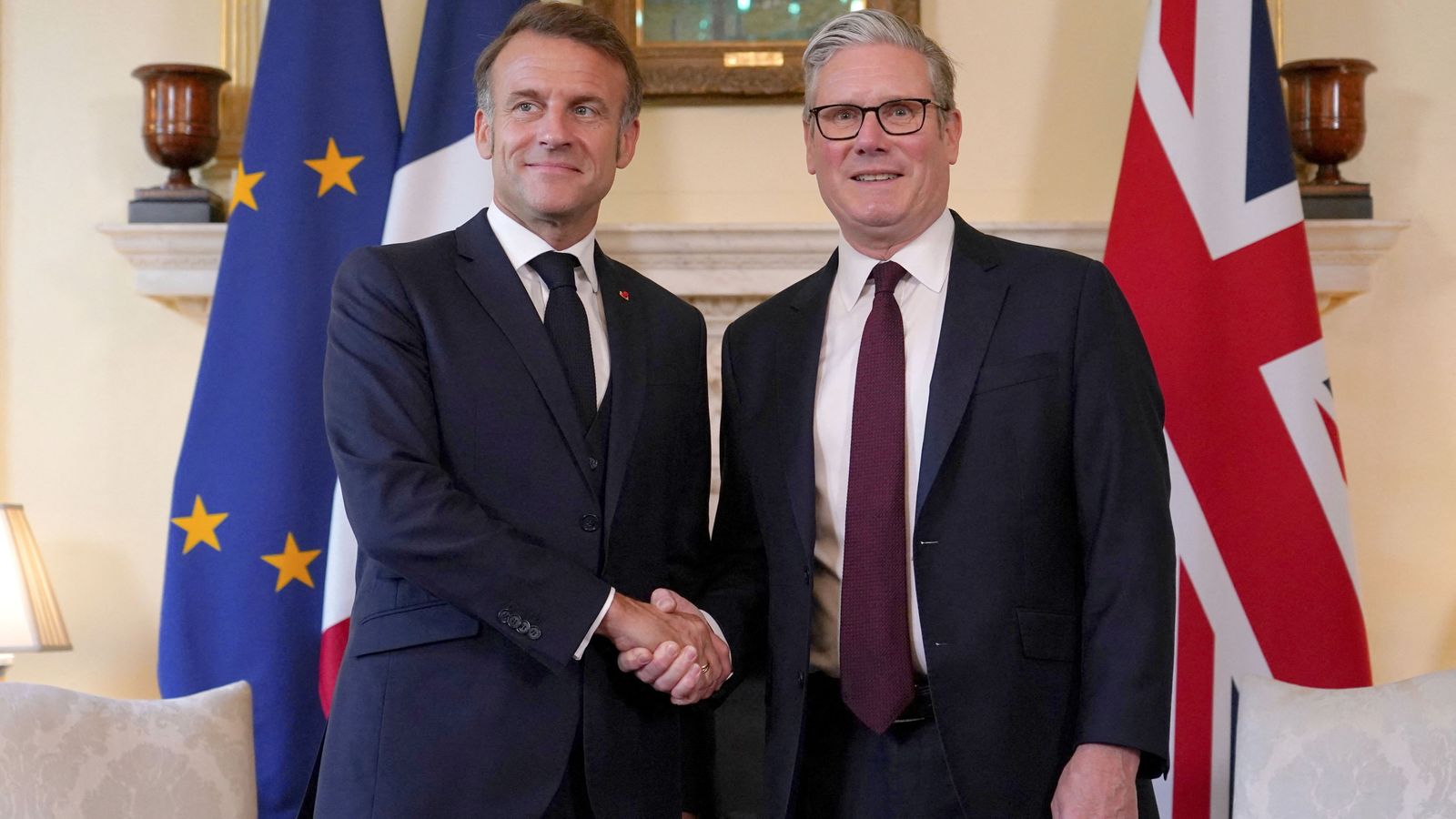
The global economy is currently being choked by a six-mile-wide strip of water, and frankly, Europe is tired of waiting for Washington to fix it. While the US and Israel remain locked in a high-stakes military standoff with Tehran, French President Emmanuel Macron and UK Prime Minister Keir Starmer have decided to take the lead. On Friday, they're hosting an emergency international summit aimed at one thing: getting the oil flowing through the Strait of Hormuz again without waiting for a final peace treaty that might never come.
It’s a bold, slightly desperate move. The Strait has been effectively closed since the war broke out on February 28, 2026. Iran slammed the door shut the moment the first strikes hit, and since then, energy prices have gone vertical. If you’ve tried to book a flight or noticed your grocery bill spiking lately, this is why. Macron and Starmer aren't just looking for a diplomatic handshake; they're laying the groundwork for a multinational maritime force that could act as a "third way" between Iran’s blockade and the US’s own aggressive counter-blockade of Iranian ports.
The European breakaway from the US strategy
For weeks, the US has been the primary actor, using its "maximum pressure" playbook to try and force Iran into submission. But from the perspective of Paris and London, that strategy is taking too long and costing too much. The "Strait of Hormuz Maritime Freedom of Navigation Initiative" being discussed today is notably missing one key participant: the United States.
This isn't a snub so much as a tactical calculation. By excluding the "belligerents"—meaning the US, Israel, and Iran—Macron and Starmer hope to create a neutral security corridor. The logic is simple. Iran is less likely to fire on a strictly defensive European and Asian fleet than on a US destroyer. It’s about de-escalation through presence rather than provocation.
- The Goal: Establishing a "non-belligerent" naval presence to escort tankers.
- The Participants: Around 30 countries, including Germany, Italy, and several Asian nations heavily dependent on Middle Eastern oil.
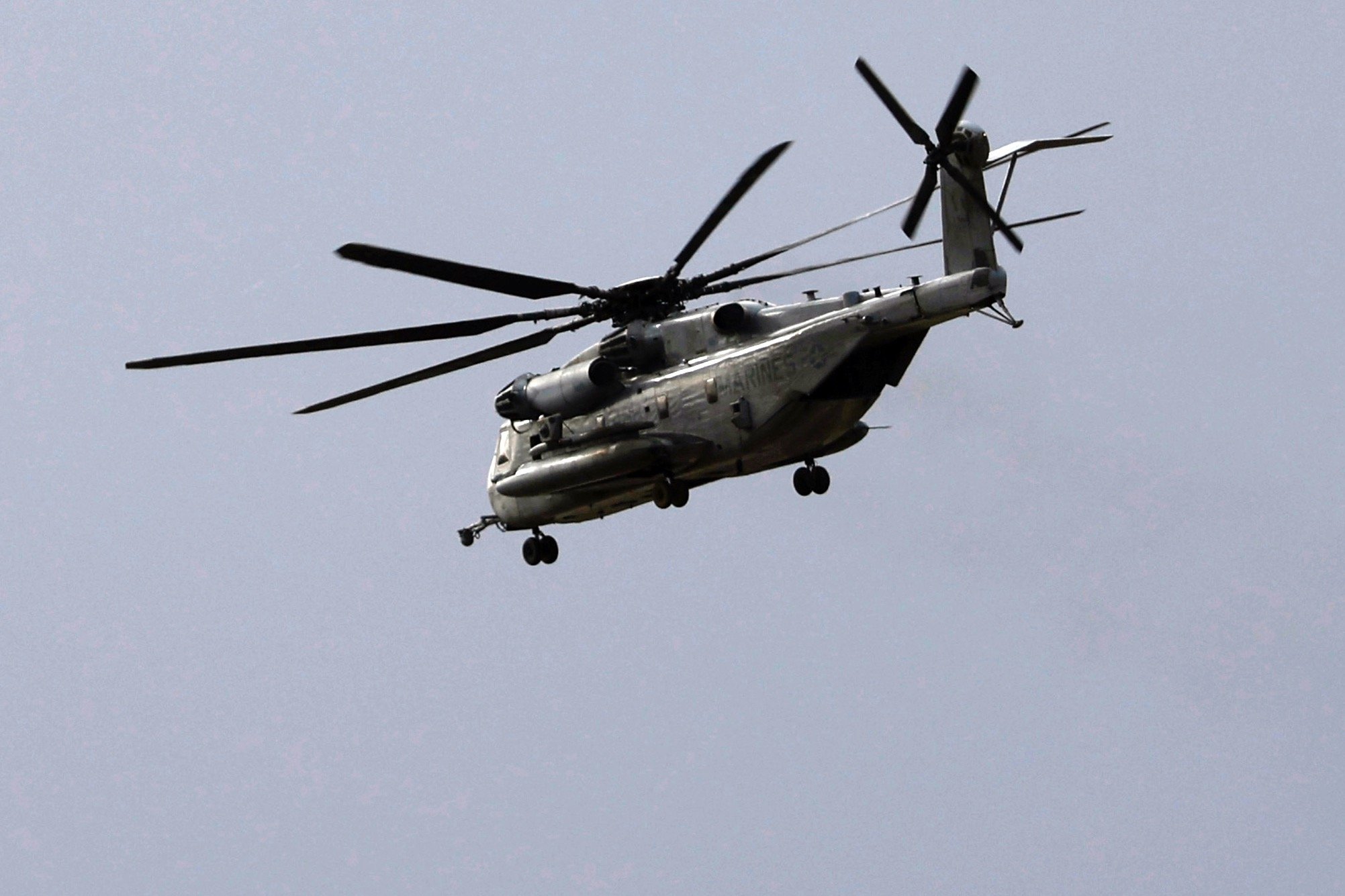
- The Mission: Mine clearance, intelligence sharing, and potentially physical escorts for commercial vessels.
Why the Strait of Hormuz matters more than the headlines suggest
Most people think of the Strait of Hormuz as just a line on a map. In reality, it's the jugular vein of the world’s energy supply. Roughly 20% of the world’s oil passes through this narrow choke point. When Iran shut it down, they didn't just hurt their enemies; they held the global economy for ransom.
Currently, over 20,000 seafarers are trapped on hundreds of ships that can't move. The US has countered by enforcing a blockade on Iranian ports, turning the entire Persian Gulf into a military no-go zone. This deadlock is what Starmer calls a "global responsibility." He’s right. We aren't just talking about abstract geopolitical points; we're talking about preventing a total collapse of industrial supply chains that rely on affordable fuel.
The proposed European-led force wouldn't be there to fight. Instead, they’d focus on technical safety. Think of it as a massive, high-tech neighborhood watch for tankers. They want to ensure that if a ship enters the Strait, it won't be hit by a rogue drone or a sea mine. This requires a level of Iranian cooperation—or at least a promise of non-interference—that the US simply can't get right now.
The risks of a third way
This plan isn't a guaranteed win. Critics argue that any European naval presence in the Strait could still be seen as an act of war by Tehran's hardliners. There’s also the question of whether the US will actually step back and let its allies take the wheel. President Trump has already made it clear that he thinks reopening the Strait isn't solely "America's job," but his administration is also unlikely to appreciate being sidelined in a region where they have massive assets.
German Chancellor Friedrich Merz and Italian PM Giorgia Meloni are attending in person, showing that Europe’s "Big Four" are finally on the same page. They know that a shaky 10-day ceasefire between Israel and Lebanon is a start, but it doesn't solve the energy crisis. Only a clear, safe passage through Hormuz can do that.
What happens next for global trade
The meeting today in Paris is the first step toward a "strictly defensive" mission. Military chiefs are already scheduled to meet next week at the UK's Northwood headquarters to hammer out the technical details. They’re looking at mine-sweeping capabilities and communication protocols that would allow commercial captains to navigate the Strait with some level of confidence.
Don't expect the ships to start moving tomorrow. This is about building a "credible proposal" that gives both the US and Iran a way to back down without losing face. If Macron and Starmer can pull this off, they won't just be reopening a shipping lane; they'll be proving that Europe can act independently when the stakes are high enough.
For now, keep a close eye on the price of Brent Crude. If the market senses this summit is making real progress, we might finally see those prices start to slide back toward sanity. If it fails, we’re looking at a very long, very expensive year.
Keep track of these immediate indicators:
- Watch for any formal commitment of naval assets from Germany or Japan.
- Monitor the "tanker wait times" in the Gulf of Oman; a decrease means the initiative is gaining traction.
- Check for any shift in rhetoric from the Iranian Foreign Ministry regarding "neutral" vessels.