Economic statecraft relies on manipulating transnational trade vectors to impose structural costs on sovereign actors. When external authorities threaten asymmetric financial isolation, the targeted state faces a distinct optimization problem involving resource reallocation, trade redirection, and domestic absorption capacity. Analyzing this dynamic requires moving past generalized political rhetoric to evaluate the actual transmission mechanisms of trade restrictions, currency devaluation, and monetary supply constraints.
The Transmission Channels of External Pressure
External economic containment operates through three primary vectors: primary trade embargoes, secondary banking sanctions, and logistical bottlenecks on primary export commodities. Each vector alters the target economy's cost function by increasing transaction friction and forcing reliance on informal exchange networks.
Primary trade embargoes sever direct commercial access to Western financial markets, compelling the targeted state to pivot toward alternative regional trading partners. This pivot introduces a structural inefficiency. Exporters must offer steep commodity discounts to absorb the risk premiums demanded by intermediaries operating outside formal clearing houses.
Secondary banking restrictions target financial institutions that facilitate cross-border settlements. By cutting access to the SWIFT messaging network or freezing correspondent banking accounts, external regulators force liquidity into fragmented, high-cost settlement channels. The cost of importing critical capital goods rises exponentially, creating domestic manufacturing bottlenecks.
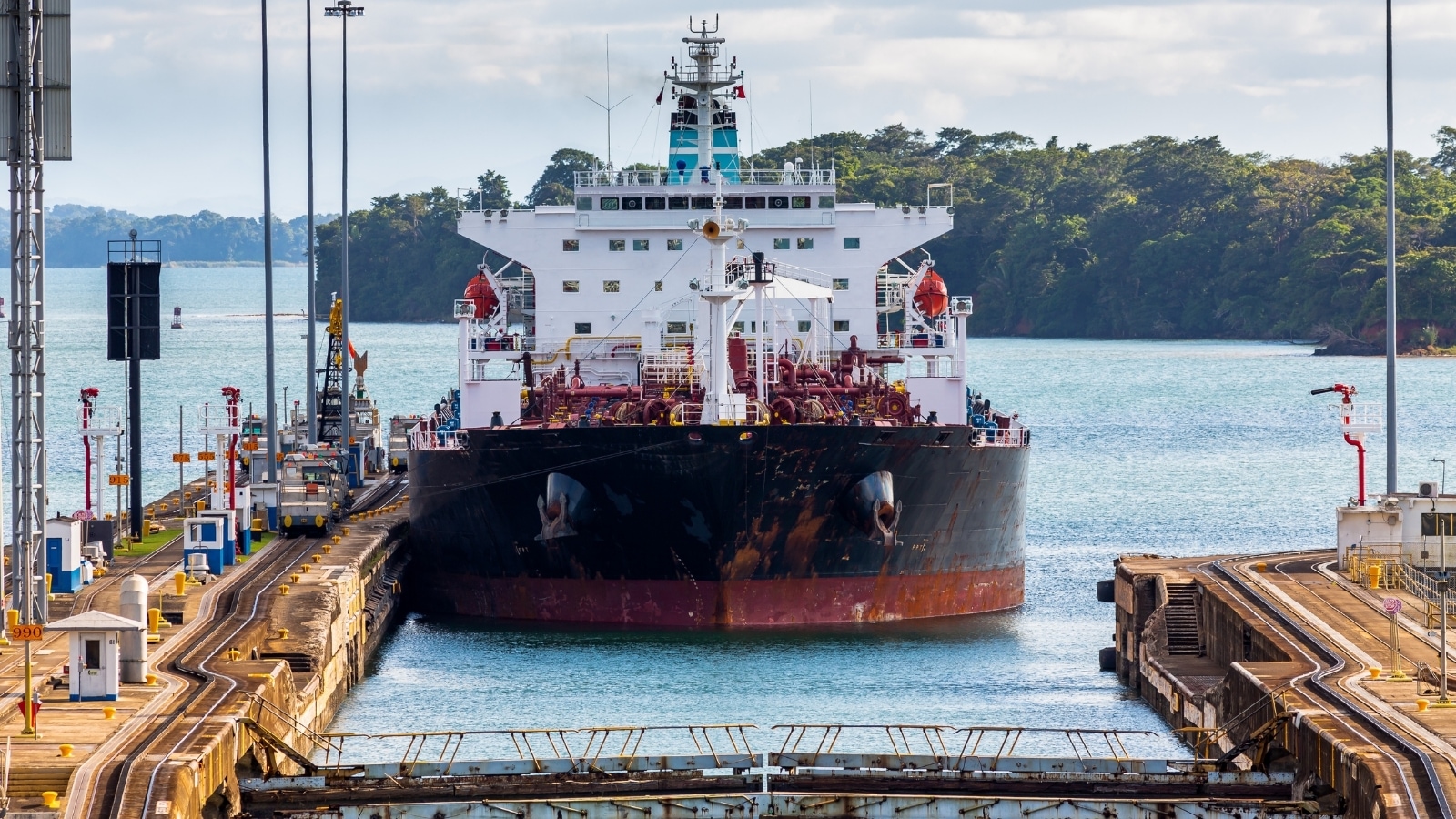
Logistical friction compounds these financial pressures. When maritime shipping insurers withdraw coverage for vessels carrying sanctioned cargo, transport costs surge. The targeted economy absorbs this surcharge, compressing profit margins across domestic supply chains and eroding fiscal reserves.
The Structural Resilience Matrix
Countering external financial containment requires a functional domestic absorption strategy. Sovereign actors typically deploy three offsetting mechanisms to mitigate systemic shock:
Currency devaluation acts as an automatic stabilizer for export competitiveness. While nominal depreciation inflates the cost of imported consumer goods, it simultaneously lowers the foreign-currency price of non-oil manufactured exports, preserving external revenue streams for state-backed enterprises.
Import substitution industrialization provides a structural cushion against supply shocks. By redirecting domestic capital toward manufacturing critical intermediate goods previously sourced externally, the target economy insulates vital industrial sectors from immediate foreign dependency collapse.
Bilateral energy barter arrangements bypass traditional dollar-denominated clearing systems. Exchanging crude petroleum for infrastructural development or manufactured goods establishes a closed-loop economic ecosystem that minimizes exposure to foreign exchange volatility.
Systemic Limitations and Policy Trade-offs
Neither containment nor resistance operates without internal friction. External sanctions often produce unintended structural adaptations, forcing the targeted state to professionalize its grey-market smuggling networks and decentralize its foreign exchange controls. This institutional hardening reduces the long-term efficacy of future financial coercion.
Conversely, the domestic cost of sustaining resistance falls disproportionately on wage earners through chronic inflation and currency depreciation. Fiscal deficits expand as tax revenues from formal hydrocarbon exports contract, forcing the central government to monetize debt, which accelerates monetary expansion and erodes purchasing power.
Strategic forecasting indicates that coercive economic pressure alters state behavior primarily by increasing the transaction costs of targeted activities rather than inducing systemic collapse. Long-term optimization depends on the targeted economy's ability to institutionalize informal trade workarounds faster than external authorities can map and close those emergent financial channels.