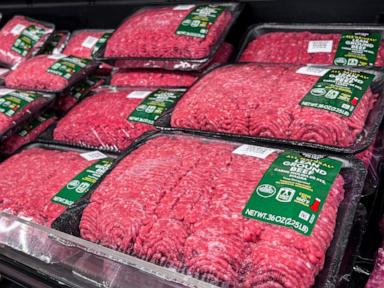
The lazy consensus across mainstream headlines is comforting, predictable, and entirely wrong. The mainstream narrative tells us that hitting pause on out-of-quota tariffs for 300,000 metric tons of imported ground beef is a straightforward relief valve for sticker-shocked shoppers staring down $6.89-per-pound grocery tags. Politicians argue that flooding the market with cheap foreign trim will simultaneously drop consumer prices by twenty-five percent and allow the domestic herd to miraculously rebuild.
It sounds tidy. It sounds like classic supply-side mechanics. It is also an economic fairy tale that ignores how protein supply chains actually function. If you found value in this post, you might want to look at: this related article.
I have watched agricultural trade policies get weaponized for quick political headlines for years, and the disconnect between executive declarations and meat-counter reality never ceases to amaze. Let us dismantle the core falsehoods driving this policy before they permanently wreck the domestic cattle cycle.
The Supply Delusion
The first flaw in the tariff-pause argument is the magical thinking surrounding volume. Proponents point to 300,000 metric tons of foreign ground beef as a massive flood of inventory. In the scale of the American diet, it is a drop in a very large bucket. The United States consumes billions of pounds of beef annually. Adding a temporary wave of imported manufacturing beef does not structurally alter a supply deficit driven by a seventy-year low in the domestic cattle herd. For another look on this event, see the recent coverage from Forbes.
More importantly, retail pricing does not move in tandem with wholesale raw material costs simply because a president posts an announcement on social media. Meatpackers and grocery conglomerates operate on thin margins and thick market power. When cheap imported trim enters the plant, conglomerates rarely pass the entirety of that twenty-five percent discount down to the shopper. Instead, margin expansion happens at the corporate level. The consumer keeps paying near-peak prices, while the domestic producer absorbs the downstream shock.
The Rancher Trap
The most dangerous delusion in the tariff-relief narrative is the claim that crashing local market prices will somehow give the "Great American Beef Herd space to grow again". This is economic illiteracy.
Cattle production is a long-lead biological business. A heifer born today will not yield market-ready beef for years. Ranchers make retention and expansion decisions based on long-term price signals and profitability. When you artificially depress cattle markets by flooding the country with foreign imports to score short-term political points, you send a devastating signal to the American rancher: expansion is financially suicidal.
Imagine a scenario where a cattle producer spends thousands of dollars maintaining breeding stock through a drought, only to watch federal policy pull the rug out from under domestic prices by letting foreign competitors bypass quota walls. Far from encouraging herd growth, this triggers panic liquidation. Ranchers sell off their remaining cows because the math no longer works. You cannot rebuild a herd by bankrupting the people who own it.
The Real Culprit Nobody Mentions
If you want to know why beef costs what it does, stop looking at tariffs and start looking at market consolidation and input costs. The processing sector is heavily bottlenecked. When mega-plants close or scale back operations due to corporate consolidation, the physical capacity to turn live cattle into boxed beef shrinks, creating an artificial bottleneck that keeps retail prices high regardless of what is happening at the farm gate.
Furthermore, high energy prices, feed costs, and veterinary overhead have permanently raised the baseline cost of production. Waiving a tariff on foreign lean trimmings does nothing to fix the structural inflation embedded in domestic logistics, trucking, and grain markets. It treats a systemic structural illness with a topical ointment.
What Actually Works
If policymakers were serious about sustainable protein affordability instead of chasing headlines ahead of an election cycle, they would target the actual friction points in the supply chain.
- Break up processing monopolies: True price competition will only return to the meat counter when independent regional processors can safely compete with the corporate giants controlling eighty percent of the market.
- Support grazing infrastructure: Drought management and federal land leasing reforms do more to preserve breeding herds than any 90-day tariff waiver ever could.
- Stop treating agriculture as a volatility buffer: Using short-term import quotas to manipulate retail prices creates boom-and-bust cycles that destroy multi-generational ranches.
The next time you see a sweeping executive fix promising instant relief at the grocery store, look past the press release. You are not witnessing economic genius. You are watching a political distraction play out while the foundation of American agriculture gets quietly hollowed out from underneath.