Mainstream financial media loves a neat, comforting narrative. The latest Department of Labor report shows initial jobless claims ticking down to 209,000, and right on cue, the consensus machine starts humming. Journalists point to the low numbers, declare the labor market "resilient," and assure everyone that the economy is on solid footing.
They are reading the chart completely backward.
Low jobless claims are not a sign of economic health. In the current macroeconomic environment, they are a lagging indicator masking a structural freeze. When initial claims plummet during an inflationary cycle paired with high interest rates, it does not mean companies are thriving. It means they are paralyzed. They are hoarding labor out of trauma from the pandemic-era hiring shortages, even as demand softens.
This behavior creates an artificial floor in the data. By treating 209,000 jobless claims as a victory, economists are missing the real story: the corporate rubber band is stretching to its absolute limit. When it snaps, the fallout will be sudden, severe, and utterly baffling to those who rely on backward-looking government data.
The Myth of the Resilient Worker
To understand why the consensus is wrong, look at how initial jobless claims are actually calculated and what they measure. An individual files for unemployment benefits only after they have been laid off from a traditional W-2 position. The headline number completely ignores the quiet erosion happening everywhere else in the labor ecosystem.
- The Contractor Purge: Long before a company triggers a mass layoff event that registers on a state unemployment website, they quietly terminate their independent contractors and agency partnerships. These workers do not qualify for traditional jobless aid, meaning tens of thousands of people can lose their income without moving the Department of Labor's needle by a single digit.
- The Severance Trap: Many modern corporate severance packages require employees to sign away their right to file for immediate unemployment benefits, or they pay out in structured intervals that delay eligibility. A spike in layoffs today might not show up in initial claims data for months.
- The Quiet Quitting Pivot: Companies are systematically using "return-to-office" mandates and performance management restructuring to force attrition without paying severance. If an employee quits because their commute became unsustainable, they cannot file for jobless aid.
I have sat in executive boardrooms where leadership teams openly admitted to using these exact levers to reduce headcount by 15% without triggering a public Worker Adjustment and Retraining Notification (WARN) notice or moving the local unemployment metrics. The media reports this as a stable labor market. In reality, it is a highly coordinated, invisible downsizing.
Labor Hoarding: The Hidden Balance Sheet Liability
The primary driver behind these low filing numbers is a phenomenon called labor hoarding. During the post-pandemic recovery, companies faced unprecedented talent shortages. It cost them millions in signing bonuses, recruiters, and inflated salaries to fill open seats.
Corporate leaders are terrified of experiencing that again. So, despite declining revenues and shrinking margins, they are holding onto underutilized staff. They view their current payroll as an insurance policy against future growth.
But insurance policies have premiums, and this one is getting too expensive to maintain.
+-------------------------------------------------------------+
|               THE LABOR HOARDING DEBT CYCLE                 |
+-------------------------------------------------------------+
| Macroeconomic Slowdown -> Revenue Dropping                  |
|                                                             |
|   --> Fear of Future Talent Shortages                       |
|   --> Company Retains Underutilized Staff (Hoarding)        |
|   --> Profit Margins Compress Rapidly                       |
|                                                             |
| Trigger Event (Earnings Miss/Credit Crunch)                 |
|                                                             |
|   --> CAPITULATION: Panic Layoffs Begin                     |
+-------------------------------------------------------------+
When a business keeps people it does not strictly need, its productivity per worker plummets. Profit margins compress. For a few quarters, a company can absorb this cost by cutting travel budgets, software subscriptions, and marketing spend. But eventually, they run out of non-human expenses to slash.
The moment the Federal Reserve signals that interest rates will remain higher for longer, or the moment a major sector misses quarterly earnings expectations across the board, this hoarding strategy collapses. The financial liability becomes untenable. The low jobless claims we see today are simply the buildup of dry powder before the inevitable explosion.
Dismantling the "Soft Landing" Narrative
The consensus relies heavily on the Federal Reserve's narrative of a "soft landing"—the idea that inflation can be tamed without destroying jobs. This theory looks clean on a whiteboard at Princeton or Brookings, but it fails on the factory floor and the corporate campus.
Let us look at how economic cycles actually play out. Historically, the labor market is the very last thing to break.
- Consumer Demand Weakens: High prices force households to cut discretionary spending.
- Inventories Build Up: Wholesalers and retailers realize they have too much stock and stop ordering.
- Corporate Earnings Drop: Margins compress, and stock prices face downward pressure.
- Hiring Freezes: Open roles are closed; natural attrition is not replaced.
- The Capitulation Phase: Mass layoffs begin.
The 209,000 jobless claims statistic simply confirms we are currently stuck at step four. The hiring freeze is absolute. If you lose your job today, the duration of your unemployment will be significantly longer than it would have been two years ago. Continuing claims—the number of people already receiving benefits—tell a far more ominous story than initial claims, yet they are routinely relegated to the footnotes of financial reporting.
Why Today's Job Hunter Is Facing a Ghost Market
If you want an accurate read on the labor market, stop looking at government filings and start looking at real-time job board data. The premise of the popular question, "Why are there so many job openings if layoffs are imminent?" is fundamentally flawed.
The job openings data (JOLTS) is heavily inflated by what insiders call "ghost jobs." These are job postings that companies have no intention of filling.
The Anatomy of a Ghost Job
- The Resume Collector: Companies leave listings active indefinitely to build a pipeline for a future that may never arrive.
- The Morale Booster: Management keeps job postings live to signal to their overworked, burned-out staff that "help is on the way," even though the hiring budget has been frozen for six months.
- The Valuation Illusion: For venture-backed startups and tech firms, an active hiring page signals growth to investors and competitors, hiding the fact that cash reserves are dwindling.
Job seekers are sending out hundreds of applications into a void, wondering why a market with "209,000 weekly claims" feels like a frozen wasteland. The positions do not exist. The liquidity in the job market has dried up.
How to Protect Your Capital and Career From the Impending Snap
Relying on mainstream interpretations of economic indicators will leave you flat-footed. When the consensus tells you everything is fine, that is precisely when you need to stress-test your position.
For Corporate Executives: Initiate the Surgical Strike Now
If you are running an enterprise, stop participating in the labor-hoarding experiment. Keeping underperforming or redundant staff out of fear of future recruitment friction is a balance-sheet killer.
The downside to this contrarian approach is obvious: if the economy suddenly booms, you will be caught short-staffed and will have to pay a premium to rehire. But the alternative is worse. Carrying excess overhead into a high-interest-rate environment invites a cash-flow crisis that could force you to cut core, high-performing talent later. Fire surgically now so you do not have to fire indiscriminately later.
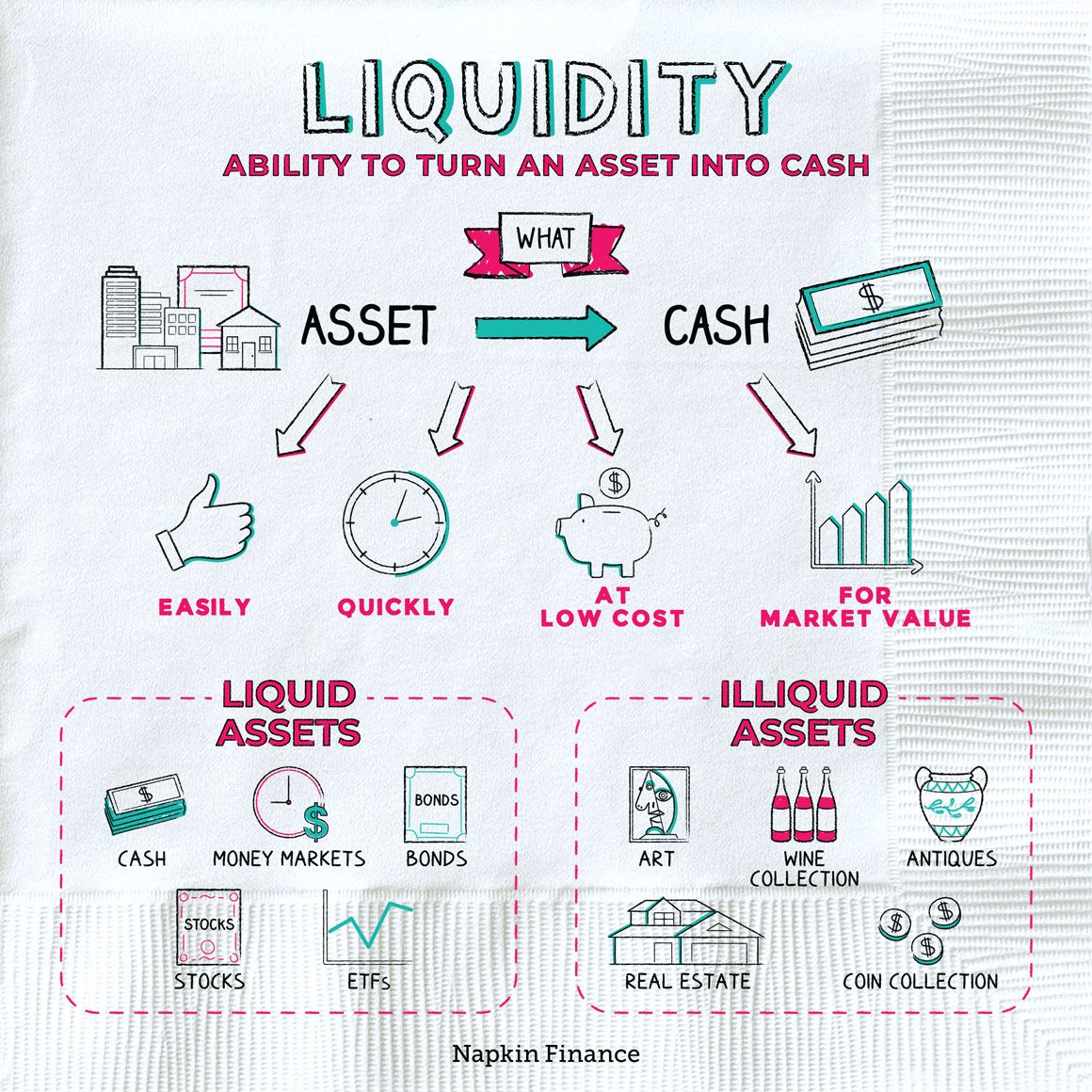
For Professionals: Build "Career Liquidity"
Do not assume your position is safe just because your company hasn't announced layoffs yet. If your role is not directly tied to revenue generation or critical cost reduction, you are vulnerable.
- Audit Your Value: Can you point directly to a line item on the quarterly report and show how your work increased that number or decreased a cost? If not, you are overhead.
- Shift to Core Operations: Position yourself as close to the company's primary survival mechanism as possible. Move away from speculative, long-term R&D projects and toward immediate operational efficiency.
- De-risk Your Income: Monetize your skills independently outside of your primary employment. Cultivate a network that does not rely on your current corporate title.
The Data Trap
The insistence on viewing low jobless claims as an unalloyed economic good is a dangerous miscalculation. It treats a symptom of corporate paralysis as a sign of corporate strength.
Economic history shows that the transition from a tight labor market to a cascading layoff cycle does not happen gradually. It happens all at once, triggered by a sudden realization that the cost of hoarding labor has surpassed the value of the protection it provides.
The 209,000 figure is not a milestone on the road to a soft landing. It is the quietest moment before the storm breaks. Stop celebrating the freeze and start preparing for the thaw.
/cdn.vox-cdn.com/uploads/chorus_image/image/65675838/GettyImages_1152686518.0.jpg)