Los Angeles isn't just a place where people go to get famous. It’s a massive, noisy, beautiful pressure cooker that forces artists to either find a unique voice or get lost in the traffic. When we talk about L.A.-grown artists like Flea from the Red Hot Chili Peppers, we aren't just talking about bass players who can slap a few strings. We’re talking about a specific kind of DNA that shifts the entire global music culture.
The city’s real power comes from its public schools, its crowded Fairfax streets, and the weird, genre-blurring collisions that happen when a jazz kid from Fairfax High meets a punk rock drummer in a garage. It isn't just "California dreaming." It's a gritty, technical mastery that often gets overlooked because we’re too busy staring at the palm trees.
Why the L.A. Sound Is More Than Just Hollywood Glamour
Most people think of the "L.A. Sound" and imagine the Eagles or some polished pop star in a Malibu mansion. That’s the postcard version. The real L.A. sound is built on the foundation of musicians who grew up in the city’s complex public education system during the 70s and 80s.
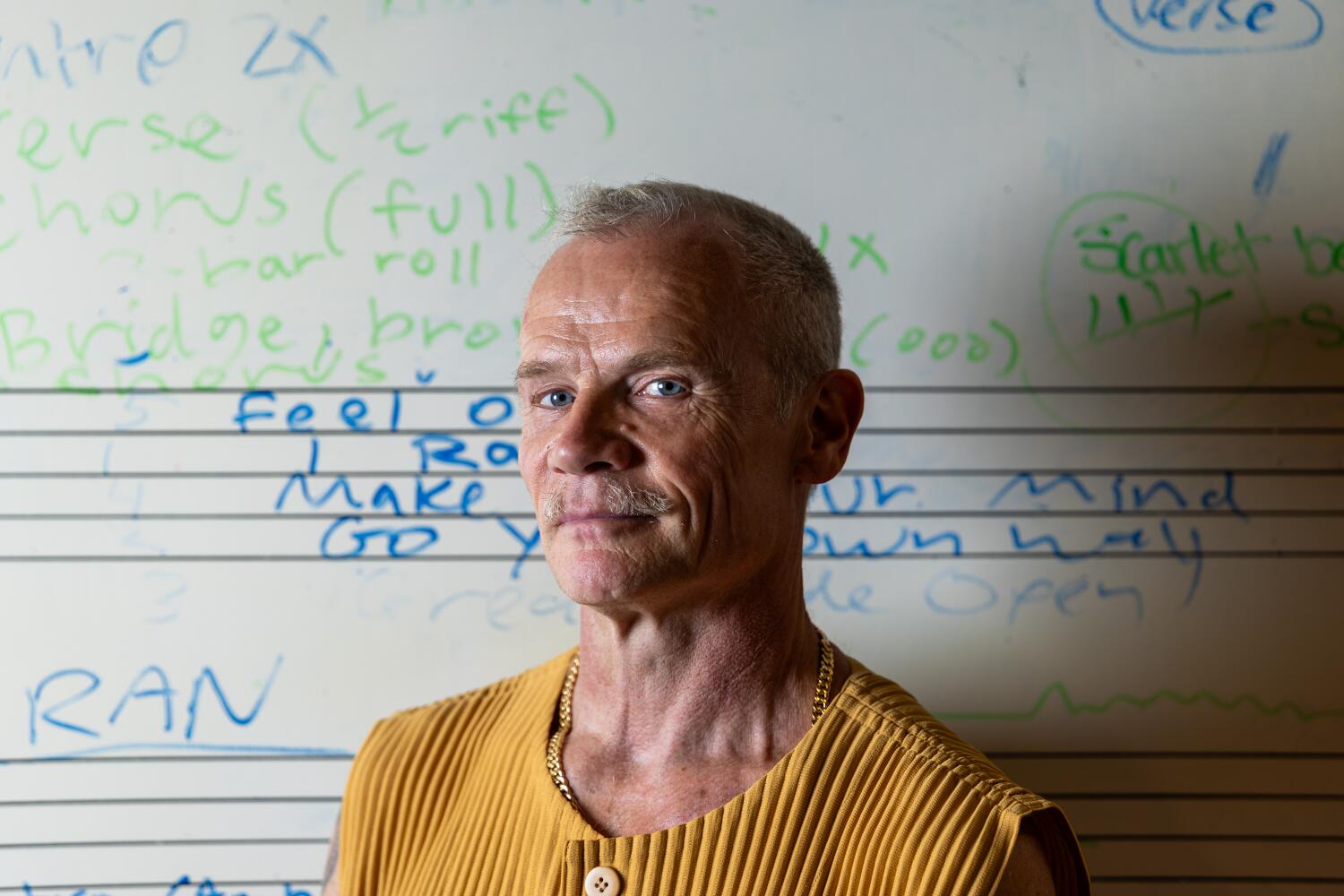
Flea, born Michael Balzary, is the perfect example. He didn't start with a bass guitar. He started with a trumpet. He was a jazz prodigy who idolized Herb Alpert and Louis Armstrong. That’s why his bass lines feel so melodic and percussive at the same time. He treats the bass like a lead horn. You can hear that brass-heavy influence in the rhythmic "pop" of his playing. It’s a technicality he brought from the classrooms of Fairfax High School.
This isn't an isolated story. Los Angeles has a long history of "homegrown" talent that uses the city’s diversity to break musical rules. Think about the crossover between the punk scene at The Masque and the early hip-hop movements in South Central. Those sounds weren't supposed to mix. But in L.A., they did.
The Fairfax High Connection and the Death of Genres
If you want to understand how music changes, look at the hallways of Fairfax High. In the late 70s and early 80s, that school was a melting pot. You had kids like Flea, Anthony Kiedis, and Slash (Saul Hudson) all roaming the same halls.
Think about that for a second.
The future of funk-rock and the future of hard rock were eating lunch in the same cafeteria. This proximity destroyed the walls between genres. In other cities, you were either a "rock guy" or a "jazz guy" or a "punk." In L.A., you were just a musician trying to survive. This forced a level of versatility that defines the city’s output.
When Flea and the Red Hot Chili Peppers hit the scene, people didn't know what to do with them. They were too punk for the funk crowds and too funky for the metalheads. But that confusion is exactly what creates a global movement. They didn't fit into a box, so they built a bigger box. Now, you can’t turn on a rock station without hearing that slap-heavy, high-energy influence. It started in a high school music room.
The Invisible Mentors of the City
We often credit the frontmen, but L.A.’s influence also comes from the session musicians who never get the cover story. The city is home to the "Wrecking Crew" legacy—a group of elite players who played on almost every hit record in the 60s and 70s. That culture of being a "musician’s musician" trickled down to the younger generation.
It’s why Flea is so respected. He’s not just a guy in a band. He’s a guy who can sit in with a jazz ensemble or a symphony orchestra and hold his own. He respects the craft. He even co-founded the Silverlake Conservatory of Music because he saw the city cutting funding for the very programs that made him who he is. He’s trying to keep the pipeline open for the next kid with a trumpet.
Why We Should Care About Local Arts Funding
It’s easy to dismiss "Letters to the Editor" or local shout-outs as nostalgia. They’re not. They are a warning.
When we talk about L.A.-grown artists influencing music "everywhere," we have to ask how they got there. It wasn't through a TikTok algorithm. It was through physical spaces where kids could make noise. Flea’s career is a direct result of public school music programs that actually functioned.
If those programs vanish, the "L.A. Sound" vanishes with them. We lose the weirdness. We lose the cross-genre experiments. We get a sterilized version of music that’s designed to be safe for a playlist.
The grit of the L.A. street scene gave us the Chili Peppers, N.W.A., and Kendrick Lamar. These aren't just "hitmakers." They are cultural architects. They changed how people dress, how they talk, and how they think about social issues.
How You Can Support the Next Wave of Talent
Don't just listen to the legends. Look at what they’re doing to give back. Flea’s commitment to the Silverlake Conservatory is a blueprint. He isn't just donating money; he’s donating his time and his reputation to ensure that a kid in 2026 has the same chance he had in 1978.
If you want to see more artists who change the world, you have to support the local ecosystem.
- Go to local shows. The next Flea is playing in a dive bar in Echo Park or a garage in Van Nuys right now.
- Donate to music education. Look into organizations like the Silverlake Conservatory or local school music boosters.
- Stop thinking of "L.A. Music" as a monolith. It’s a thousand different voices screaming at once.
L.A. artists don't just influence music; they dictate the rhythm of the modern world. They do it by staying true to the messy, complicated roots of the city that raised them. It's time we gave more credit to the schools and neighborhoods that actually built those sounds.
Check your local school district’s arts budget. If it's being cut, speak up at the next board meeting. That’s how you save the future of music.