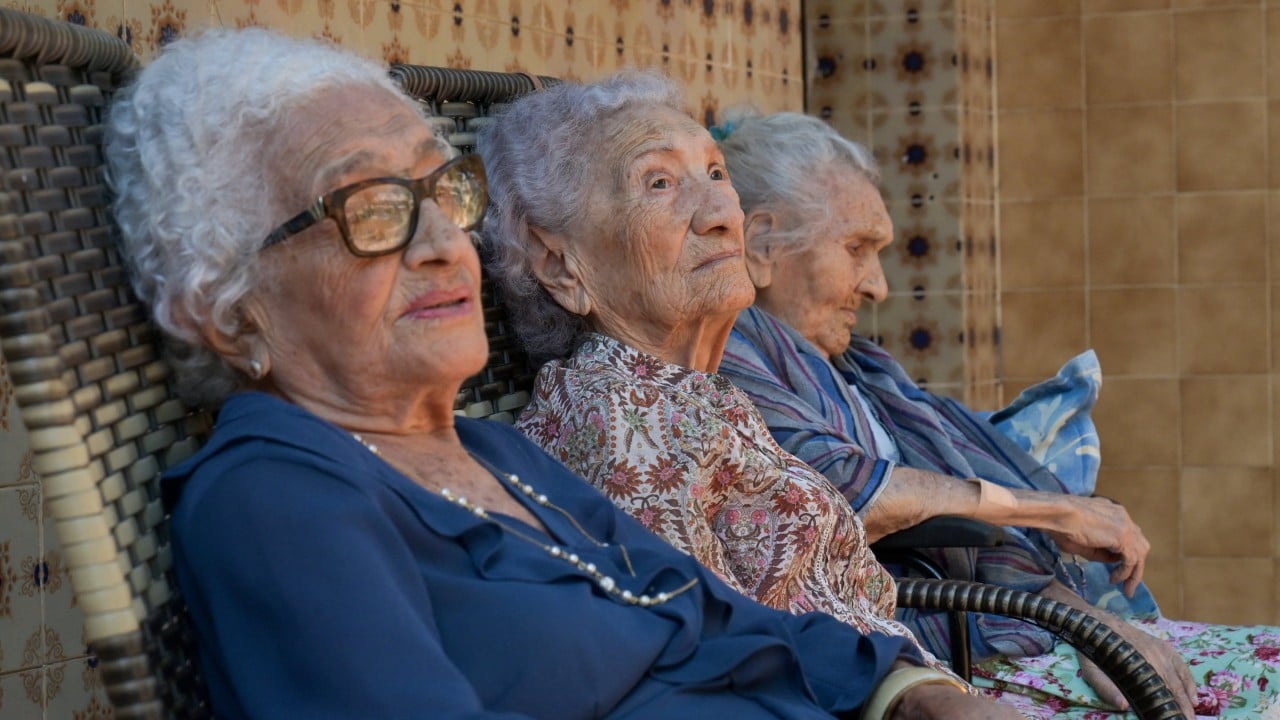
The mainstream media loves a heartwarming centenarian profile. Three Brazilian sisters pass the 100-year mark, and suddenly a caravan of geneticists, lifestyle gurus, and camera crews descends on their village. They catalog every olive, every morning walk, and every afternoon nap as if they have stumbled upon a secret blueprint for immortality.
It is a comforting narrative. It sells books, subscriptions, and green powder supplements. It is also completely intellectually lazy.
When researchers obsess over extreme longevity outliers, they are not studying health. They are studying historical anomalies. The scramble to extract a replicable "secret" from people who happened to survive a century of global upheaval is a masterclass in survivorship bias. We are asking the wrong questions, looking at the wrong data, and drawing conclusions that are actively harming our collective approach to public health.
The reality is far more brutal, far less marketable, and entirely rooted in luck.
The Myth of the Replicable Centenarian Habit
Every time a supercentenarian hits the news, the public demands a routine. We want to hear that they drank a shot of olive oil every morning, or that they never ate processed sugar, or that they swore by a daily glass of red wine.
This is noise masquerading as signal.
If you look at the broader data on centenarians, their actual lifestyle habits are wildly inconsistent. Some smoked for decades. Others worked grueling manual labor jobs well into their eighties. Some ate heavily salted meats every day. In 2011, a study published in the Journal of the American Geriatrics Society analyzed the lifestyle habits of over 400 Ashkenazi Jewish centenarians. The researchers found that their diets, exercise routines, and obesity rates were no better than the general population. In fact, many had worse habits than the average person.
The Reality Check: They did not live to 100 because of their habits. They lived to 100 in spite of them.
When we look at the three Brazilian sisters, science tries to find a common denominator in their diet or environment. But the only common denominator that matters is their parents. Extreme longevity is largely a genetic lottery. They possess rare gene variants—like those affecting the $CETP$ gene or the $APOE$ locus—that protect them from the chronic diseases that kill everyone else.
If you do not have those specific genetic shields, mimicking their lifestyle will not grant you their lifespan. You cannot eat your way out of average genetics.
Healthspan Over Lifespan: The Dangerous Obsession with Numbers
We have become obsessed with the quantity of years rather than the quality of those years. The longevity industry measures success by the date on a tombstone. This is a fundamental misunderstanding of human biology.
The final decade for many supercentenarians is not a vibrant display of youthfulness. It is often characterized by severe frailty, cognitive decline, and a radical narrowing of their world. A study led by the Boston University School of Medicine found that while centenarians delay the onset of chronic diseases like cardiovascular illness and cancer until very late in life, the compression of morbidity is not a magic pass. When the decline happens, it happens fast, and it is just as debilitating.
I have spent years analyzing health data and tracking the commercialization of wellness trends. I have seen tech executives spend millions of dollars a year on experimental therapies, popping dozens of pills a day, all to extend their projected lifespan by a fraction of a percent. They are optimizing for a metric that does not matter.
What good is reaching 102 if the last fifteen years of your life are spent in a state of profound physical vulnerability?
Instead of chasing extreme longevity, the goal should be maximizing healthspan—the period of life spent free from chronic disease and disability. The obsession with centenarians skews our focus toward the fringe outliers instead of the actionable baseline.
The True Culprits: What the Longevity Industry Ignores
If we want to improve the collective healthspan of society, we need to stop looking at isolated enclaves or genetic marvels. We need to look at the systemic failures that kill people prematurely.
The three biggest drivers of early mortality are not a lack of superfoods or an unoptimized sleep schedule. They are well-established, boring, and systemic.
- Metabolic Dysfunction: Cardiovascular disease and type 2 diabetes kill millions prematurely every year. These are driven by systemic metabolic failure, not a lack of rare genetic variants.
- Socioeconomic Status: The single strongest predictor of life expectancy is wealth. Access to clean air, safe housing, quality healthcare, and low-stress environments does more for longevity than any supplement protocol ever devised.
- Social Isolation: Loneliness is a public health crisis that rivals smoking in its impact on mortality. Centenarians often live in tight-knit, multi-generational communities. It is not the specific food they eat; it is the fact that they are not discarded by society as they age.
The media focuses on the romanticized lifestyle of the three sisters because it places the responsibility entirely on the individual. It suggests that if you just buy the right food, think the right thoughts, and walk the right number of steps, you can achieve immortality too. It is a brilliant marketing strategy, but it is terrible science.
Dismantling the Blue Zones Narrative
The concept of "Blue Zones"—regions where people supposedly live longer due to lifestyle factors—has been thoroughly weaponized by the wellness industry. But when you scratch the surface of the data, the narrative crumbles.
A lot of the data supporting extreme longevity in specific regions suffers from poor record-keeping and birth registration fraud. In many areas celebrated for their high concentration of centenarians, subsequent investigations found that a significant number of these individuals were either victims of pension fraud (where relatives failed to report their death to keep collecting checks) or lacked official birth certificates altogether.
Even where the data is accurate, the conclusions are flawed. Take the Mediterranean diet, often cited as the holy grail of longevity. When researchers try to isolate the specific impact of the diet from the broader social structure, walking habits, and genetic heritage of the population, the statistical significance shrinks dramatically.
There is no single variable. There is no secret ingredient.
The Actionable Truth Nobody Wants to Hear
If you want to live a long, functional life, stop reading profiles of 105-year-olds. Stop looking for shortcuts in the habits of genetic anomalies. The advice that actually works is unsexy, conventional, and requires consistent effort.
- Build and Maintain Muscle Mass: Sarcopenia—the age-related loss of muscle mass and strength—is one of the biggest drivers of frailty and mortality in older adults. Resistance training is non-negotiable. If you cannot get up off the floor by yourself in your seventies, your lifespan is going to contract rapidly.
- Manage Metabolic Markers: Track your blood pressure, ApoB levels, and insulin sensitivity. Address spikes early through aggressive intervention, whether that means dietary adjustments, exercise, or pharmaceutical support. Do not wait for a major event to fix a systemic issue.
- Prioritize Deep Social Connections: Cultivate a network of people who actually care about you. Do not underestimate the physiological toll of chronic isolation. Stress hormones kill just as effectively as a poor diet.
The downside to this approach? It takes work. It does not come in a bottle, and it does not make for a whimsical news story about three sisters in Brazil.
Stop looking at the outliers. Stop buying into the genetic lottery lie. Build a foundation that protects your body from the predictable, mundane killers that take out the rest of the population, and leave the fantasy of the century mark to the marketers.