The rink always smells the same at dawn. It is a sharp, chemical scent born of fresh coolant, damp rubber, and the ghost of spilled coffee from the night before. For a kid lacing up skates that are two sizes too big, the ice is a canvas of pure potential. It is an unblemished sheet where the only thing that matters is the clean bite of steel and the roar of a crowd that only exists in daydreams.
We teach our children to skate before they can drive. We wrap them in heavy nylon and polycarbonate armor, drive them to cold municipal rinks at five in the morning, and whisper dreams of gold into their ears. We tell them that hockey is more than a game. We call it a character builder. A crucible of grit and teamwork.
Then the silence falls.
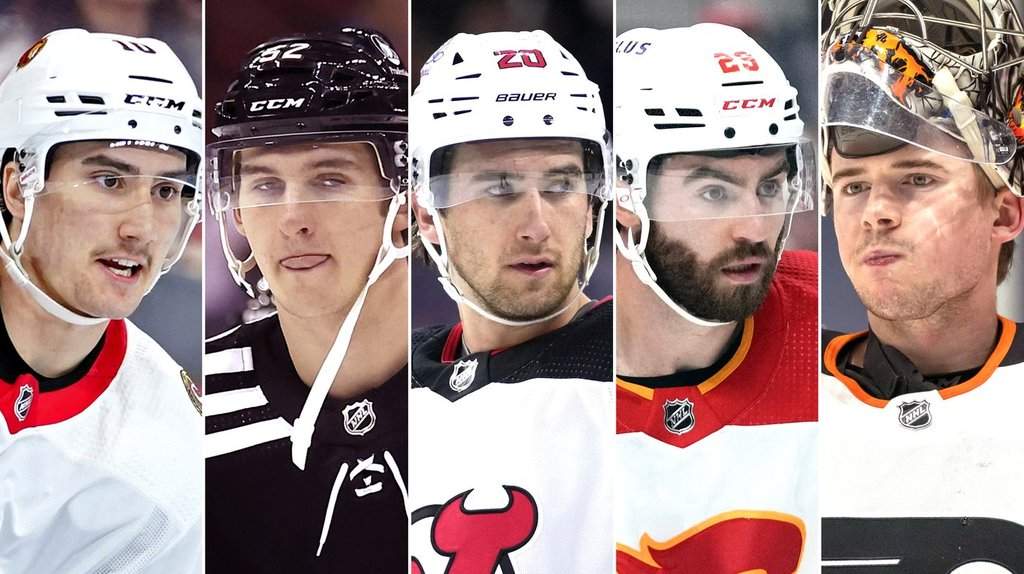
Consider what happens when the very institution built to guard that purity collapses under the weight of its own secrets. The recent reality surrounding the 2018 world junior hockey team is not merely a legal update or a bureaucratic footnote. It is an indictment of a culture that prioritized trophies over truth, medals over morality. The Independent Adjudicator Panel recently upheld the suspensions for four players—Michael McLeod, Cal Foote, Alex Formenton, and Dillon Dube—keeping their bans from organized hockey firmly in place.
Cold facts. Hard rulings.
Yet numbers and disciplinary panels strip away the human cost of a systemic rot. To understand why these suspensions matter, you have to step off the polished corporate floors and walk back into the cold rooms where power breeds entitlement.
Privilege is a heavy anesthetic. When a teenager is told he is a prodigy, a golden asset, a future icon, something shifts in the architecture of his mind. Boundaries blur. Consequences become theoretical constructs meant for ordinary people. The rink becomes a kingdom, and the laws of the outside world are left outside the arena doors.
(Note: The following reconstruction of the environment is a hypothetical scenario designed to illustrate behavioral patterns documented in sports sociology, not a factual account of specific private conversations.)
Imagine a hotel room after midnight during an international tournament. The air is thick with the adrenaline of a hard-fought victory. Laughter bounces off bare walls. There is a palpable sense of invincibility. When young men are isolated from community accountability and surrounded by enablers who shield them from accountability, the collective conscience evaporates. The group becomes a law unto itself.
That is where the tragedy truly begins. Not in the courtroom years later, but in the quiet moments when mentors look the other way because a slapshot is worth more than a soul.
When the allegations first surfaced regarding the events of 2018 in London, Ontario, the initial response from the guardians of the sport was not outrage. It was containment. Damage control. Protect the brand. Move the puck along. This is the institutional reflex that sickens the heart of every parent who has ever paid for a minor hockey registration fee. It treats human trauma as a public relations crisis.
The subsequent investigations exposed a dark underbelly of junior hockey culture. Settlements were paid. Reputations were guarded. Careers continued in European leagues as if nothing had happened, while the echoes of a devastating night lingered in the background. The game went on. The scoreboards lit up.
Stop. Listen to the quiet.
The upholding of these suspensions by the independent panel is a necessary correction, but it is also a monument to a failure of monumental proportions. These four players, along with Carter Hart who faced similar scrutiny, find their professional trajectories permanently altered or halted. Their defenders cry foul, pointing to the collateral damage of public judgment and stalled careers.
Let us be entirely clear about where the damage lies.
The damage is not localized to the suspension list. The true damage rests with a victim whose life was irrevocably altered while the machinery of sport ground forward in relentless pursuit of gold. The damage lives in every young player who now looks at their idols with a cynical eye, wondering if the jersey is just a costume worn to hide a vacuum of accountability.
Sports are a mirror of society. When sports fail to punish cruelty, society accepts it as the cost of winning. When administrators prioritize the preservation of a legacy over the protection of human dignity, they teach a generation of children that power is a get-out-of-jail-free card.
We have romanticized toughness for so long that we have confused it with cruelty. We have praised the stoic silence of the locker room until it became a conspiracy of omission.
The independent panel's decision to maintain these bans is not a final chapter. It is merely a threshold. It proves that the old ways of sweeping shadows under the rubber mats are no longer entirely effective. Public light is a harsh disinfectant. Fans are no longer willing to swallow the old excuses about letting kids be kids or protecting the sanctity of the sweater.
The sweater is just wool and dye. It holds no inherent honor. The honor belongs—or should belong—to the human beings wearing it and the people who govern them.
Think of the child lacing up skates this morning in an empty rink. That child deserves a game that is clean. Not just on the surface, where the Zamboni leaves a mirror finish, but down deep, where the foundation meets the earth.
The ice is thawing. The truth is finally leaking through the cracks. And the game will never, ever be the same again.