When a massive fire guts an industrial cold-storage facility, people usually expect a standard insurance payout, some temporary neighborhood smoke complaints, and a quiet rebuild. But the situation in East Los Angeles took a sharp turn when state investigators showed up with search warrants.
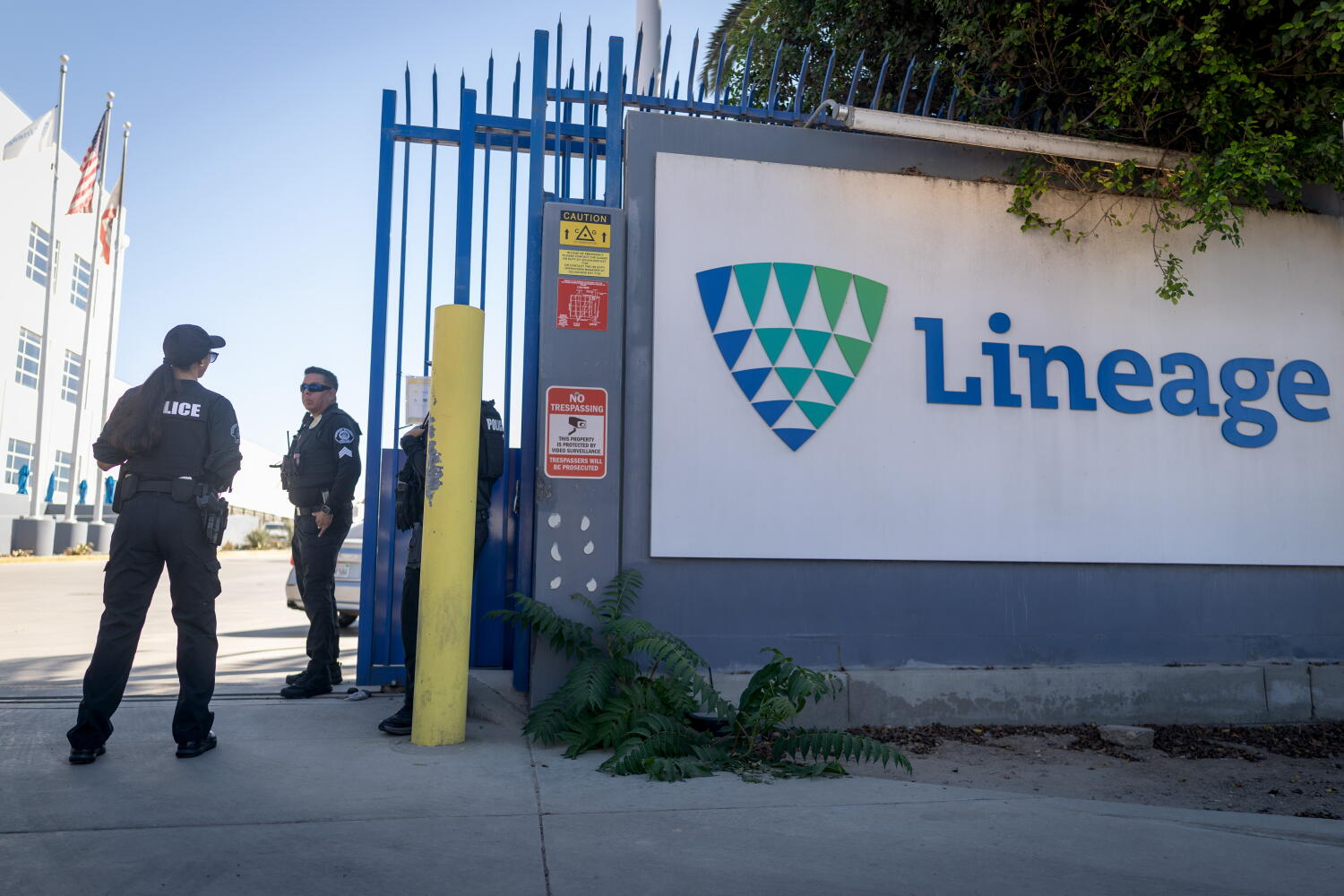
Agents from the California Department of Toxic Substances Control Criminal Investigations Bureau rolled up to the burned Lineage Logistics warehouse in Boyle Heights. They weren't there for a routine checkup. They were looking for evidence of environmental crimes.
This sudden escalation didn't happen by accident. Months after flames tore through the structure, local advocacy groups like Eastside Padres pushed hard against initial rulings. When the Los Angeles Fire Department threw their hands up and stated the cause of the fire was officially undetermined, community members refused to let it go. They stood outside the charred remains demanding that the District Attorney step in. Pressure works, and state law enforcement took notice.
Inside the Investigation and Community Pushback
Lineage maintains a defensive stance. Representatives insist the facility stored food rather than hazardous chemicals. They also point out that the site's ammonia refrigeration system was safely pumped out as the flames spread, preventing a much worse catastrophe.
Yet, residents living in the shadow of the facility aren't buying corporate reassurances. Industrial fires in dense urban neighborhoods leave behind lingering questions about air quality, toxic runoff, and corporate accountability. When a commercial giant operates heavy industrial machinery right next to residential backyards, trust is already thin.
The raid by toxic substance investigators signals that the state wants to know if environmental safety laws were broken before, during, or after the blaze. Investigators are digging through records, facility designs, and operational logs to determine if negligence played a role in the disaster.
The Fight Over Rebuilding Los Angeles Cold Storage
The legal and regulatory fallout extends far beyond a single criminal warrant. Local politicians want to slam the brakes on any future operations at the site. Mayor Karen Bass and local city council leadership moved swiftly to block rebuilding permits for the location.
Elected officials are drawing a hard line. Neighborhoods like Boyle Heights have historically shouldered a disproportionate burden of industrial pollution and hazardous zoning. Letting a major corporation rebuild a massive commercial warehouse without answering tough questions about safety standards is no longer politically acceptable.
State lawmakers also used the fallout to push for broader legislative changes. Governor Gavin Newsom signed bills designed to tighten accountability for large-scale facilities across California, aiming to give affected communities more teeth during environmental emergencies.
Air quality regulators recently certified that Lineage completed compliance requirements for cleanup orders, officially winding down months of intensive air monitoring around the site. Closing the air monitoring chapter doesn't end the legal pressure, though. The criminal probe remains active, and local leaders are determined to keep commercial developers from treating community health as an afterthought.
Industrial warehouse expansion in Los Angeles faces a brand-new reality. Neighborhoods are organizing, local governments are withholding permits, and state agencies are willing to launch criminal inquiries when answers fall short.
Check out this Boyle Heights Lineage warehouse coverage for additional visual context on the ongoing investigations and local community reactions.