The legal battle over mail-in ballots has reached a frantic pace, and most people are missing the actual mechanics of why this ongoing fight is causing total chaos for election administrators.
When the federal government heads back to the highest court for emergency intervention, it is rarely just about standard legal posturing. Right now, the Trump administration's push to alter how mail-in ballots are handled through the U.S. Postal Service has collided head-on with actual election calendars. States have already started sending out physical packets to voters, turning abstract court arguments into an immediate operational nightmare.
The Core Mechanics of the Dispute
To understand why this specific fight matters, you have to look past the political headlines and look at the timeline. Back in March, an executive order directed federal agencies and the Postal Service to establish new verification requirements for mail-in ballots. Essentially, the directive ties the delivery of election mail to specific federal citizenship and voter data lists managed through a newly developed online portal.
Democratic states and civil rights groups immediately pushed back, arguing that the executive branch overstepped its constitutional bounds by trying to dictate voting procedures traditionally managed by individual states. A series of lower court rulings temporarily blocked the postal rules, finding that the changes would introduce massive administrative hurdles.
However, the legal footing shifted when the Supreme Court temporarily lifted a previous block, ruling that initial challenges were premature because the Postal Service had not yet finalized its formal operational rules. Once those rules became official, plaintiffs quickly went back to federal court, securing a fresh preliminary injunction from U.S. District Judge Indira Talwani. That brought the administration right back to the Supreme Court for another emergency appeal.
Why State Election Officials Are Panicking
If you talk to local election clerks, their anxiety isn't rooted in partisan politics—it is purely logistical. Nearly one-third of all American voters cast their ballots through the mail. Altering envelope designs, barcode requirements, and data-sharing protocols weeks before millions of envelopes drop is an immense engineering challenge.
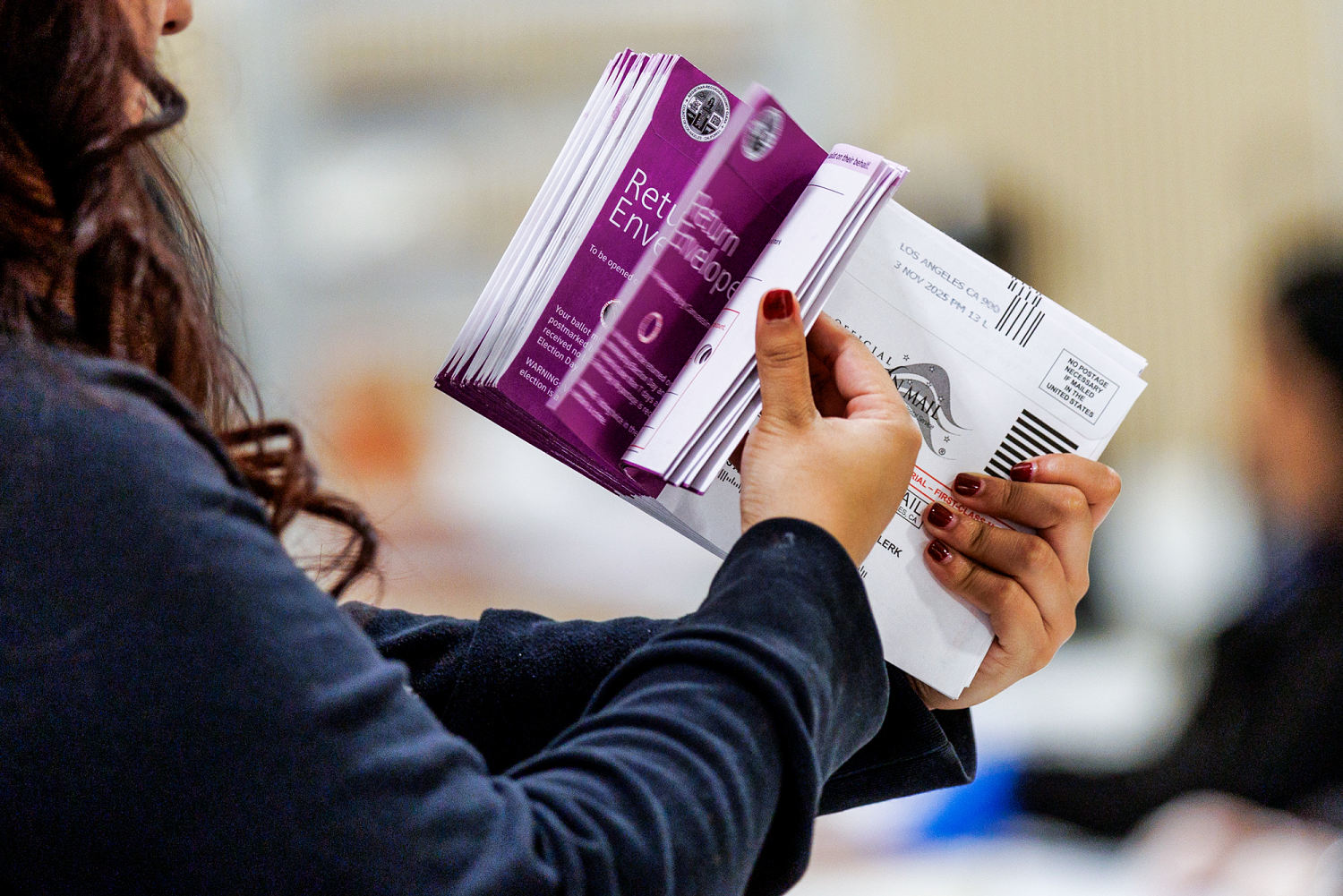
States like North Carolina have already begun transmitting ballots to voters, and other states are right behind them. Election directors point out a harsh reality: once ballot envelopes enter the active mail stream, pulling them back or altering their compliance standards mid-flight is functionally impossible. Introducing mandatory federal clearance rules right now threatens to delay ballots or throw entire batches into administrative limbo due to minor scanning errors.
What Happens Next in the Courts
The Supreme Court now faces a tight corner. The administration's filings emphasize that leaving lower court injunctions in place creates severe uncertainty for postal workers and state officials trying to prepare for November. Meanwhile, state attorneys general maintain that dropping these sweeping changes mid-cycle guarantees the disenfranchisement of eligible voters who rely on timely mail delivery.
Check official resources like your state's USA.gov Voting and Elections Portal or your local U.S. Election Assistance Commission guidance page to track how these shifting legal challenges directly affect your jurisdiction's calendar and ballot procedures.