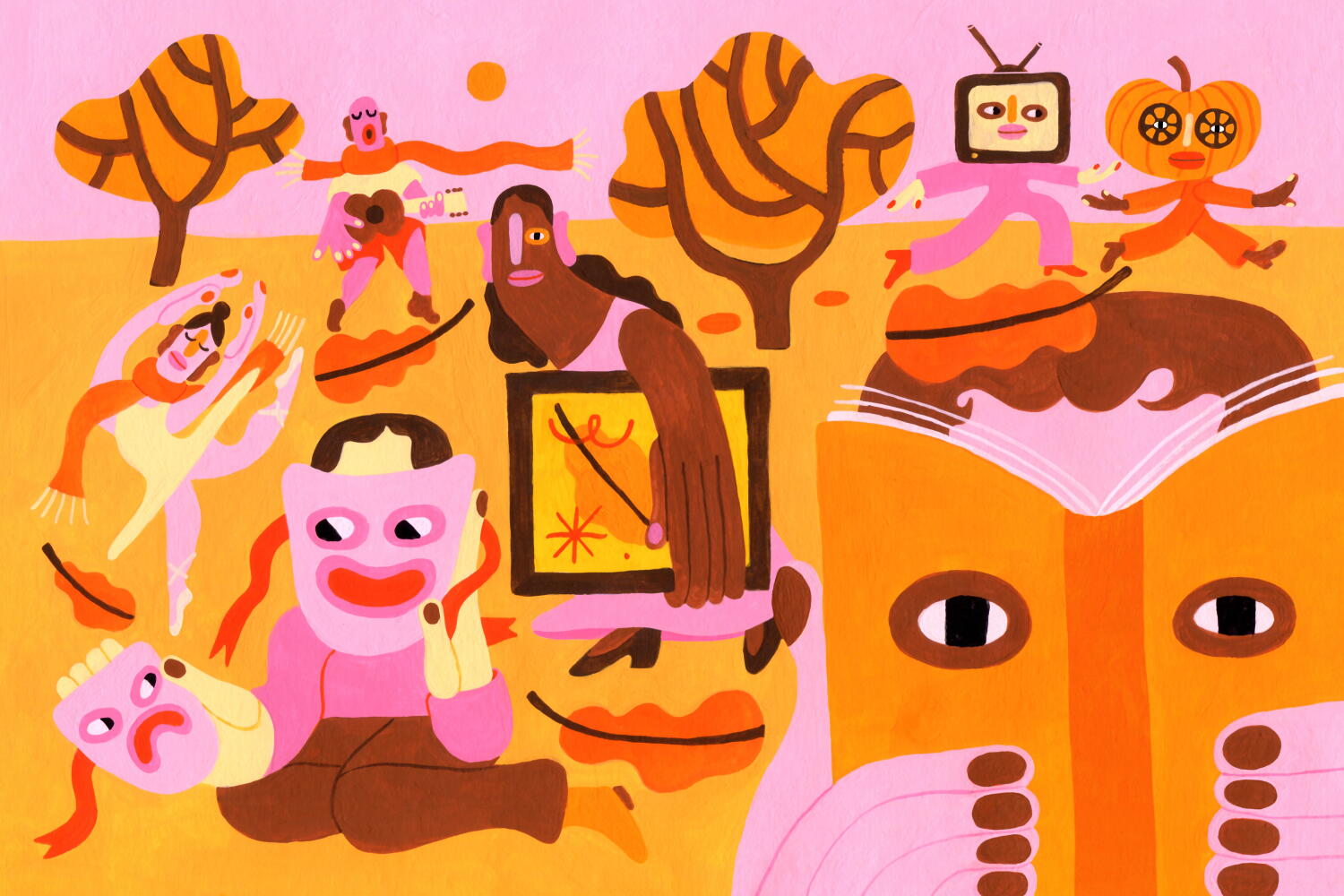
Screens have completely taken over childhood. If you hand a toddler a smartphone, they instinctively start swiping, but watch what happens when you hand them a physical magazine or a real book. They pause, they feel the texture of the paper, and they slow down. That tactile experience is disappearing fast.
Lulu Skantze, co-founder of Storytime magazine and chair of FIPP's Initiative for Kids Trusted Media, understands this shift better than most. She spends her days fighting for high-end, distraction-free reading materials for children. Most publishers chase endless digital clicks, but Skantze chose a different path. She wanted to sell wonder, not noise.
Why Kids Need Real Pages in a Digital World
Children are drowning in algorithmic feeds, autoplay videos, and interactive pop-ups designed to harvest their attention. This constant stimulation changes how young minds process information. Reading print media demands sustained focus. It teaches kids to stick with a narrative without getting a dopamine hit every three seconds.
Skantze's work with Storytime and her leadership role at FIPP highlight a glaring gap in modern media. Grown-ups value independent journalism, beautiful paper objects, and intentional reading time, yet we hand kids hyper-stimulating apps filled with micro-transactions and ads. Kids deserve better. They need curated, trustworthy content that treats them like smart human beings rather than mere data points.
The Problem With Ad-Supported Kids Content
Most digital media targeted at children relies on commercial monetization. Brands track behavior, push merchandise, and use flashy gimmicks to keep eyes glued to the glass. Skantze built her publication on a strict no-advertising rule for a reason.
When you remove ads, the content changes completely. You don't need to manipulate children into buying toys or unlocking digital currency. You can focus entirely on rich storytelling, diverse folklore, and gorgeous illustrations. Independent publishing in the children's sector proves that parents will pay for quality if you respect their kids.
Building True Literacy Through Multi-Modal Stories
Reading shouldn't feel like a chore assigned by a teacher. It has to feel like an adventure. Skantze advocates for combining print with smart digital audio and interactive elements without losing the core magic of the physical page.
When kids read a story and then do a hands-on craft or solve a puzzle connected to the text, comprehension skyrockets. They take ownership of the story. They aren't passive consumers anymore. They become active participants.
If you want to raise a reader today, you have to compete with modern distractions on quality, not volume. Turn off the background noise, ditch the screens for an hour every afternoon, and put real, beautifully illustrated print back into the hands of the next generation.