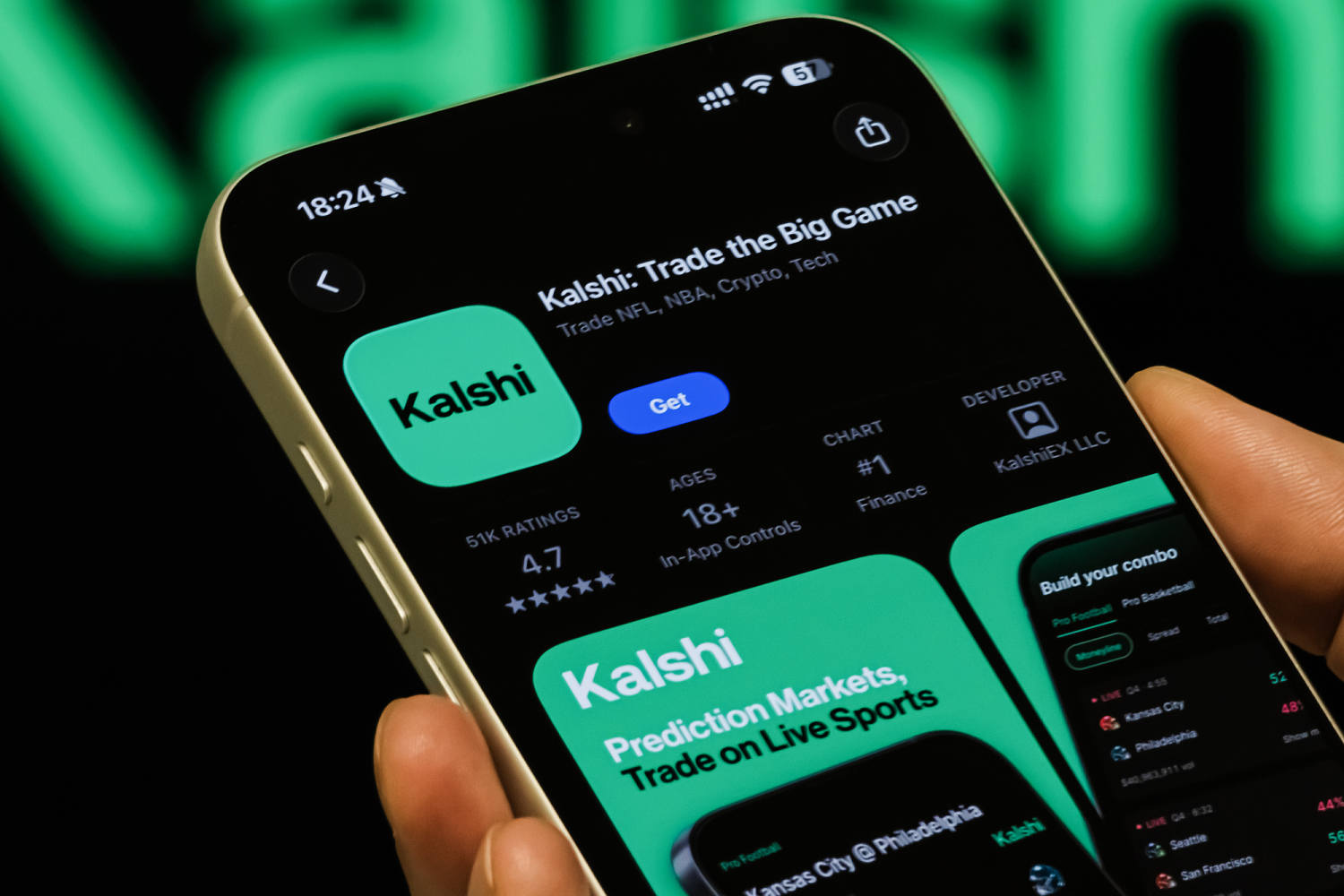
Prediction markets are having a massive identity crisis. Right now, platforms like Kalshi and Polymarket are handling millions of dollars a day from people betting on everything from interest rates to pop culture drama. But there is a massive, glowing target on the industry's back. What happens when the person betting on a corporate outcome or a government policy actually works for the entity making the decision?
It's called insider trading, and it's running rampant. Don't forget to check out our earlier post on this related article.
Kalshi just announced a major policy shift to try and put out the fire. If you want to trade in certain high-risk markets on the platform, you're going to have to fill out a form disclosing exactly where you work. The platform wants to screen out "presumptive insiders" before they can even place a bet.
It sounds great on paper. It looks like a federally regulated exchange taking market integrity seriously. But if you look at how people actually cheat, this new hurdle isn't going to stop real insider trading. It's just going to change how people get away with it. To read more about the context of this, Business Insider provides an in-depth summary.
The Reality of Prediction Market Cheating
To understand why Kalshi is forcing users to hand over their employment details, you have to look at the sheer volume of scandals hitting the industry lately. This isn't a hypothetical problem. It's happening constantly, and the culprits are incredibly brazen.
Just last week, news broke that former Congressman George Santos came under investigation for allegedly betting on whether he would attend Donald Trump's State of the Union address. Think about that. He was literally placing wagers on his own physical movements.
Earlier this year, a U.S. Army soldier allegedly used classified intelligence to pocket a cool $400,000 on Polymarket by betting on the exact timing of military operations in Venezuela. In another case, a Google employee got hit with federal fraud charges after using internal, non-public search trends data to scoop up $1.2 million. Even a video editor for the YouTuber MrBeast got caught and penalized for trading on upcoming video content before it went live.
The industry is a wild west of material non-public information. Because Kalshi is regulated by the Commodity Futures Trading Commission (CFTC), it faces immense political pressure to clean up its act. The White House issued internal warnings to staff about using government info on these sites, and House Oversight Committee Chair James Comer launched a formal probe demanding answers about how these platforms spot illicit behavior.
How the Risk Scoring and Verification System Works
Kalshi isn't asking every single user for their boss's name the second they sign up. Instead, they've built a multi-layered screening system based on recommendations from their new Independent Surveillance Audit Committee.
Here is how the process works:
- Risk Scoring: Every time a new market is listed, Kalshi runs it through an algorithm that calculates a risk score based on six metrics. They look at things like national security implications, regulatory compliance, and outcome concentration risk. If a market turns on a decision made by a single person or a small, opaque group, the score spikes.
- Employment Triggers: If a market hits a specific risk threshold—like a contract tied to a narrow corporate event, a policy decision, or foreign affairs—the platform locks the trade button behind an online disclosure form. You must name your employer before you can participate.
- Pre-Trade Screening: Kalshi uses this data to map out who you are. If you work for the agency, company, or political campaign tied to the contract, you're flagged as a presumptive insider and blocked from that specific market entirely.
The platform claims this tool has already blocked over 100 potential insider trades during a Q1 trial run. But there's a massive, glaring catch in how Kalshi is executing this.
They aren't actually verifying your employer when you type it in.
A company spokesperson admitted that Kalshi will only go back and verify your employment data if their surveillance team flags your account for suspicious trading activity. It's a reactive check dressed up as a proactive barrier.
The Honor System Doesn't Scare Real Insiders
Let's be completely honest about how this plays out in the real world. If a corporate executive or a government staffer has access to information that can guarantee a 500% return on a prediction market, a text field asking "Who is your employer?" isn't going to stop them.
They will just lie.
Because Kalshi only verifies the data after a trade triggers a surveillance alert, an insider who trades subtly, breaks up their positions, or uses a slow accumulation strategy can easily fly under the radar.
Worse yet, this rule ignores the most common way insider trading happens in traditional finance: tipping. If a staffer at the Federal Reserve knows an interest rate decision ahead of time, they don't log into their personal, KYC-verified Kalshi account to make the bet. They tell their brother-in-law over an encrypted app. They tell a college friend.
The person placing the trade on Kalshi can truthfully type in that they work as a graphic designer or a real estate agent. Their employment info will look completely clean, yet the trade is entirely dirty. Kalshi's system is built to catch the dumbest insiders—the ones trading from their desk at work using their corporate email. It does virtually nothing to stop distributed networks of information sharing.
Driving Users to the Offshore Underground
By adding this targeted friction, Kalshi is trying to protect its reputation as the compliant, institutional-grade choice for prediction markets. They want Wall Street capital, and Wall Street capital requires strict compliance.
But retail volume thrives on liquidity and ease of use. Every time a regulated platform adds another form, another verification layer, or another threat of an account freeze, it pushes casual traders away.
Where do they go? They head to decentralized, crypto-native, offshore platforms like Polymarket or completely unregulated underground sites. These platforms operate largely outside U.S. jurisdiction, don't require the same strict domestic compliance, and offer massive liquidity.
By trying to solve an insider trading problem that is fundamentally structural, Kalshi risks choking out its own volume while its offshore competitors reap the rewards of a frictionless user experience.
What You Should Do Next
If you're an active trader on Kalshi, the rules of engagement are changing rapidly. You need to adjust your strategy to avoid getting caught in the compliance crosshairs.
- Audit Your Own Exposure: If you work in government, defense, tech, or corporate finance, check Kalshi’s updated rulebook immediately. If you trade in a market even tangentially related to your sector, expect to be asked for employment details.
- Expect Settlement Delays: Kalshi disclosed they have made over 20 referrals to law enforcement and opened 150+ investigations this year alone. When an investigation triggers, accounts and funds are frozen instantly. If you are trading in high-risk markets, prepare for capital to be locked up while surveillance teams sort through suspicious volume.
- Document Your Research: If you make a large, contrarian bet that looks incredibly smart in hindsight, Kalshi's surveillance tools will flag you. Keep a record of your open-source research. If you based your trade on a public tweet, a public flight tracker, or a scraping script, have that data ready to prove you didn't rely on a leak.