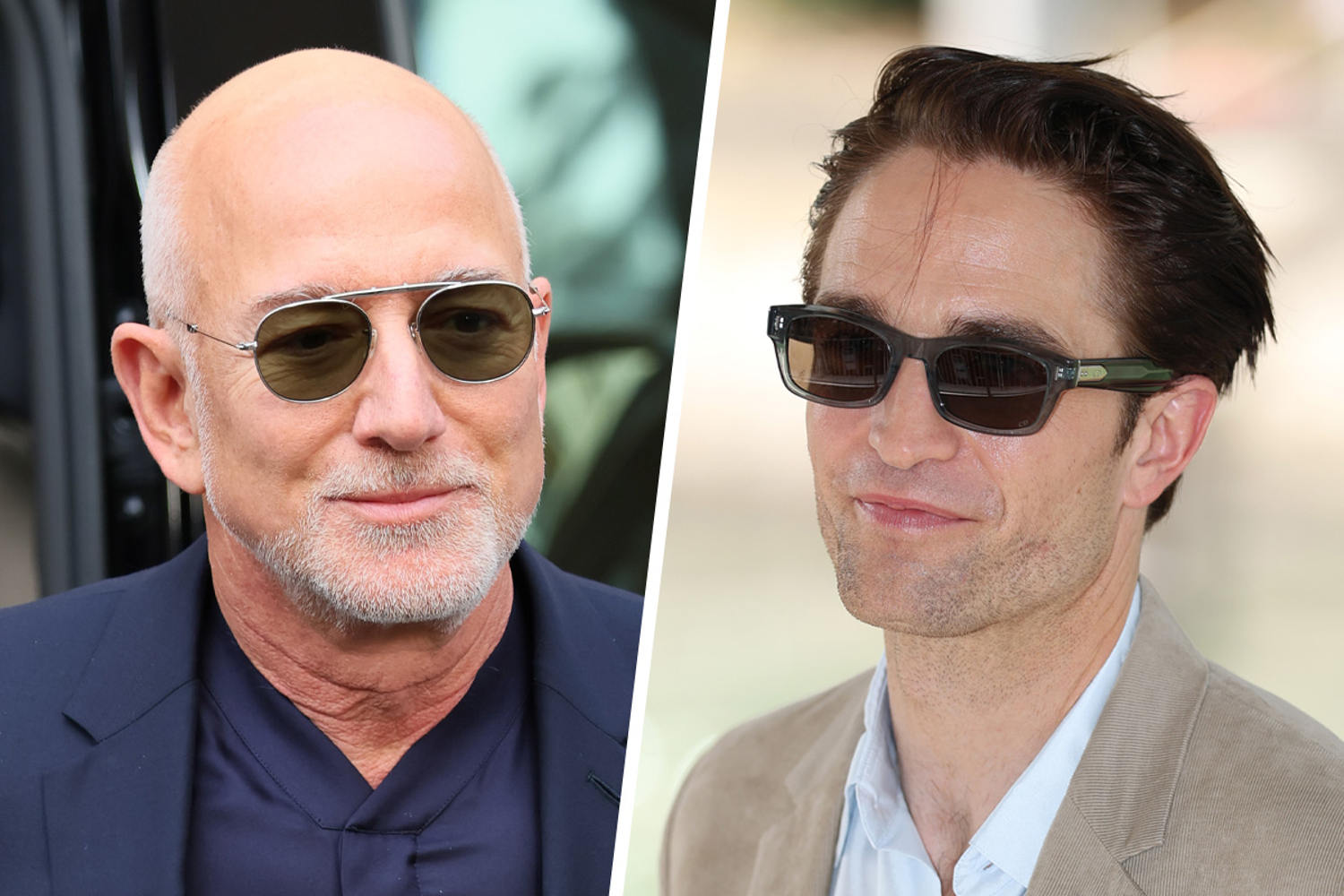
Hollywood spent months worrying that Amazon would turn 007 into a mindless streaming assembly line, and Jeff Bezos just poured gasoline on that fire.
When word got out that Bezos claimed he was "heavily involved" in picking the new James Bond, film Twitter nearly imploded. People immediately pictured the billionaire sitting in a room in Seattle, scrolling through IMDb profiles and picking a leading man based on Prime Video engagement metrics. Honestly, the panic makes total sense. After Amazon shelled out $8.5 billion to buy MGM in 2022, fans feared the studio's crown jewel would get the corporate algorithm treatment.
Here's the catch. If you look closely at how the James Bond franchise actually operates—and who legally controls every single frame of film—Bezos's comment tells a very different story than the headlines suggest.
Why Jeff Bezos's Involvement in James Bond Sounds Worse Than It Is
Tech billionaires love taking credit for cultural moments, especially when they own the checkbook. That's just how Silicon Valley ego works.
When Amazon acquired MGM, they didn't buy outright creative dictatorship over James Bond. They bought a 50% stake in the franchise's distribution and financing rights. The other 50%—and crucially, the ironclad creative veto power—belongs to Eon Productions, run by half-siblings Barbara Broccoli and Michael G. Wilson.
In Hollywood, Eon's contract is legendary. Nobody casts Bond without Barbara Broccoli signing off on the paperwork. Nobody picks a director, approves a script, or changes the martini order unless Eon agrees.
So when Bezos says he was "heavily involved" in choosing the next actor to wear the tuxedo, you have to translate billionaire-speak into Hollywood reality. Being "heavily involved" when you're the guy signing nine-figure checks means sitting in final-round presentations, reviewing screen tests that Eon already curated, and giving your blessing to a shortlist you didn't build from scratch.
Does his opinion carry weight? Of course. You don't spend $8.5 billion and get ignored completely.
Still, there's a massive difference between a founder offering enthusiastic feedback on Eon's top two finalists and Jeff Bezos personally auditioning British actors in his living room. The headlines make it sound like a hostile creative takeover. In reality, it's standard studio-owner posturing dressed up as a scoop.
The Long Shadow of Amazon's $8.5 Billion MGM Deal
To understand why this single quote triggered so much backlash, you have to rewind to March 2022. That's when Amazon officially closed its acquisition of Metro-Goldwyn-Mayer, inheriting over 4,000 film titles and 17,000 TV episodes.
Amazon didn't buy MGM for Legally Blonde or Rocky spin-offs, though they certainly milked those too. They bought MGM for James Bond.
Right after the merger, reports leaked about friction between Amazon executives and Barbara Broccoli. Rumors circulated that Amazon wanted to treat 007 like Marvel or Star Wars—churning out Moneypenny prequel series, Felix Leiter spin-offs, and direct-to-streaming movies to keep Prime Video subscribers from canceling their memberships. Broccoli allegedly pushed back hard, insisting that Bond belongs in movie theaters and isn't "content" to be sliced into algorithmic bite-sized pieces.
That tension never really went away. Every time an Amazon executive opens their mouth about 007, hardcore cinephiles brace for impact.
When Bezos popped up on social media asking fans who they thought should play the next Bond—and later claimed heavy involvement in the actual selection—it felt like confirmation of everyone's worst fears. It looked like the tech overlord stepping over traditional filmmakers to run the show himself.
What Eon Productions Actually Controls
Let's look at the legal wall standing between Amazon and the 007 brand. Eon Productions has managed the theatrical Bond films since Dr. No hit theaters in 1962. Albert "Cubby" Broccoli built an unprecedented firewall around his family's company, and his daughter Barbara guards it like a hawk.
Under their long-standing partnership agreements (which transferred from MGM to Amazon), Eon holds full creative control over:
- Casting the lead actor, including contract length and character direction.
- Hiring the director and screenwriters, which explains why prestigious auteurs like Sam Mendes and Cary Joji Fukunaga took the gig.
- Theatrical release windows, ensuring Bond debuts on massive IMAX screens rather than dropping quietly onto a Friday night streaming queue.
- Brand tone and merchandising, preventing cheap cash-grab tie-ins that dilute the character's prestige.
Amazon provides the capital, handles global marketing, and collects its share of box office and streaming revenue. They get a seat at the table. They do not get the steering wheel.
What Casting the New James Bond Actually Takes
People outside the film industry often think casting James Bond is just a matter of picking the most handsome British guy in his early thirties. If only it were that easy.
I've watched studio casting cycles play out for decades, and finding a new 007 is arguably the hardest recruiting job in entertainment. You aren't hiring an actor for one movie. You're hiring a global brand ambassador for the next 10 to 15 years of their life.
Look at Daniel Craig's run. He was announced in October 2005 and didn't bow out until No Time to Die finally reached theaters in October 2021. That's sixteen years tied to one role.
When Eon looks at candidates—whether it's Aaron Taylor-Johnson, Theo James, Callum Turner, or an unexpected dark horse—they aren't just checking how the guy looks holding a Walther PPK. They're running a brutal checklist that eliminates 99% of working actors.
First, the actor can't be too famous already. If someone is already synonymous with another massive franchise, audiences won't buy them as Bond. Henry Cavill missed his window partly because he became Superman, and by the time he was free, he had aged out of Eon's target demographic for a multi-film commitment.
Second, they can't be a complete unknown. Carry a $250 million global tentpole with zero box office track record, and financiers start sweating. You need someone with critical credibility, stage or indie chops, and enough charisma to charm a room full of international distributors in Cannes.
Third, the physical toll is absurd. Daniel Craig tore his ACL, broke teeth, sliced off the tip of a finger, and ruptured shoulder muscles across five films. Whoever steps into those bespoke Tom Ford suits next has to survive six-month shoots across four continents while doing brutal stunt rehearsals at 4 AM.
Bezos didn't do the groundwork to vet those variables. Barbara Broccoli and casting director Debbie McWilliams spent years quietly narrowing down that pool before a single tech executive ever saw a screen test.
Why Billions of Dollars Can't Buy Instinct
Here's where things get tricky for Amazon. Data is amazing for selling paper towels and cloud servers, yet it's notoriously terrible at predicting movie stars.
If you relied purely on social media engagement, Q-scores, and streaming metrics in 2005, Daniel Craig would never have been cast. When Eon announced him, the British tabloids ran brutal headlines calling him "James Bland" and mocking his blonde hair. Online petitions demanded a boycott. By every measurable metric available at the time, it looked like a disaster.
Then Casino Royale opened in 2006, earned over $616 million worldwide, and completely revitalized the franchise.
That's the exact risk of having a tech founder heavily involved in creative casting. Tech executives instinctively gravitate toward safe, data-backed consensus choices. They look at demographic appeal, international market penetration, and social reach. Creative producers look for danger, edge, and an X-factor you can't put into a spreadsheet.
If Bezos's involvement meant rubber-stamping a bold choice that Eon championed, great. No harm done.
If his involvement meant pushing Eon away from an edgy, unconventional pick toward a safer, algorithm-friendly leading man just to maximize Prime Video cross-promotions, the next era of Bond could feel sterile before the gunbarrel sequence even finishes.
The Real Reason Bezos Spoke Up Now
Timing is everything in Hollywood PR, and billionaires rarely drop casual quotes by accident.
Over the past couple of years, Amazon MGM Studios has faced growing criticism for dragging its feet on the next 007 installment. Since Daniel Craig's Bond literally died on screen in 2021, the franchise has sat completely dormant on the theatrical front. For a studio that just spent $8.5 billion, a five-year gap with zero new Bond movies in production looks rough on quarterly investor calls.
Meanwhile, Amazon did launch 007: Road to a Million, a reality competition game show hosted by Brian Cox. Fans hated the idea of turning Bond into a reality TV format, even if the show itself was harmless enough. It reinforced the narrative that Amazon didn't know what to do with its prized acquisition.
By framing himself as actively hands-on with the casting of the new James Bond, Bezos achieves two things immediately:
- He signals momentum to Wall Street and Prime subscribers. It tells the market that the flagship asset isn't gathering dust and that high-level decisions are finally locking into place.
- He claims ownership of the narrative. Instead of looking like a passive check-writer locked out of Eon's inner sanctum, he projects the image of a visionary mogul personally curating cinema's most famous spy.
It's smart PR. It's also a classic example of taking a victory lap before the race has even started.
How to Spot Real 007 News vs. Studio Noise
If you follow entertainment news closely, you've probably seen a dozen "confirmed" reports about the next James Bond over the last three years. Every few months, a British tabloid claims an actor has secretly signed a contract, odds spike on betting sites, and the internet loses its mind for forty-eight hours before nothing happens.
Stop falling for the noise. Until you see three specific things happen simultaneously, nobody has officially won the role.
First, watch for an official joint press release from Eon Productions and Amazon MGM Studios. Eon doesn't leak casting announcements through anonymous sources to tabloids. When they finally pick their guy, they stage a massive, tightly controlled media event—just like they did when Daniel Craig arrived at the River Thames on a Royal Marines speedboat in 2005.
Second, pay attention to the director announcement. Historically, Eon locks in a director and a working script treatment before finalizing the actor, because the tone of the reboot dictates the type of actor they need. A gritty, grounded thriller requires a very different leading man than a suave, globe-trotting espionage romp. If you hear credible trades like Variety or Deadline confirm a director signing, casting news is usually right behind it.
Third, ignore billionaire soundbites and betting odds. UK bookmakers shift their odds based on tiny spikes in betting volume, not insider studio leaks. Similarly, when Jeff Bezos mentions being involved in the process, take it for what it is—an executive proud of his shiny new toy, not a casting director running auditions.
Keep your eye on Barbara Broccoli and Eon Productions' official channels, wait for a confirmed director attachment, and judge the next era of 007 when the first teaser trailer actually hits theaters.


