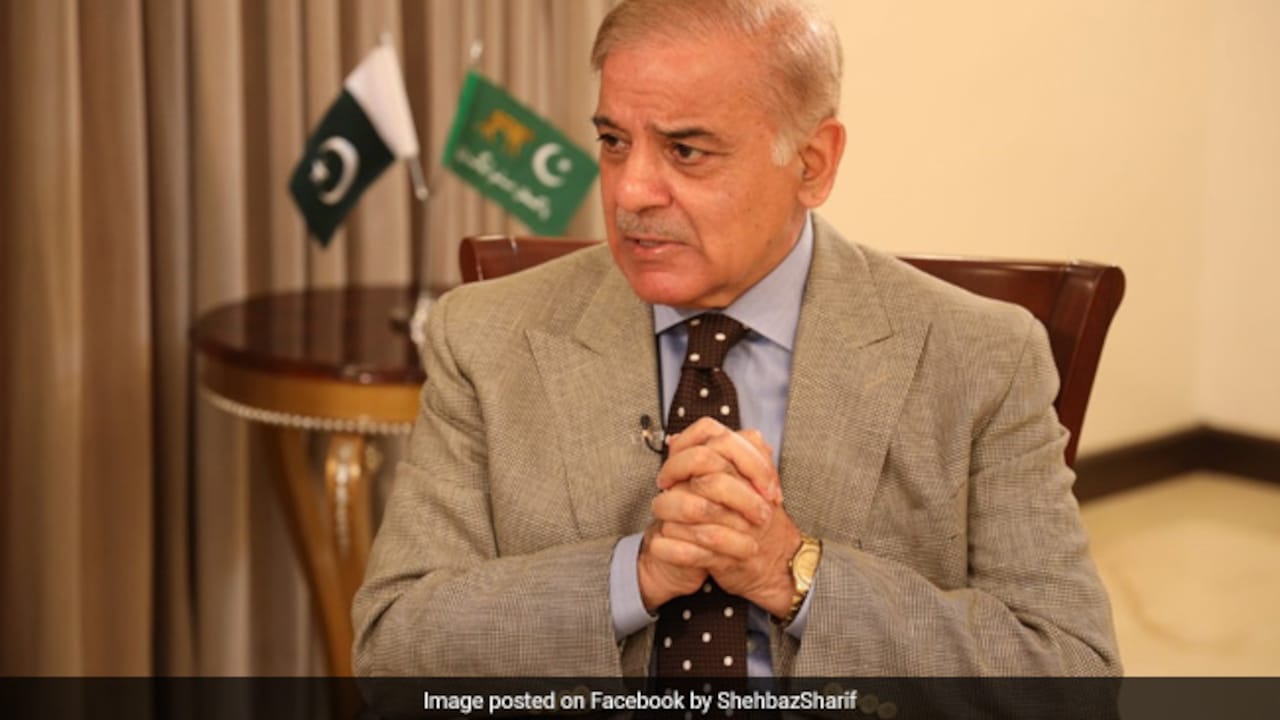
Pakistani Prime Minister Shehbaz Sharif announced that a definitive peace agreement between the United States and Iran is closer than ever and likely to be finalized within 24 hours. Pakistan is actively preparing for an electronic signing of the document, known as the Islamabad Memorandum, to halt a war that has choked global energy corridors since February 28. However, the triumphalism radiating from Islamabad ignores a harsh reality. Hours after Sharif’s statement, Iranian Foreign Ministry spokesperson Esmaeil Baghaei flatly contradicted the timeline, stating no signing would occur on Sunday, while American forces were busy intercepting Iranian attack drones in the Strait of Hormuz.
The disconnect reveals a dangerous gap between diplomatic theater and the facts on the ground. Sharif's premature victory lap looks less like an imminent breakthrough and more like a desperate attempt to cement Pakistan’s role as a vital regional mediator. While President Donald Trump echoed the optimism, claiming a deal was scheduled to get signed tomorrow, the structural hurdles to a lasting peace remain immense.
The Core Friction Behind the 24 Hour Timeline
The proposed agreement aims to pause a conflict that began with devastating opening strikes on February 28, which claimed the life of Iranian Supreme Leader Ali Khamenei. While a fragile ceasefire has been in effect since April 7, the underlying drivers of the war have not disappeared.
The current optimism centers on a phased framework. A senior American administration official indicated that the emerging deal establishes a crucial 60-day window specifically designed to address Iran’s nuclear capabilities. During this period, technical teams would work out the logistics of destroying or removing Tehran's highly enriched uranium, much of which is currently buried beneath nuclear sites heavily damaged by airstrikes.
Yet, this 60-day mechanism is a double-edged sword. Rather than resolving the nuclear question, it merely defers it. Iranian Foreign Minister Abbas Araghchi confirmed that the terms regarding the nuclear program would only be finalized after the initial memorandum is signed.
By pushing the most contentious issues into a future negotiation window, the agreement risks collapsing the moment concrete implementation begins.
The Battle for the Strait of Hormuz
Beyond the nuclear standoff, the immediate economic pressure point is the Strait of Hormuz. The war effectively closed this vital artery, causing global energy prices to spike and disrupting maritime supply chains.
[Strait of Hormuz Shipping Lane]
       │
       ▼
┌───────────────────────────────┐
│  Iranian Toll & Drone Claims  │◀── Conflict Point
└───────────────────────────────┘
       │
       ▼
┌───────────────────────────────┐
│ International Maritime Safety │
└───────────────────────────────┘
The text of the Islamabad Memorandum reportedly contains provisions for reopening the waterway, but the terms are highly contested. Araghchi noted that Iran expects to levy charges on transiting commercial vessels for services rendered. The United States and its maritime allies view this proposed toll system as a blatant violation of international maritime law.
While diplomats in Islamabad debated the text, the military reality reasserted itself. U.S. Central Command confirmed that it intercepted multiple Iranian one-way attack drones targeting commercial vessels in the strait.
This ongoing kinetic friction underscores the central flaw of the current peace talks. Political leaders are signing documents in secure rooms while their respective military forces continue to trade fire in strategic chokepoints.
Regional Complications and the Shadow of Lebanon
A sustainable settlement cannot exist in a vacuum, a reality that complicates Pakistan’s mediation efforts. Tehran has consistently maintained that any comprehensive deal must include a permanent cessation of hostilities in Lebanon, where Israeli forces remain locked in conflict with Hezbollah.
This requirement clashes directly with the strategic objectives of America’s primary regional ally. Israeli Defense Minister Israel Katz issued a blunt warning, stating that Israel retains full independence of action and has no intention of withdrawing from occupied zones in Lebanon, Syria, Gaza, or the northern West Bank.
With fighting continuing in southern Lebanon, Iran's regional proxies retain the ability to scuttle any bilateral understanding reached between Washington and Tehran.
The Politics of Sanctions Relief
The financial architecture of the deal presents another significant hurdle. Regional officials suggest the memorandum outlines a phased lifting of economic sanctions and the eventual return of frozen Iranian assets.
This aspect has already triggered intense domestic scrutiny in Washington. Vice President JD Vance moved quickly to temper expectations, warning against unverified media reports and clarifying that Iran is not receiving immediate cash infusions simply for participating in the talks. Vance emphasized that any economic relief is strictly contingent upon Iran fulfilling verifiable steps on the ground.
This conditional approach sets up a classic sequencing dilemma. Tehran wants immediate sanctions relief to stabilize its battered domestic economy, while Washington demands verifiable nuclear disarmament before releasing economic pressure.
Diplomatic Positioning Over Substance
Pakistan’s eagerness to broadcast a 24-hour breakthrough reflects its own geopolitical interests. By positioning Islamabad as the indispensable bridge between Washington and Tehran, Shehbaz Sharif’s government aims to boost its diplomatic leverage and secure international goodwill.
But true diplomacy requires more than synchronized social media posts and electronic signatures. The absolute silence from the White House regarding a specific signing timeline, combined with Iran’s explicit denial of a Sunday ceremony, indicates that the final details are far from settled.
President Trump's plan to discuss a multinational effort to demine the Strait of Hormuz at the upcoming Group of Seven summit in France suggests that Western allies are preparing for a long, technically complex stabilization process rather than a quick diplomatic fix.
The Islamabad Memorandum may provide a temporary political reprieve, but unless negotiators bridge the divide between maritime access, regional proxy warfare, and nuclear verification, the 24-hour countdown is nothing more than an artificial deadline.