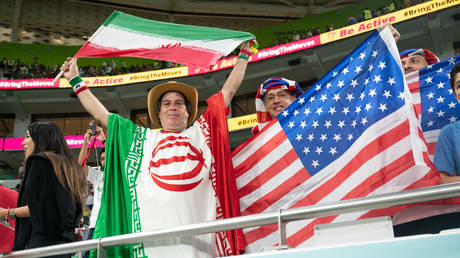
Football tournaments usually bring people together. But for thousands of passionate supporters, the reality is entirely different. Iranian fans shut out of World Cup stadium gates and facing systematic ticket rejections isn't a new phenomenon, but it is one that international football authorities continuously fail to address properly.
While FIFA promotes a message of global inclusion, the actual experience of ordinary Iranians trying to watch their national team tells a darker story. It is a mix of geopolitical blockades, domestic restrictions, and a complete lack of support from football's governing bodies.
They just want to watch the game. They can't.
The Financial Blockade Behind the Ticket Rejections
International banking restrictions make buying a ticket nearly impossible if you live inside Iran. Major credit cards don't work there. Visa and Mastercard are out of the question because of global sanctions.
This forces everyday fans to rely on third-party intermediaries. These brokers charge massive markups, sometimes triple the original ticket price. Even if a fan saves up enough money to pay these inflated fees, there is no guarantee the ticket will actually be issued under their name.
FIFA's strict digital ticketing systems require direct verification. When the payment origin doesn't match the fan's identification documents, the ticketing system flags the purchase. The result is instant cancellation. Fans lose their money and their chance to see the match. It's a bureaucratic brick wall that shuts out genuine supporters while doing nothing to stop actual scalpers.
The Double Standard for Female Supporters
Inside Iran, women have faced decades of stadium bans. While pressure from human rights groups and FIFA has occasionally forced local authorities to open stadium gates to women for specific international matches, the access remains tightly controlled and deeply flawed.
Tickets for women are often limited to tiny quotas. These seats are usually sold in isolated sections, far away from the main crowd. Activists note that these token gestures are designed to satisfy international observers rather than grant real freedom.
When the World Cup happens abroad, these fans face a different kind of pressure.
State security personnel often travel to international tournaments. They monitor the crowds. Fans who carry unauthorized flags, wear protest clothing, or speak out to international media face real consequences when they return home. Stadium security at host venues frequently confiscates political banners to comply with FIFA's strict rules against political statements in the stands. This effectively silences fans who try to use their platform to highlight the ongoing struggles for basic rights back home.
How Governing Bodies Fall Short
FIFA insists that football should remain entirely separate from politics. This stance sounds good in a press release. In the real world, it serves as an excuse to ignore complex human rights issues.
By refusing to create safe, direct purchasing channels for fans in sanctioned nations, football's leadership chooses bureaucratic convenience over true inclusion. They expect fans to navigate a hostile financial system alone.
True accessibility means acknowledging these systemic barriers. If a governing body truly wants a global tournament, it must build infrastructure that accommodates fans who live under restrictive regimes or isolated economies. Right now, that infrastructure does not exist.
Navigating the System Legally and Safely
If you are trying to support the team while managing these hurdles, you have to be incredibly careful. Relying on unverified online ticket brokers is the easiest way to lose your savings.
- Look for official regional fan clubs. Some independent fan associations outside of Iran organize group ticket blocks that comply with international regulations.
- Keep your stadium presence focused on the sport. If your primary goal is avoiding scrutiny from state observers stationed in the crowd, avoid unofficial banners or chants that can be easily misinterpreted.
- Use secure communication. If you are coordinating travel and ticket purchases with family inside Iran, use encrypted messaging apps to protect your financial and personal data.
Football should belong to the people who love the game. Until international sports organizations look past their own corporate guidelines and address the specific barriers facing marginalized fanbases, the stadium gates will remain closed to the people who care the most.