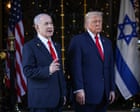
Tehran wants you to believe Donald Trump is on the ropes. That is a fairy tale.
Calling the November 2026 midterm results and the nearly nine-month conflict a double defeat for Trump makes great headlines for state media. It also gets the strategic math completely backward. Yes, Republicans lost ground in Congress—with Democrats taking the House and flipping multiple Senate seats—and voters felt the sting of energy price swings during the fighting. Vice President J.D. Vance even acknowledged the electoral toll of the war.
Yet treating a midterm backlash as an Iranian military triumph confuses tactical friction with strategic defeat. Worse, it blinds observers to the real trap Tehran has built for itself.
The Lazy Consensus Around a "Double Defeat"
Conventional commentary treats Washington politics like a scoreboard where one party's midterm dip equals the adversary's checkmate. When an article frames Tehran's warning that Trump lost both war and elections as proof of impending Iranian dominance, it repeats a lazy consensus.
In geopolitical analysis and crisis forecasting, I have watched analysts blow credibility by mistaking domestic voter fatigue for strategic collapse. Voters punish incumbents over pocketbook pain and prolonged foreign entanglement. That happens in democracies constantly. It does not hand an adversary air superiority, naval reach, or economic relief.
Consider what is actually happening on the water and in the ledger. U.S. naval pressure and a blockade on Iranian ports have squeezed Tehran's oil exports while surrounding Gulf producers move crude with military escorts. Launching waves of drones and missiles may satisfy domestic hardliners in Tehran, yet heavy interception limits the strategic payoff. Claiming victory over an election cycle does not open a blocked port.
Why Voters Punished Republicans Without Surrendering to Tehran
American voters did not cast ballots in November to endorse Tehran's regional ambitions. Voters reacted to cost-of-living pressures, war fatigue, and concerns over prolonged escalation. Conflating a midterm swing with a foreign policy capitulation distorts how U.S. domestic politics works.
Let us define the terms cleanly so we stop talking past one another:
- Electoral backlash: A domestic voter verdict on inflation, energy costs, and governing competence during a given cycle.
- Strategic leverage: The durable ability to coerce an adversary, protect shipping lanes, or impose economic costs over time.
- Tactical attrition: Day-to-day strikes, air defenses, and maritime friction that wear down resources without settling the core dispute.
Even with a divided government taking shape in January, foreign policy execution does not simply vanish overnight. A president still commands military assets, sanctions enforcement, and maritime interdiction tools. A midterm loss constrains domestic legislation and oversight; it does not hand Tehran a blank check in the Persian Gulf or the Red Sea.
The Real Risk Iran Misses After the Midterms
If Tehran's leadership truly believes Trump's electoral setback guarantees restraint or concessions, it is misreading its own leverage. Cornered or politically bruised leaders rarely become docile—sometimes they double down on coercive pressure to avoid looking weak.
Imagine a scenario where Tehran treats the post-election window as a green light to escalate maritime harassment in the Strait of Hormuz, betting that a chastened White House wants a quiet exit before January. A miscalculation on Washington's threshold for retaliation could trigger heavier strikes on infrastructure or deeper economic isolation, leaving Iran worse off than before.
Conversely, suppose Tehran bets on waiting out the administration in hopes of an easier deal later. Supreme Leader Mojtaba Khamenei has already warned against assuming U.S. policy shifts automatically with party control. That caution is warranted: structural rivalry, regional security guarantees, and sanctions architecture outlast single election cycles.
Where This Contrarian View Can Go Wrong
Honest analysis requires admitting blind spots. Assuming Washington will always hold the upper hand carries real risks.
A prolonged conflict strains munitions stockpiles, stretches naval deployments, and tests alliance cohesion across the Gulf and Europe. If energy markets spike again or U.S. casualties climb, domestic pressure to cap or wind down operations could grow sharper than Tehran expects.
Heavy hitters in international relations—from Thomas Schelling on coercive bargaining to Robert Jervis on spiral dynamics—have shown how misperception fuels escalation. Overconfidence on either side can turn a tense standoff into a wider regional conflagration.
What Smart Observers and Decision-Makers Should Do Now
Stop reading Tehran's bravado as an accurate balance sheet. Treat every public warning from an adversarial capital as an exercise in psychological leverage first and an assessment of reality second.
- Track barrels and shipping, not just rhetoric. Watch actual oil export volumes, tanker insurance and escort patterns, and port restrictions rather than victory slogans.
- Separate congressional math from executive action. Account for House and Senate shifts when forecasting budgets and oversight, while remembering the commander-in-chief retains substantial operational room.
- Price in miscalculation risk. Plan for sudden spikes in drone, missile, or proxy activity whenever political incentives shift.
Elections measure voter mood on a given Tuesday. Wars are settled by endurance, logistics, and leverage—and Tehran has not won those yet.