The Balance Sheet Anatomy of Imported Instability
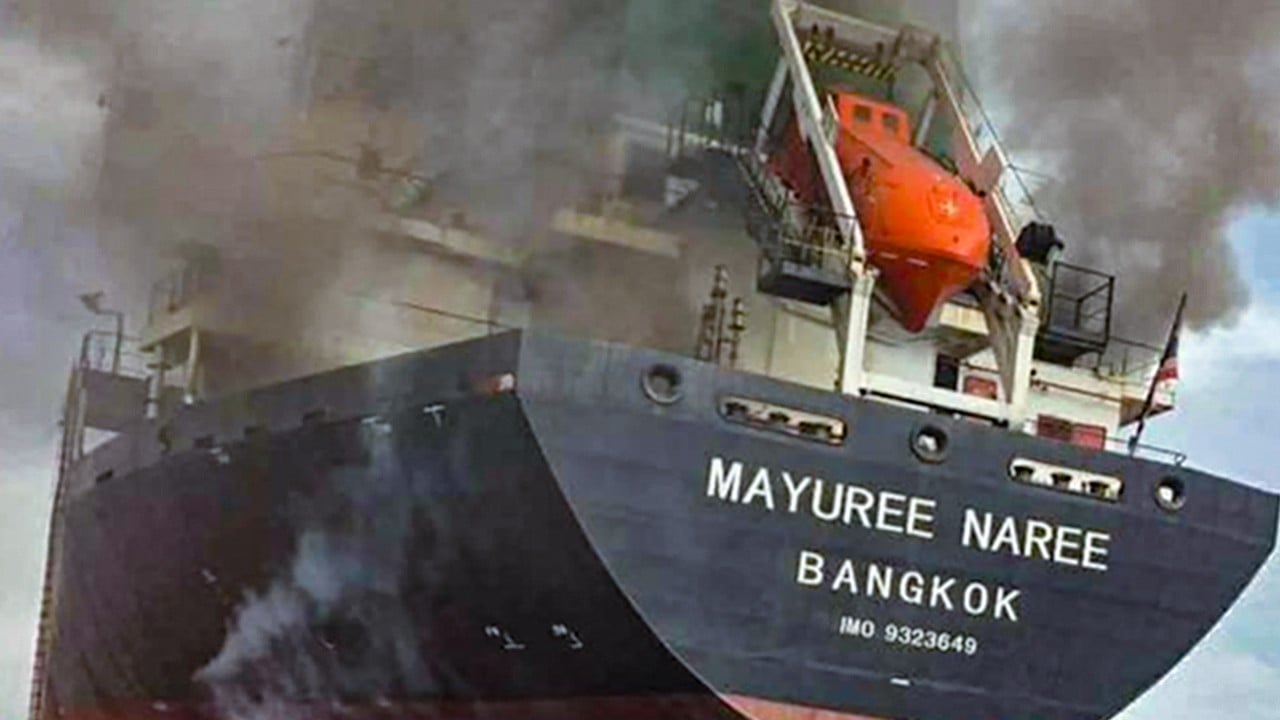
Energy shocks do not arrive with explosions or sudden martial decrees. They arrive quietly on maritime manifests, recorded as a subtle widening of trade deficits in Bangkok, Islamabad, and Manila. When global hydrocarbon prices spike, import-dependent emerging economies face an immediate structural squeeze. Their foreign exchange reserves bleed out to pay for the same volume of crude and liquefied natural gas they consumed the previous month.
The mainstream press often stops at the superficial observation that expensive oil hurts growth. That analysis misses the mechanics of modern sovereign distress. In similar updates, we also covered: Pricing Friction and Trade Exposure in Suzhou Dongshan's Hong Kong Listing.
Asia’s vulnerability is rooted in a specific balance sheet mismatch. Over the past decade, corporate and sovereign borrowers across South and Southeast Asia accumulated substantial dollar-denominated liabilities. When energy prices surge, local currencies depreciate against the greenback as trade balances turn negative. Simultaneously, domestic central banks face imported inflation, forcing them to raise local interest rates to defend their currencies.
The result is a compound fracture. Governments must service foreign-currency debt with depreciated local revenues while domestic borrowing costs skyrocket. This is the precise anatomy of the region's next debt crisis. It is not triggered by reckless local spending alone, but by a structural trap where the cost of keeping the lights on consumes the fiscal space required to service sovereign obligations. Investopedia has analyzed this critical topic in extensive detail.
Subsidies as Fiscal Time Bombs
For decades, political survival in emerging Asian markets relied on a dangerous social contract: subsidized energy prices. Governments absorbed the volatility of global commodity markets by capping retail fuel and electricity tariffs, funding the difference through public debt or state-owned enterprise borrowing.
This mechanism worked tolerably during periods of low global interest rates and stable commodity cycles. It has become lethal.
Consider the mechanics of state-directed energy subsidies during a sustained price shock. When international natural gas prices triple, utilities cannot pass those costs to retail consumers without risking severe social unrest. Instead, power producers run massive operational deficits. To keep operating, these utilities borrow heavily from domestic commercial banks, often backed by sovereign guarantees.
This dynamic quietly migrates private-sector energy debt onto the sovereign balance sheet. The debt does not vanish; it changes form. Sovereign debt-to-GDP ratios swell, credit ratings slip, and the cost of issuing new sovereign bonds climbs. Investors who view these economies through the lens of headline GDP growth completely overlook this hidden municipal liability until rating agencies downgrade sovereign debt to junk status overnight.
To understand how this plays out in practice, look at a hypothetical emerging market heavily reliant on imported liquefied natural gas for base-load power generation. Assume the nation imports seventy percent of its energy needs. A doubling of global spot prices adds billions to the annual import bill. If the government maintains retail price caps, the national oil and gas company accumulates debt obligations to international suppliers that exceed its total annual revenue. Within eighteen months, the sovereign is forced to seek emergency balance-of-payments support from multilateral lenders, not because of structural economic mismanagement, but because it ran out of hard currency to buy fuel.
The Sovereign-Bank Loop
A severe energy shock triggers a secondary vulnerability known to crisis historians as the sovereign-bank doom loop. As state-owned enterprises and governments issue more debt to finance energy imports and subsidies, local commercial banks absorb these bonds to support national policy goals.
Local banks become heavily exposed to sovereign risk. When the value of government bonds drops in response to fiscal deterioration, the capital reserves of domestic financial institutions take a direct hit. Lending to the broader private sector contracts sharply.
Credit availability dries up for small and medium enterprises, choking off domestic economic activity. The energy shock metastasizes into a broader banking crisis.
Foreign investors observe this deterioration and pull capital out of local equity and bond markets, accelerating currency depreciation. Central banks are then trapped in a policy trilemma. If they raise interest rates to defend the currency, they crush domestic businesses and increase the government's borrowing costs. If they lower rates to support growth, the currency collapses, making imported energy even more expensive. There is no painless exit from this cycle once external debt levels cross critical thresholds.
Structural Fault Lines Across the Region
Not all Asian economies share this risk profile equally. Vietnam and Malaysia possess domestic oil and gas production that buffers them against global price swings, though even they face secondary pressures when global demand softens. The acute danger concentrates in net importers with low foreign exchange reserves and high external financing needs.
Pakistan and Sri Lanka provided early warnings of this dynamic, though their crises involved unique political missteps. The broader systemic risk now threatens nations with moderate institutional strength that rely on short-term external debt to finance structural trade deficits. When energy import bills consume more than thirty percent of total export earnings, the math breaks down. Reserves dwindle below the standard metric of three months of import cover, triggering speculative attacks on the local currency.
International financial institutions frequently prescribe fiscal austerity as the cure for these imbalances. They demand the immediate removal of energy subsidies and tax hikes to restore budgetary discipline.
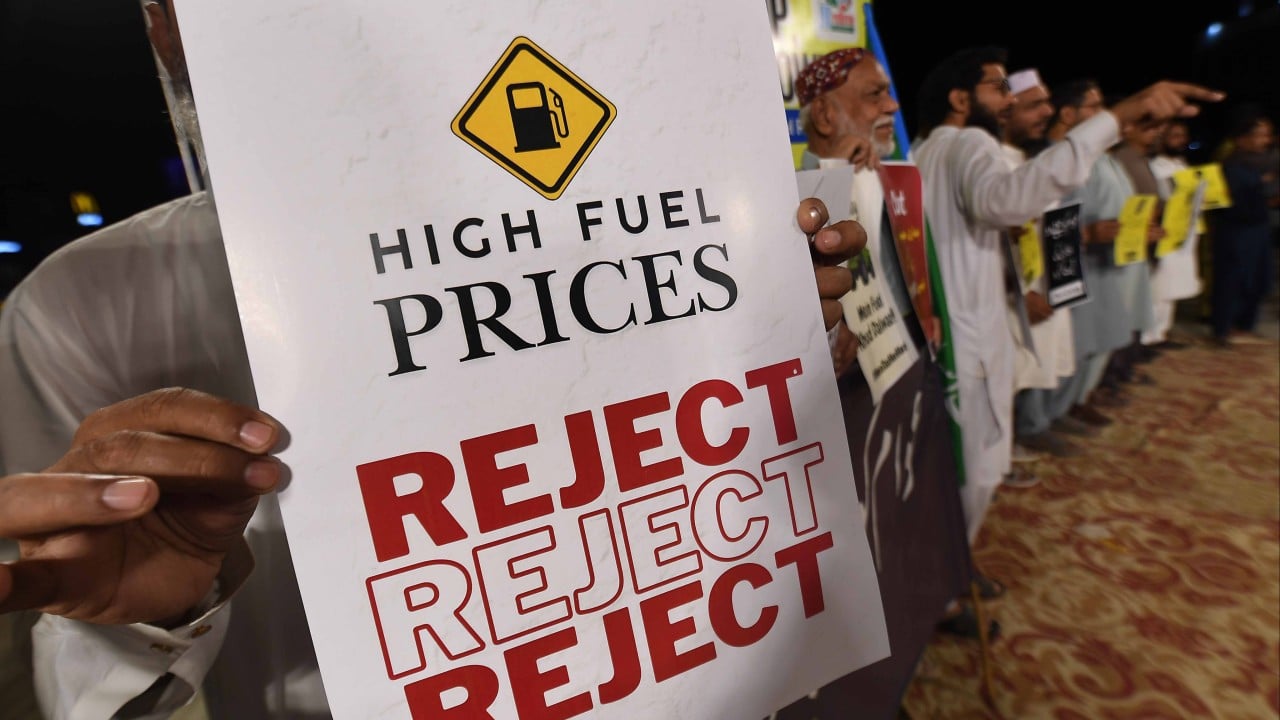
This prescription often fails to account for the political economy of energy in developing nations. Rapidly tripling electricity tariffs to satisfy an International Monetary Fund structural benchmark can provoke mass protests, forcing governments to reverse course and losing foreign assistance in the process. The friction between global financial orthodoxy and domestic political survival creates prolonged periods of policy paralysis.
The Hard Choices Ahead
Navigating this terrain requires acknowledging that cheap fossil fuels are unlikely to return on a sustained basis. The global energy system remains structurally tight due to underinvestment in upstream production and shifting geopolitical alignments. Asian economies that fail to accelerate domestic renewable deployment, grid modernization, and targeted social safety nets will remain exposed to every swing in commodity markets.
Resolving the underlying debt exposure demands radical transparency. Governments must stop masking fiscal deficits through off-balance-sheet borrowing by state-owned utility companies. Lenders and credit rating agencies need to price sovereign risk with a clearer view of contingent liabilities tied to energy import dependencies.
The next crisis will not announce itself with a sudden crash. It will be built slowly, transaction by transaction, as central banks sacrifice their remaining foreign reserves to buy oil cargoes that cost twice what they did five years ago.