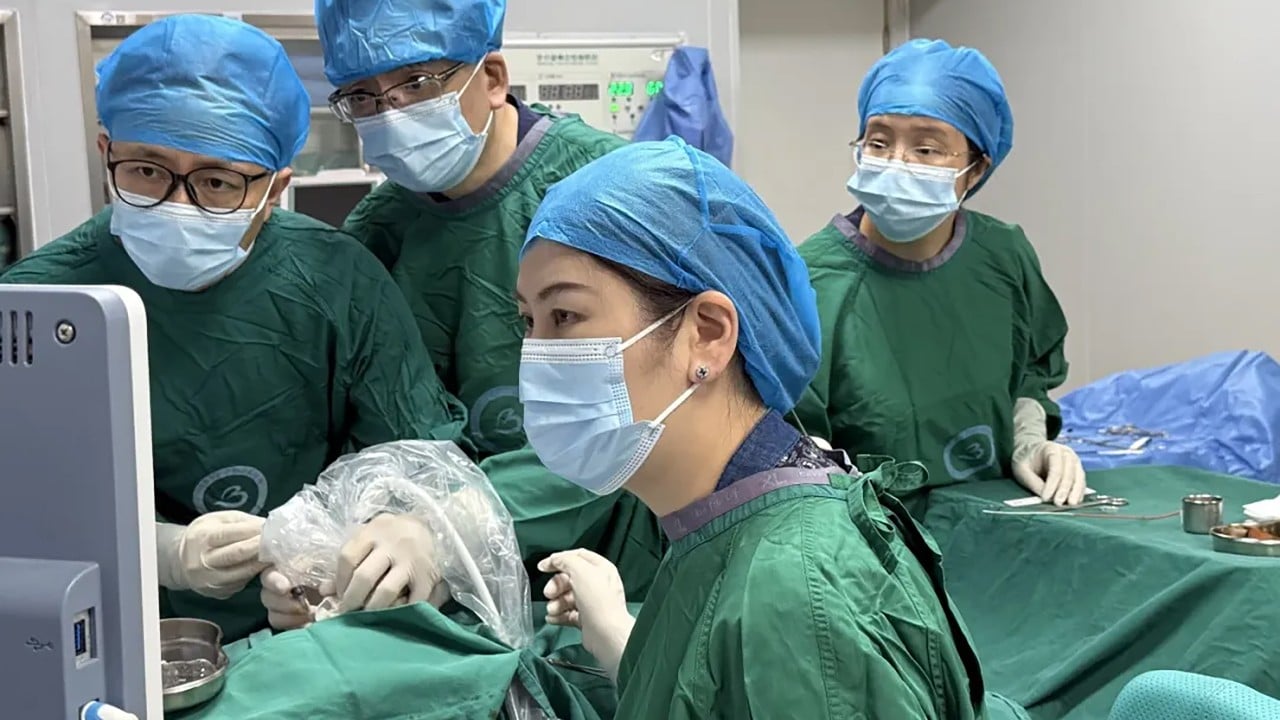
The thermometer on the hospital wall read thirty-eight degrees Celsius, and the air conditioning unit had given out three hours prior. Inside the postnatal ward, an obstetrician stood wiping sweat from her brow, watching a monitor record erratic fetal heart traces. This is not a scene from a disaster film in a developing nation. It is an ordinary Tuesday afternoon in modern maternity hospitals spanning from urban centers in Brazil to rural districts in Zimbabwe, and increasingly, across metropolitan wards in the global north.
Rising global temperatures have rewritten the rules of obstetrics. For decades, medical textbooks treated pregnancy as a physiological state insulated from environmental shifts, save for basic warnings about hydration during summer months. That orthopedic certainty is shattering. Recent international surveys of maternity healthcare professionals reveal that nearly three-quarters of clinicians have witnessed a direct upswing in heat-driven complications over a five-year window. The medical establishment is waking up to an uncomfortable reality: extreme heat functions as a systemic teratogen and a vascular stressor, weaponizing the ambient environment against both mother and child. For an alternative look, check out: this related article.
The Physiological Breaking Point
To understand why a heatwave triggers catastrophic obstetric events, one must look closely at how a pregnant body manages thermal regulation. Gestation fundamentally alters a woman's cardiovascular system. Blood volume increases by nearly fifty percent, heart rate accelerates, and baseline
When Heat Kills Before Birth The Unreported Danger Threatening Newborns
health
news Similar analysis on this matter has been published by Healthline.
Extreme heat is actively reshaping human reproduction. While public health messaging remains fixated on elderly heatstroke and grid failures during peak summer months, a quieter, more devastating crisis is unfolding inside delivery wards and neonatal intensive care units. Rising global temperatures are directly driving a surge in preterm births, low birth weights, and devastating pregnancy complications. This is not a distant future scenario. It is a present-day catastrophe happening across urban centers and rural hospitals alike, fueled by climate shifts that our healthcare infrastructure was never built to withstand.
The Physiological Breaking Point
The human body possesses sophisticated cooling mechanisms, but pregnancy alters cardiovascular and thermoregulatory baselines in ways that make mothers uniquely vulnerable. When ambient temperatures spike, maternal blood vessels dilate to shunt blood to the skin for cooling. This diversion reduces perfusion to the placenta. The fetus relies entirely on maternal blood flow for oxygen and nutrient delivery. Deprive the placenta of optimal circulation for prolonged periods, and the cascade of cellular distress begins.
Prolonged heat exposure triggers systemic inflammation. Elevated core body temperatures stimulate the production of inflammatory cytokines and heat shock proteins. These molecular signals can prematurely rupture membranes or stimulate uterine contractions. In clinical settings, obstetricians are seeing an alarming uptick in early labor presentations during multi-day heatwaves.
The mechanism is mechanical and relentless. Dehydration concentrates maternal blood, reducing uteroplacental blood flow further and spiking the risk of intrauterine growth restriction. When a pregnant person experiences persistent heat stress, their body essentially treats the thermal burden as an emergency, prioritizing maternal survival at the expense of fetal development.
The Spatial and Economic Divide
Extreme heat does not impact all expectant parents equally. Neighborhood design dictates survival. Urban heat islands—concrete-heavy districts stripped of tree canopy and saturated with asphalt—can record temperatures ten to fifteen degrees higher than surrounding green spaces. Low-income neighborhoods frequently overlap with these thermal deserts.
Consider a hypothetical case study often observed in public health data. Two pregnant workers in the same metropolitan area face vastly different thermal realities during a week-long heatwave. One works in a climate-controlled corporate office, commutes in an air-conditioned vehicle, and lives in a modern apartment with reliable HVAC. The other works in an unconditioned warehouse or outdoor logistics role, relies on aging public transit with broken ventilation, and returns home to a poorly insulated apartment where indoor temperatures match or exceed the outdoor peak.
The biological toll on the second worker is compounding. Without access to continuous cooling during sleep, the maternal body never achieves the nighttime thermoregulatory recovery period essential for fetal growth. This disparity transforms climate change into a direct driver of health inequality. Low-income mothers bear the brunt of preterm delivery risks simply because they cannot buy their way out of thermal exposure.
Institutional Blind Spots
Healthcare systems remain dangerously unprepared for this reality. Most prenatal care models were designed decades ago, operating under the assumption of stable, moderate climates. Obstetric protocols rarely include heat vulnerability assessments during routine checkups. Clinicians ask about nutrition, smoking status, and blood pressure, but frequently omit questions about housing insulation, workplace temperature control, or access to functional air conditioning.
Hospitals themselves are vulnerable. During severe grid failures triggered by excessive air conditioning demand, backup generators prioritize surgical suites and intensive care units, but auxiliary cooling systems in standard maternity wards can falter. The infrastructure supporting perinatal care is buckling under the weight of weather extremes it was never engineered to handle.
Insurance models and public health policies compound the failure. Air conditioning is routinely classified as a comfort appliance rather than a life-saving medical device. Until health authorities reclassify sustained thermal extremes as a direct teratogenic threat—a factor that actively causes structural or functional developmental abnormalities—funding for preventative interventions will remain stagnant.
Reengineering Perinational Protection
Mitigating this crisis requires an immediate overhaul of how prenatal care interfaces with environmental hazards. Clinical guidelines must incorporate heat action plans for high-risk patients. When a heat advisory is issued, obstetricians should proactively contact patients in the second and third trimesters, treating extreme thermal events with the same clinical urgency as a spike in blood pressure or gestational diabetes.
Workplace protections for pregnant laborers must move beyond voluntary guidelines. Mandating mandatory rest intervals in temperature-controlled spaces, hydration protocols, and shift adjustments during peak heat hours is non-negotiable if we intend to protect fetal health at the population level. Furthermore, municipal zoning must prioritize urban greening and cool-roof mandates in historically underserved neighborhoods, viewing tree canopy coverage as essential reproductive healthcare infrastructure.
The data is definitive, the biological mechanisms are clear, and the human cost is mounting in neonatal wards every single day. We can no longer treat extreme weather as an episodic inconvenience when it is actively rewriting the earliest chapters of human life.