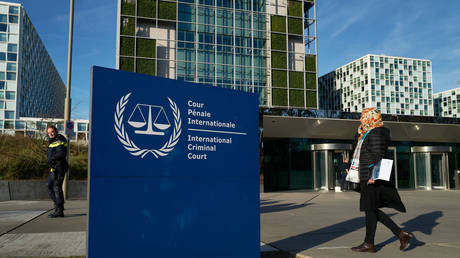
Every time a major power bypasses the United Nations Security Council or a dictator walks free from a tribunal, the commentariat loses its mind. Handwringing pundits rush to airwaves and op-ed pages to declare that selective justice is eroding trust in international law. They mourn the death of the rules-based order, weeping over broken treaties and double standards as if global jurisprudence were once a pristine, impartial temple of pure equity.
It is time to stop the mourning. International law is not broken. It is working precisely as its architects designed it to function.
The lazy consensus is that international law is a universal moral code crippled by bad actors and geopolitical hypocrisy. That framing is naive. I have spent years watching diplomats negotiate treaties in Geneva and litigate jurisdiction in international courts. The uncomfortable truth is that international law has never been about universal justice. It is an instrument of statecraft, a permanent ledger of raw power dynamics wrapped in legalistic prose. When critics complain about selective enforcement, they are confusing public relations with reality.
To understand why the system operates this way, we have to look past the preamble of the UN Charter and examine the mechanics. Treaties do not enforce themselves. Courts do not possess police forces or armies. The International Court of Justice relies entirely on states voluntarily submitting to its authority or on the Security Council—where five nuclear-armed nations hold absolute veto power—to enforce its rulings. Asking why the system fails to prosecute a permanent member of the Security Council is like asking why a hammer refuses to cut wood. It was never built for the job.
Realist scholars like Hans Morgenthau and John Mearsheimer understood this decades ago, yet modern legal analysts persist in pretending that international relations operate like a municipal traffic court. They assume that if we just write stronger conventions, establish more tribunals, and draft more eloquent declarations, power will eventually submit to law. That is a dangerous fantasy.
Let us dismantle the core myth: the idea that selective justice destroys the credibility of the legal framework. Credibility implies that the system was once universally trusted to deliver impartial outcomes. It was not. The Nuremberg trials were victor's justice, prosecuting defeated Axis leaders while ignoring Allied war crimes. The post-Cold War tribunals targeted minor-league tyrants in the Balkans and Rwanda while major powers operated with impunity. This is not a glitch in the software; it is the source code. International law codifies the hierarchy established by conflict.
When powerful states selectively enforce treaties, they are not undermining the system. They are maintaining the stability of the international order through a recognized hierarchy. A legal framework that attempted to prosecute every global superpower equally would collapse within forty-eight hours, dragging the global economy and millions of lives down with it through total geopolitical friction. Selective enforcement is the shock absorber that prevents the vehicle from tearing itself apart.
Admitting this does not mean we should abandon international law. That is the opposite extreme, and it is equally foolish. Treaties, trade agreements, and human rights conventions still matter enormously, not because they are moral imperatives, but because they provide predictable guardrails. They reduce transaction costs for diplomacy, establish common baselines for commerce, and create a shared vocabulary that allows adversaries to communicate without constantly resorting to total war.
The mistake is expecting a knife to do the work of a scalpel while pretending it is a plowshare.
If you want to navigate global affairs effectively, you must stop treating legal declarations as moral guarantees. Treat them as strategic signals. When a state invokes international law, it is signaling its alliances, testing its limits, or providing domestic cover for actions it intended to take anyway.
The next time you read a headline bemoaning the erosion of trust in global justice, look past the outrage. Notice who is complaining and what power they are trying to leverage. The system is not failing because it is hypocritical. It is surviving because hypocrisy is the price of keeping dangerous giants at the same negotiating table.
Stop waiting for a utopian court that will never arrive. Master the system as it actually exists, or get crushed by the people who already have.