The United States Treasury is preparing to penalize another foreign financial institution as part of an escalating campaign to choke off Tehran's access to global commerce. Treasury Secretary Scott Bessent has signaled that upcoming actions will target entities facilitating illicit transactions, expanding on measures designed to isolate the Iranian economy. This strategy relies on secondary sanctions, a heavy-handed diplomatic tool that threatens to cut foreign banks off entirely from the American financial system if they continue servicing blacklisted Iranian clients.
Financial statecraft has evolved far beyond traditional diplomacy. Modern economic warfare functions through digital ledgers, SWIFT messaging intercepts, and hidden network mapping. When the Treasury Department targets an overseas bank, it is not merely slapping a fine on a ledger entry. It is delivering an existential threat to institutions that rely on dollar-denominated liquidity to survive.
The Mechanics of Secondary Pressure
Primary sanctions forbid American citizens and entities from doing business with a targeted country. Secondary sanctions cross international borders. They penalize non-U.S. companies and foreign banks for engaging in specific transactions with blacklisted entities, even if no American jurisdiction or currency is directly involved in that single trade.
For any major international bank, losing access to clearing transactions in U.S. dollars equals a slow commercial death. Global trade relies on the greenback. Without it, a bank cannot settle international accounts, service its own debt, or maintain correspondent banking relationships with major Western institutions.
Treasury officials utilize this vulnerability to impose compliance extraterritorially. When Secretary Bessent warns that foreign lenders have a limited timeline to clean up their books, he is weaponizing the architecture of global finance. Institutions caught moving capital for Iranian oil brokers, shipping fronts, or technology procurement networks face immediate ostracization.
Tracing the Shadow Trade
Tehran has spent decades perfecting the art of economic evasion. Following previous waves of restrictions, Iranian authorities constructed a vast, decentralized web of shell companies, front organizations, and maritime intermediaries. Tankers routinely spoof their transponder signals, drifting through dark zones in maritime traffic to offload crude oil to independent refiners, particularly in parts of Asia.
To finance these operations, the regime relies on a tier of cooperative financial institutions located in jurisdictions with lax regulatory enforcement or geopolitical alignments separate from Washington. These banks process payments through obscure channels, converting oil revenue into gold, digital assets, or clean fiat currency.
Consider a hypothetical scenario involving a regional lender in the Middle East or South Asia. The bank opens an account for a seemingly benign trading company registered in a tax haven. Beneath the surface, that company acts as a conduit for the Islamic Revolutionary Guard Corps, moving funds to purchase dual-use missile components. When Treasury investigators map the transaction flow—tracing invoices, shipping manifests, and correspondent bank hops—they identify the specific node where illicit cash enters the formal banking system. That node becomes the target for punitive designation.
Diplomatic Friction and Global Fallback
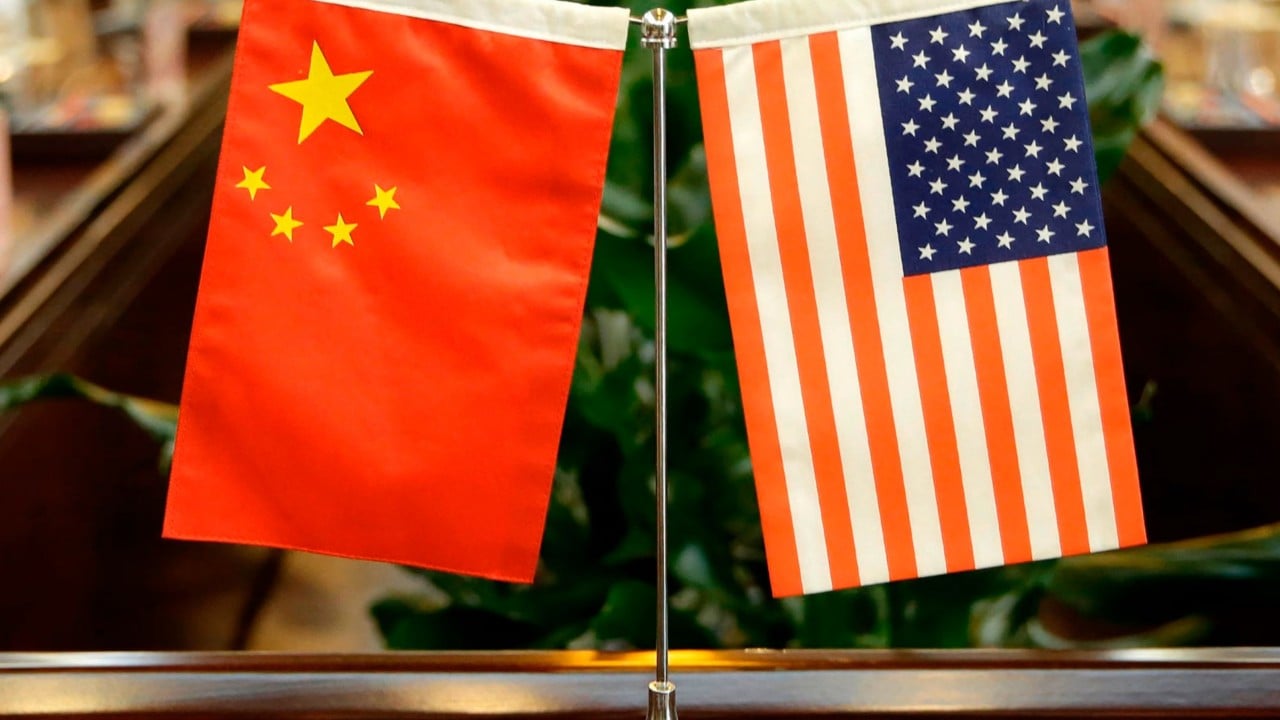
Executing this campaign requires walking a precarious diplomatic tightrope. Iran's largest trading partners include major global economies and regional powerhouses. Threatening systemic penalties against banks in countries like China, Turkey, or the United Arab Emirates risks triggering major trade retaliation and destabilizing energy markets.
While the Treasury rolled out proposed rulemaking targeting specific regional branches—such as actions involving Egypt's Banque Misr operations in the UAE—broader direct confrontations with systemically important Chinese financial institutions remain heavily calibrated. Washington must balance the urge for total financial asphyxiation against the reality that heavy-handed overreach could alienate cooperative allies and accelerate global de-dollarization efforts.
Foreign capitals have pushed back against Washington's mandates, labeling the threats as coercive overreach. Yet, the pressure yields measurable compliance shifts. Private sector actors, fearful of becoming collateral damage in a U.S. Treasury crossfire, often self-police by dropping controversial accounts before official sanctions drop.
The upcoming enforcement actions represent a crucial test for the administration's maximum pressure doctrine. As the Treasury finalizes its next targets, the real indicator of success will not be the number of press releases issued, but whether foreign boards decide the risk of processing one more Iranian transaction outweighs the reward