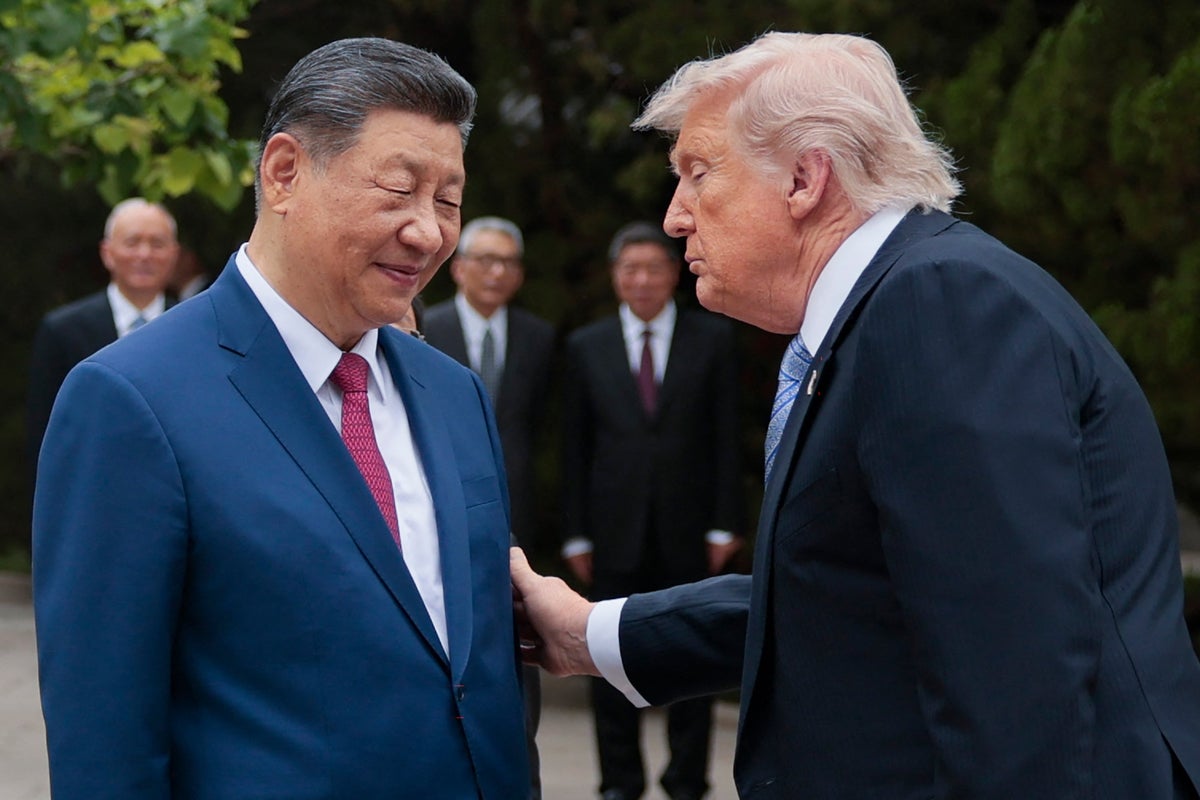
President Donald Trump is racing against the clock to complete a massive permanent granite helipad and reshape the iconic South Lawn ahead of Chinese President Xi Jinping’s scheduled arrival on September 24. The frantic pace of infrastructure updates at 1600 Pennsylvania Avenue reflects a broader, highly personal ambition by the administration to permanently stamp its physical footprint on Washington. Behind the political theater of showing off freshly poured topsoil and high-grade stone lies a complex mix of logistical necessity, engineering challenges, and high-stakes diplomatic stagecraft.
For decades, the White House lawn has accommodated Marine One helicopters without incident. However, the introduction of heavier, next-generation aircraft carries exhaust and heat profiles capable of scorching traditional turf down to the roots. Federal officials spent years quietly studying solutions to protect the landscape before construction crews finally tore up vast swaths of the South Lawn to lay a solid foundation. The project required an unexpected mid-construction pivot. Workers had to rip up initial grading efforts because the landing zone did not match the precise horizontal plane the White House demanded.
Lifting the structure to bring it flush with the revised slope delayed the timeline by weeks, turning the countdown to Xi’s visit into a nail-biting schedule for round-the-clock construction crews.
The Politics of Granite and Concrete
Architecture inside the executive mansion has rarely been apolitical. By replacing asphalt paths and standard concrete with white granite capable of withstanding tens of thousands of pounds of pressure per square inch, the administration is leaning heavily into its developer roots. The president recently led reporters on an impromptu tour of the active construction zone, autographing the underside of a granite slab shaped like an eagle's head that will soon form part of the massive presidential seal embedded in the pad.
This builder-in-chief persona serves a dual purpose. Domestically, it projects an image of constant momentum and hands-on control, even as major legislative items face headwinds and poll numbers fluctuate. Internationally, the timing sends an unmistakable signal to visiting heads of state. Hosting a foreign leader of Xi's stature on a newly minted, high-security presidential arrival zone offers a distinct visual upgrade from traditional turf landings. It projects permanence, industrial might, and meticulous attention to detail.
Yet, this physical transformation has not arrived without friction. Legal battles continue to entangle adjacent projects, including the sprawling underground complex and ballroom construction on the East Wing. Critics and neighborhood preservationists argue that the scale of these structural additions threatens the historic integrity of the executive estate. The administration has pushed back aggressively, asking the Supreme Court to clear the path for ongoing construction on national security grounds, citing the necessity of modern anti-drone protections and secure briefing spaces.
Diplomatic Optics for Late September
When Xi Jinping steps off the aircraft next month, the immediate theater of his reception will rely entirely on whether construction teams can hit their targets. Workers on site have expressed confidence that the heavy granite structure will be fully operational by September 21, leaving a slim three-day buffer before the high-stakes bilateral meetings begin.
The coordination required to pull off an engineering feat of this magnitude in the heart of the nation's capital highlights the unique authority wielded by an administration willing to bypass conventional bureaucratic sluggishness. Whether these monumental structural changes will alter the long-term aesthetic legacy of the executive mansion remains a point of intense debate among historians. For now, the machinery on the South Lawn continues to run day and night, cementing a physical reality that will greet the next generation of American leaders long after the dust settles.
This video from YouTube provides additional news coverage and visual footage of President Trump showcasing the ongoing White House helipad construction to reporters ahead of the scheduled diplomatic visit.
http://googleusercontent.com/youtube_content/1