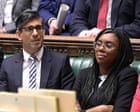
Fresh biographical disclosures from political historian Anthony Seldon in his new book, Sunak at 10: The Last Conservative PM?, reveal that current Conservative leader Kemi Badenoch actively plotted with fellow cabinet ministers to depose Rishi Sunak months before the July 2024 general election. Operating from her former position as business secretary, Badenoch allegedly sounded out colleagues about "changing the captain" amid intense internal fracturing over migration policy. While Badenoch's camp has dismissed the claims as false, the revelations open a much wider window into the toxic undercurrents that crippled the administration from within long before voters ever went to the polls.
The Anatomy of Cabinet Insurrection
Governance at the highest level relies on a fragile web of mutual survival. When public approval numbers plummet, that web invariably snaps.
According to accounts detailed in Seldon’s research, the friction between Sunak and his business secretary was not merely ideological. Personal grievances accumulated rapidly behind closed doors. Badenoch reportedly felt marginalized and treated with casual disrespect by Downing Street aides and the prime minister himself.
When Robert Jenrick walked away from his post as immigration minister in December 2023 over the perceived weakness of the Rwanda deportation framework, the fracture lines widened into chasms. Internal dissent transformed into active contingency planning. Ministers who calculated that the party was heading toward historic electoral annihilation began looking for lifeboats. For Badenoch, that meant sketching out shadow cabinet line-ups and testing the waters for an eleventh-hour leadership challenge.
Why the Mutiny Stalled
A coup in Westminster requires momentum, arithmetic, and above all, a viable exit strategy from blame. The operation against Sunak ultimately stalled because of cold political math rather than sudden loyalty.
Several distinct factors paralyzed the conspirators:
- The Fear of the Fag-End Premiership: Taking over a sinking ship weeks before a mandatory electoral reckoning meant inheriting total responsibility for a catastrophic defeat.
- Rival Ambitions: Internal polling and caucus sentiment suggested that alternative contenders, notably Penny Mordaunt, might block a clean path to the crown.
- The Blame Game: Aspiring leaders quickly realized that pulling the trigger on a sitting prime minister would permanently brand them as the gravedigger of the parliamentary party.
Opting for self-preservation over open rebellion, the disaffected ministers chose to stay put, sniping from the interior while the administration bled out day by day.
The Cost of Permanent Infighting
Sunak himself was well aware of the whispered phone calls and imaginary cabinet rosters circulating through ministerial offices. Yet his response was defined by a stoic, almost fatalistic isolation. Confidants noted that he viewed the plotters as self-absorbed actors seeking attention while the machinery of state ground to a halt.
By the time the rain poured down on Downing Street and the general election was called, the Conservative Party was not merely fighting an opposition wave; it was fighting itself. The revelations from Sunak at 10 confirm that long before the electorate delivered its verdict, the government had already collapsed morally and structurally from the inside out.


