Traditional municipal shelters often fail the exact people they are meant to protect. Massive congregate spaces can feel unsafe, strict rules separate unhoused individuals from their pets or partners, and the sheer institutional scale breeds a sense of alienation. That is why grassroots initiatives are stepping up to bypass bureaucratic gridlock entirely. In southwest Scarborough, a private parking lot is transforming into a lifeline.
Ryan Donais and the non-profit organization Tiny Tiny Homes are leading a charge to build "Brent’s Place," a ten-unit micro-shelter community designed to give unhoused people a dignified transition off the streets and into permanent housing. Instead of waiting years for municipal funding approvals or getting bogged down by red tape, community builders are proving that grassroots action can deliver real shelter at a fraction of traditional costs. Meanwhile, you can explore related stories here: The Syrian Parliament Dissolves the Anti Terrorism Court and Renders Past Rulings Null.
What Brent’s Place Actually Looks On the Ground
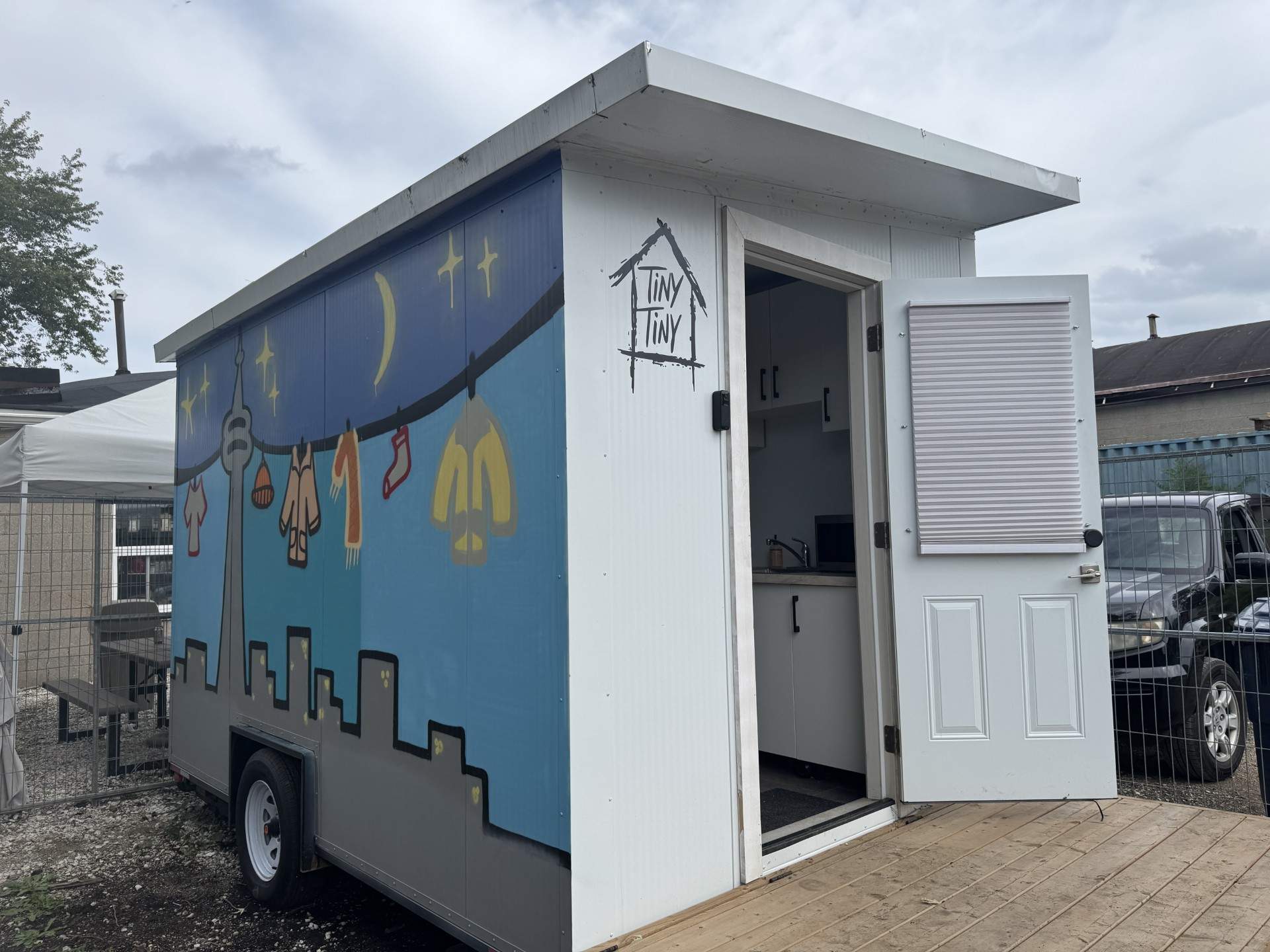
Located behind a local family-run catering business, Sefonias Catering, the new village relies on donated materials, sweat equity, and private land. The catering company agreed to lease their underutilized back lot for just one dollar a year over three years.
The layout isn't just a collection of sheds. It's a structured transitional environment: To see the bigger picture, check out the excellent article by The New York Times.
- Ten individual micro-homes: Each pet-friendly unit features a bed, a microwave, a mini-fridge, and built-in storage.
- Shared infrastructure: A large common area trailer provides communal space, while separate, dedicated washrooms serve the residents.
- Integrated meals: Sefonias Catering plans to supply breakfast, lunch, and dinner, turning daily nutrition into a community-building routine.
- On-site support: Staff members are integrated into the daily flow to ensure residents have a reliable bridge toward permanent independence.
The project is named in memory of Brent, an unhoused man who battled stage four cancer and was forgotten by institutional safety nets until advocates stepped in. Donais and his team built the village so that vulnerable people would not have to face terminal illness or harsh winters exposed to the elements.
Why Micro-Shelters Work When Big Systems Stalled
Large institutional shelters carry massive overhead and struggle with individual outcomes. Building traditional permanent affordable housing units can cost hundreds of thousands of dollars per door and take years to navigate zoning boards. Micro-shelter communities completely alter the math.
By utilizing private commercial spaces that would otherwise sit vacant—like gravel lots or back parking zones—grassroots groups bypass the traditional land acquisition bottleneck. They provide immediate, human-scale privacy. When you give someone a locking door, a warm bed, and a safe place for their dog, you restore the autonomy required to start looking for a job or filling out housing applications.
Mike McDougall, a former resident of a Tiny Tiny Homes project who transitioned successfully into his own apartment, puts it bluntly: many people on the street actively avoid conventional shelters because of the chaotic environment. Having a private micro-cabin acts as a stable staging ground, bridging the terrifying gap between sleeping in a park and signing a lease.
Overcoming Institutional Resistance and Funding Hurdles
Building a tiny home village is rarely smooth sailing. Regulatory hurdles, outdated zoning laws, and pushback from neighborhood groups often threaten grassroots housing initiatives. While the City of Toronto has introduced expression-of-interest frameworks for micro-shelter pilot projects, community builders frequently find themselves moving faster than municipal bureaucracy.
Funding remains an ongoing hustle. Projects like Brent’s Place rely heavily on public donations, local business partnerships, and volunteer labor to hit budget goals that hover around $350,000 for full site completion. Every dollar saved on excavating, fencing, and materials through community donations stretches the impact further than standard government procurement could ever manage.
Taking Action and Supporting Local Solutions
If you want to see real change in your neighborhood, stop waiting for municipal governments to solve housing crises entirely from the top down. Support local grassroots charities that build direct, low-barrier solutions. Whether it is donating building materials, volunteering labor, or advocating for zoning reforms that allow micro-communities on commercial plots, individual engagement makes the difference between a winter spent on cold asphalt and a warm bed behind a locking door.
Keep an eye on organizations like Tiny Tiny Homes, support businesses that donate land and resources to social causes, and push local representatives to cut the red tape standing in the way of rapid-deployment housing. Dignity shouldn't have to wait for a municipal committee meeting.
Micro-shelter community being built in Scarborough
This short video clip provides a quick look at the Tiny Tiny Homes charity project in Scarborough, highlighting the layout and the mission to help unhoused individuals transition into permanent housing.