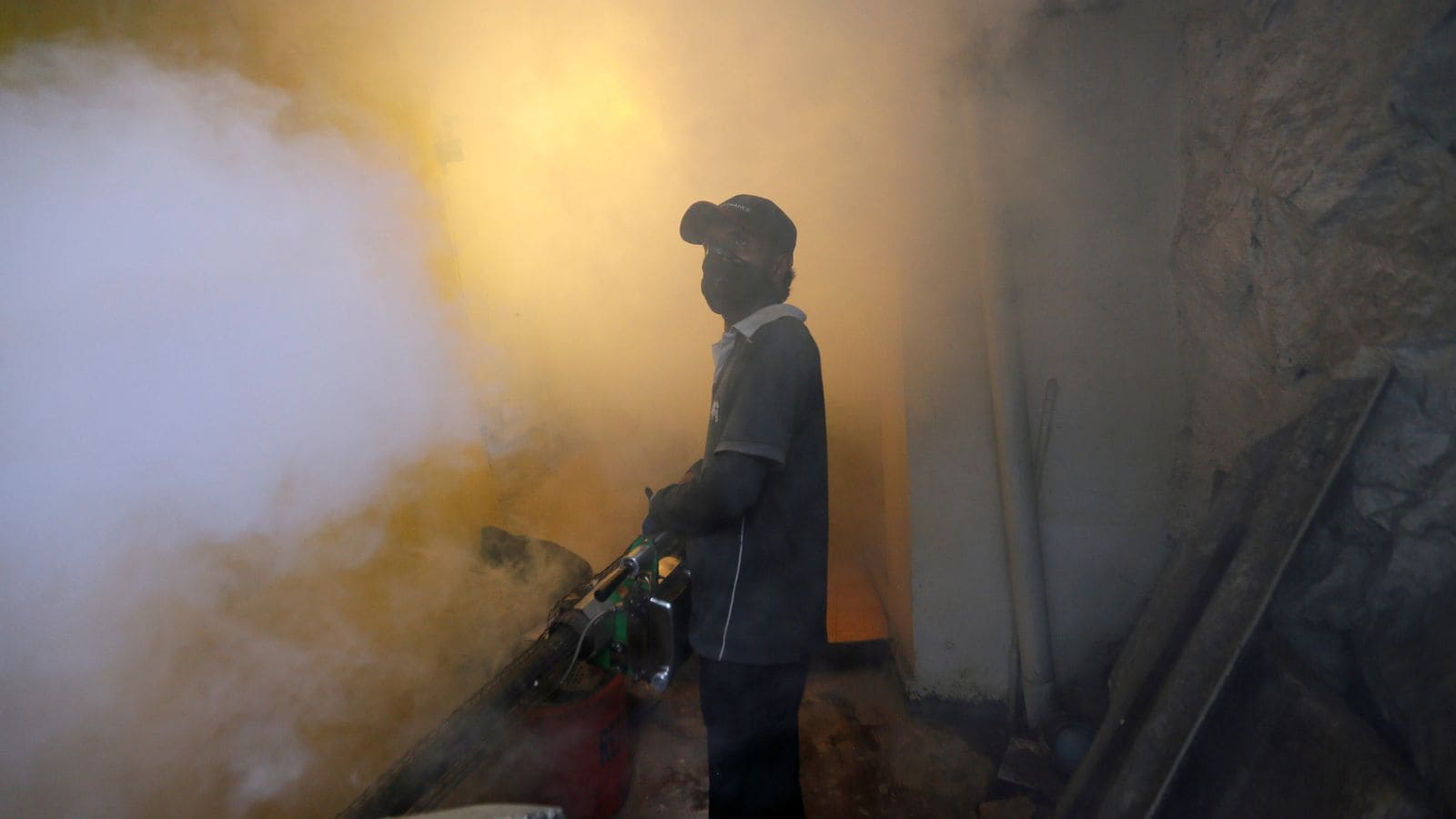
An outbreak of the Ebola virus has claimed over 800 lives, driven largely by traditional burial practices and unsafe handling of deceased victims. The current surge underscores a persistent public health failure: the inability to contain post-mortem viral shedding in communities where cultural mourning rituals conflict with biological safety protocols. When an individual dies of Ebola, their body harbors an extraordinary viral load, turning funeral preparations into massive amplification events. Stopping this chain of transmission requires an immediate shift toward culturally adapted safe burials, rapid field diagnostics, and direct engagement with local religious leaders.
The Anatomy of Post-Mortem Viral Amplification
Ebola is not an airborne threat like influenza. It is a hemorrhagic fever spread through direct contact with infectious bodily fluids. During the early stages of infection, an individual may present with fever, muscle pain, and severe fatigue, gradually progressing to vomiting, diarrhea, and impaired kidney and liver function.
However, the dynamics of transmission change drastically at the point of death.
As a patient succumbs to the virus, their immune system collapses completely. The viral load inside systemic tissues hits its absolute peak. While a living patient in the early stages of disease might shed moderate amounts of viral particles, a deceased body is effectively saturated with live virus. Sweat, blood, saliva, and gastrointestinal fluids on the skin present immediate biohazards to anyone touching the corpse without heavy personal protective equipment.
Traditional funeral customs in many affected regions involve intimate preparation of the deceased. Relatives clean the body, perform ritual washings, groom the person for display, and share final embraces. Every touch becomes a high-density exposure event.
The math of an outbreak shifts violently during these rituals. A single uncontained funeral can directly infect dozens of attendees. Those individuals then return to their respective villages, incubating the virus for two to 21 days before falling ill and starting secondary transmission clusters.
Public health officials have understood this vector for decades. Yet containment efforts repeatedly stumble over the same fundamental error: treating a deeply rooted social event as a simple chemical decontamination problem.
Why Technical Containment Fails Without Community Buy-In
Early response strategies frequently relied on aggressive containment measures. Armored vehicles, hazmat-suited burial teams, and abrupt confiscation of bodies were standard practice. The rationale was simple: isolate the biological hazard immediately.
The results were catastrophic.
When medical teams confiscate corpses without explaining the biological rationale or providing a respectful alternative, communities react with predictable resistance. Families hide sick relatives from mobile health clinics. Bodies are buried secretly at night in unmonitored locations. The outbreak vanishes from official surveillance logs, only to re-emerge weeks later as an explosive cluster of unexplained deaths.
Public health containment breaks down when forced isolation overrides local trust.
To break transmission, international response teams must work alongside trusted community figures. Funeral rituals cannot simply be banned; they must be adapted.
Safe and Dignified Burials, a framework developed by international responders, allows families to participate in grieving without coming into contact with infectious fluids. Loved ones can observe the process from a safe distance, provide traditional clothing to wrap the body bag, and conduct religious prayers alongside trained personnel.
Where this framework is implemented respectfully, secret burials drop sharply. Where force is used, transmission spikes.
Overcoming Infrastructure Crises in Remote Outbreak Zones
Preventing post-mortem transmission is not merely a social challenge. It is an infrastructure nightmare.
Many affected communities lack reliable power grids, paved roads, and clean running water. Mobile field laboratories must operate in remote areas where maintaining a strict cold chain for diagnostic samples is nearly impossible.
When a suspect death occurs, response teams need rapid confirmation to initiate tracing protocols. Standard reverse transcription-polymerase chain reaction tests offer high accuracy but often require centralized lab facilities. Waiting days for laboratory confirmation creates a dangerous window of uncertainty. During that delay, a family must choose between holding a body in tropical heat or proceeding with immediate, unsafe burial.
Field-deployable rapid diagnostic tests have narrowed this window, but supply chains remain fragile. Distributing personal protective equipment to rural health posts requires steady logistics that frequently collapse during heavy rainy seasons or political instability.
Furthermore, local healthcare workers routinely bear the heaviest burden. Operating in rural clinics without consistent supplies of gloves, masks, or clean water, nurses and community doctors become infected while attempting basic care. Their deaths not only cripple the local health infrastructure but also erode community trust in medical facilities, driving patients back into home-based care where post-mortem transmission flourishes.
The Dual Defense of Therapeutics and Ring Vaccination
While containment at the community level halts immediate exposure, medical countermeasures provide the barrier necessary to extinguish outbreaks entirely.
Modern outbreak response relies heavily on ring vaccination strategies using proven vaccines like ERVEBO. Rather than attempting mass vaccination across entire populations, response teams identify an infected individual, trace all known contacts, and vaccinate those contacts alongside their immediate neighbors. This creates a buffer zone of immune individuals around every known case, severing the virus's path forward.
Simultaneously, monoclonal antibody treatments have fundamentally altered survival rates when administered early in the disease course. Therapies like Inmazeb and Ebanga directly target the viral glycoprotein, preventing the virus from entering host cells and replicating.
Yet these biomedical tools face the same bottleneck as burial teams: access.
Vaccines and therapeutics must be maintained at ultra-low temperatures, a technical impossibility in remote forest villages without specialized refrigeration equipment. If the logistics network fails, the medical intervention fails.
Redefining the Standard for Viral Outbreak Response
Ending severe Ebola outbreaks demands an end to top-down health paternalism.
Containing an outbreak is never purely a victory of biology or pharmacology. It is an achievement of logistics and trust. Public health agencies must prioritize frontline medical supplies and immediate, respectful dialogue with community elders over heavy-handed enforcement.
Until health systems treat local cultural dynamics with the same analytical rigor as viral mutation rates, deceased bodies will remain the primary engine of devastating outbreaks.