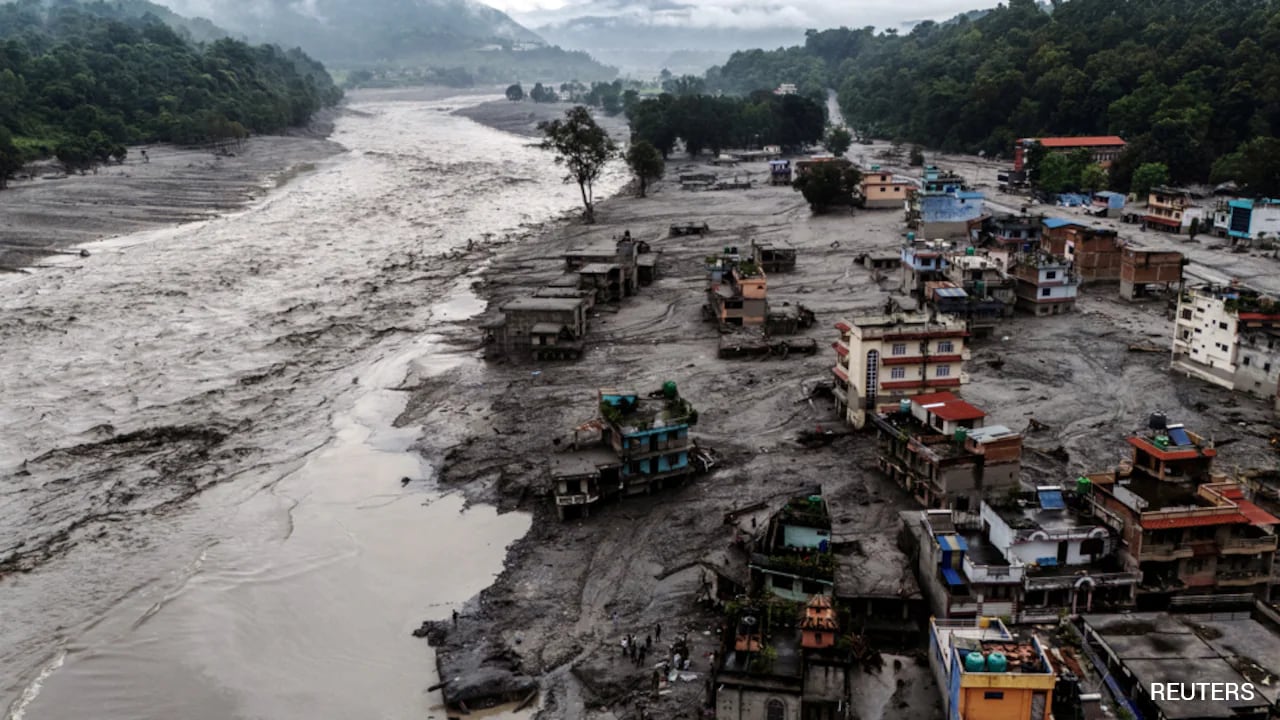
When the mountain passes dissolve into churning torrents of mud and debris, the official narrative usually defaults to acts of God and unpredictable climate shocks. During a six-day ordeal across the flood-ravaged terrain of Nepal, where roads completely vanished and death tolls climbed in remote valleys, the reality on the ground told a far more complex story. Nature provides the trigger, but human systems construct the catastrophe.
Weather tracking systems in South Asia have advanced significantly, yet warning dissemination at the municipal level remains broken. When heavy monsoon rains breached riverbanks and triggered massive landslides, blocking primary arteries like the Prithvi and Araniko highways, thousands of travelers and local residents found themselves stranded without institutional guidance. The fundamental issue during the Nepal floods was not just an absence of asphalt, but a total breakdown in emergency logistics, regional communication grids, and preemptive infrastructure management.
The Anatomy of Isolation
Villages perched along river valleys in districts such as Sindhupalchok and Kavrepalanchok did not slide into disaster overnight. Decades of unmitigated road expansion, cutting steep hillsides without proper drainage engineering, have left rural transport networks exceptionally vulnerable to seasonal water saturation. When the monsoon deluge hit, these hastily cut tracks turned into channels of destruction, washing away homes and cutting off entire communities from medical supplies and food relief.
Travel journalism often romanticizes the grit of survivors who keep moving through disaster zones, framing human endurance as a substitute for competent governance. Yet, enduring a six-day trek through landslide debris highlights a systemic failure of state preparedness.
- Road Construction Flaws: Unscientific slope cutting creates artificial hazards that amplify monsoon landslides.
- Communication Blackouts: Cellular towers fail within hours of major grid disruptions, leaving isolated regions entirely in the dark.
- Relief Bottlenecks: Heavy machinery required to clear blocked highways often sits hundreds of miles away in urban centers, delayed by bureaucratic procurement rules.
Bureaucratic Inertia on the Ground
While local youth groups and impromptu rescue squads improvised footpaths over blocked gorges, government machinery moved at a glacial pace. Heavy earthmovers were slow to deploy because regional authorities lacked localized disaster funds and had to wait for clearance from federal ministries in Kathmandu. This centralized bottleneck transforms manageable regional blockages into multi-day humanitarian emergencies.
Foreign tourists trekking through the Annapurna or Everest regions often bear the brunt of these communication failures, but the permanent residents bear the long-term economic cost. Tourism revenue evaporates instantly, agricultural terraces wash into the rivers, and rebuilding funds frequently get stalled in bureaucratic oversight committees.
Financial Realities of Reconstruction
Rebuilding after a catastrophic weather event requires more than temporary patching of asphalt. Every monsoon season exposes the same structural weaknesses, yet fiscal allocations heavily favor new prestige projects over climate-proofing existing mountain corridors. Until engineering standards match the volatile reality of Himalayan topography, travel through Nepal during the monsoon will remain an exercise in high-stakes survival rather than standard transit.
The debris eventually clears, and temporary bailey bridges restore a semblance of connectivity, but the underlying vulnerabilities persist beneath the surface until the next heavy cloudburst tests the region once again.