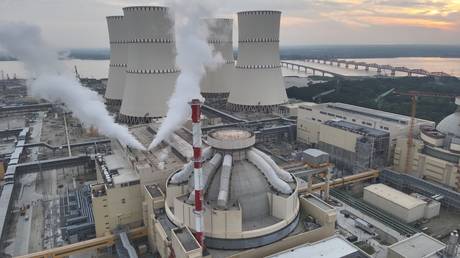
Russia is quietly exploring an additional construction phase for the Rooppur nuclear power plant in Bangladesh, signaling an aggressive push by Moscow to lock in long-term geopolitical influence through energy exports despite sweeping international sanctions. State nuclear corporation Rosatom has confirmed discussions are underway with Dhaka regarding future expansion at the country's sole atomic facility, a multibillion-dollar megaproject largely financed through Russian state loans.
For years, Western policy circles assumed that Moscow's financial isolation would grind its overseas nuclear ambitions to a halt. Instead, the Kremlin has doubled down on state-backed atomic diplomacy across the Global South. Bangladesh finds itself caught in the gravitational pull of this strategy, balancing the urgent need for baseload electricity against mounting geopolitical friction and debt management realities.
The Mechanics of Modern Energy Leverage
Building a nuclear plant is never merely an infrastructure project. It is a sixty-year geopolitical marriage. When Rosatom signs a contract to construct a VVER-1200 reactor, the agreement includes fuel supply, waste management, operator training, and ongoing technical maintenance.
Dhaka's flirtation with an expanded facility stems from sheer industrial necessity. Natural gas reserves within the country are depleting faster than domestic drillers can replace them. Industrial manufacturing hubs experience frequent brownouts. Coal carries severe environmental and logistical liabilities, particularly given import costs and emissions targets. Nuclear power offers a clean, high-output alternative that promises steady electricity for a rapidly growing industrial base.
Yet the financing structure demands careful scrutiny. Russia provided a state export credit covering ninety percent of the initial construction costs for the first phase of the Rooppur project. Repayment terms are tied to specific milestones, and while grace periods exist, the hard currency outflow required to service these debts represents a significant strain on foreign exchange reserves. Discussing a subsequent phase while the first reactors are only now moving toward full operational readiness indicates that economic logic is occasionally subordinate to strategic urgency on both sides.
Navigating Sanctions and Supply Chains
Operating a massive nuclear construction site under a barrage of Western financial sanctions requires creative engineering and financial logistics. International banking restrictions have forced Rosatom and its Bangladeshi counterparts to bypass traditional settlement systems. Transactions involving state-backed ruble-rupee or alternative currency arrangements have become the norm, creating administrative hurdles that did not exist when the initial agreements were signed.
Furthermore, supply chain resilience remains a persistent vulnerability. Key components inside a nuclear reactor cannot simply be sourced from local hardware stores. Precision pumps, specialized valves, and digital control systems require certified vendors. While Russian industry has worked aggressively to substitute Western components with domestic or allied alternatives, international oversight bodies monitor these nuclear supply chains with intense skepticism.
The Domestic Balancing Act in Dhaka
Inside Bangladesh, the nuclear debate involves more than simple arithmetic regarding kilowatt-hours. Civil society groups have periodically raised questions about long-term spent fuel storage, environmental safeguards along the Padma River basin, and the sheer concentration of national debt tied to a single foreign power.
Government technocrats counter these concerns by pointing to stringent oversight from the International Atomic Energy Agency. Safety standards at Rooppur are designed to meet post-Fukushima benchmarks, featuring core catchers and passive safety systems meant to prevent catastrophic meltdowns.
Still, the prospect of an expanded project forces policy planners to weigh the risks of technological lock-in. Once a nation commits to a specific reactor design and fuel cycle, switching vendors becomes virtually impossible for generations. Moscow understands this dynamic better than anyone. By offering an additional phase, the Kremlin secures not just a commercial contract, but an unyielding diplomatic anchor in South Asia, ensuring that relations with Dhaka will remain warm regardless of shifting political tides in Western capitals.



