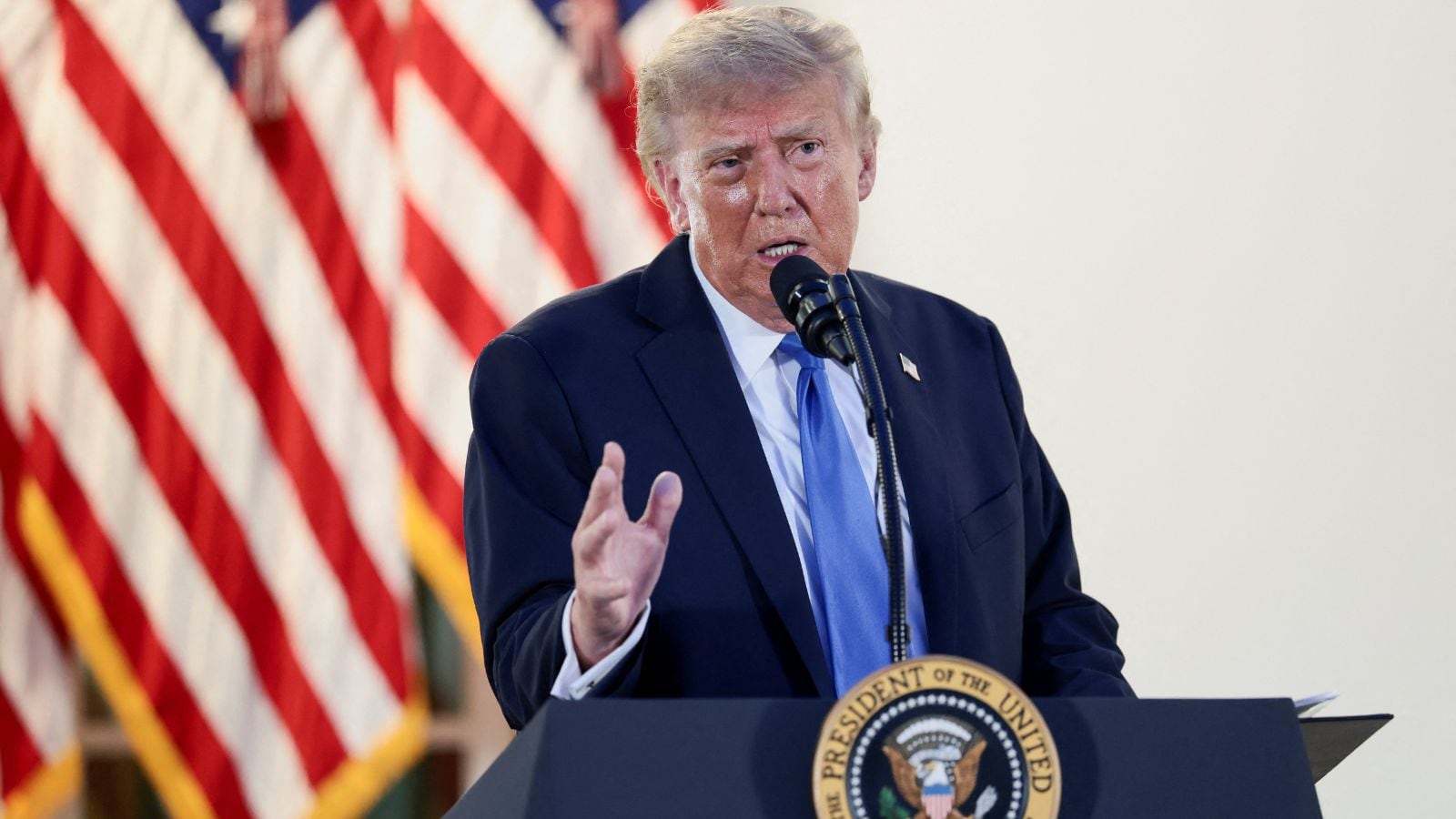
The diplomatic parlor game on the sidelines of the United Nations General Assembly in New York rarely reflects the violence on the ground. When the U.S. State Department quietly circulated invitations for a high-stakes summit between Donald Trump and leaders of the Gulf Cooperation Council, the objective was stark. Washington needed to anchor a post-war blueprint for Iran before regional escalation outpaced political control.
For months, the friction between Washington’s maximum-pressure calculus and the Gulf’s sheer vulnerability had reached a breaking point. Iranian retaliatory strikes had targeted energy infrastructure and airspace across states hosting American assets, transforming regional capitals into frontline insurance risks. Yet, as delegations gathered behind closed doors in Manhattan, the core tension was not merely about halting hostilities. It was about who would guarantee the peace once the ordnance stopped falling.
The Architecture of the Day After
Designing a day-after strategy for the Middle East is an exercise in managing competing anxieties. On one side, the White House has floated the prospect of an off-ramp, insisting that backchannel communications indicate Tehran’s willingness to discuss terms. On the other side, regional heavyweights such as Saudi Arabia and the United Arab Emirates are calculating the cost of a fragile vacuum.
The structural flaw in previous diplomatic pushes has been a failure to align American deterrence with local containment. Gulf capitals understand that Washington remains their primary security umbrella, but they also harbor deep doubts regarding the durability of American commitments when domestic political winds shift. Consequently, while the White House weighs the precise threshold for renewed military action, Gulf monarchies have simultaneously pursued independent diplomatic tracks with Tehran to insulate their own borders.
This hedging strategy creates an acute operational dilemma. A lasting cessation of hostilities requires a synchronized front. If the GCC states speak with fractured voices or prioritize bilateral détente over collective security enforcement, any agreement with Tehran will collapse under its own weight.
The Price of Maritime Security and Uranium Caps
Any credible endgame must settle two immovable variables: the operational status of the Strait of Hormuz and the containment of enriched fissile material.
During previous diplomatic iterations, draft frameworks demanded the complete reopening of critical commercial waterways and strict, verifiable caps on uranium stockpiles. Achieving this today requires more than diplomatic handshakes. It demands that Washington offer explicit, ironclad defense guarantees in exchange for the Gulf states hardening their own military installations and permitting expanded tactical deployments.
Yet, American defense stockpiles are already heavily strained by concurrent global commitments. Telling regional allies that they must shoulder a larger share of the kinetic burden while simultaneously exposing them to retaliatory missile arcs is a difficult diplomatic sell.
As the Manhattan meetings concluded, the reality on the ground remained unyielding. Diplomacy is moving forward because the alternative—an open-ended regional conflagration choking global energy markets—is financially and politically unsustainable. Whether the resulting framework survives the transition from closed-door conference rooms to the harsh realities of Persian Gulf power politics depends entirely on whether Washington can convince its partners that the peace will be as aggressively defended as the war.
Trump meets Arab and GCC leaders as US-Iran tensions ...
This video provides additional context on the diplomatic discussions between U.S. and Gulf leaders regarding regional security and Iran's nuclear program during the high-level meetings.