Oil is charging back toward the psychologically heavy threshold of one hundred dollars a barrel, driven by a volatile mix of renewed military strikes, tightened economic blockades, and a persistent West Asian conflict. Brent crude is hovering just below ninety-nine dollars, while West Texas Intermediate pushes past ninety-four dollars. Mainstream financial commentary treats this commodity surge as a straightforward reaction to daily headline risk. That perspective is dangerously incomplete.
The underlying mechanics of the current energy spike do not stem from a temporary flashpoint or a passing geopolitical tremor. Decades of chronic underinvestment in extraction infrastructure, combined with aggressive state-level sanctions targeting major exporters, have created a fragile physical market. When Washington escalates economic pressure on Tehran, or when regional proxies target energy installations in Saudi Arabia, the physical crude market does not just flinch—it fractures.
The Anatomy of the Supply Chokepoint
Traders love to price risk based on historical volatility curves, assuming that military escalations follow a predictable boom-and-bust cycle. That model broke down months ago. When the United States military engages in direct naval actions against crude transport vessels and broadens aviation and shipping sanctions, the operational capacity of key global suppliers drops permanently.
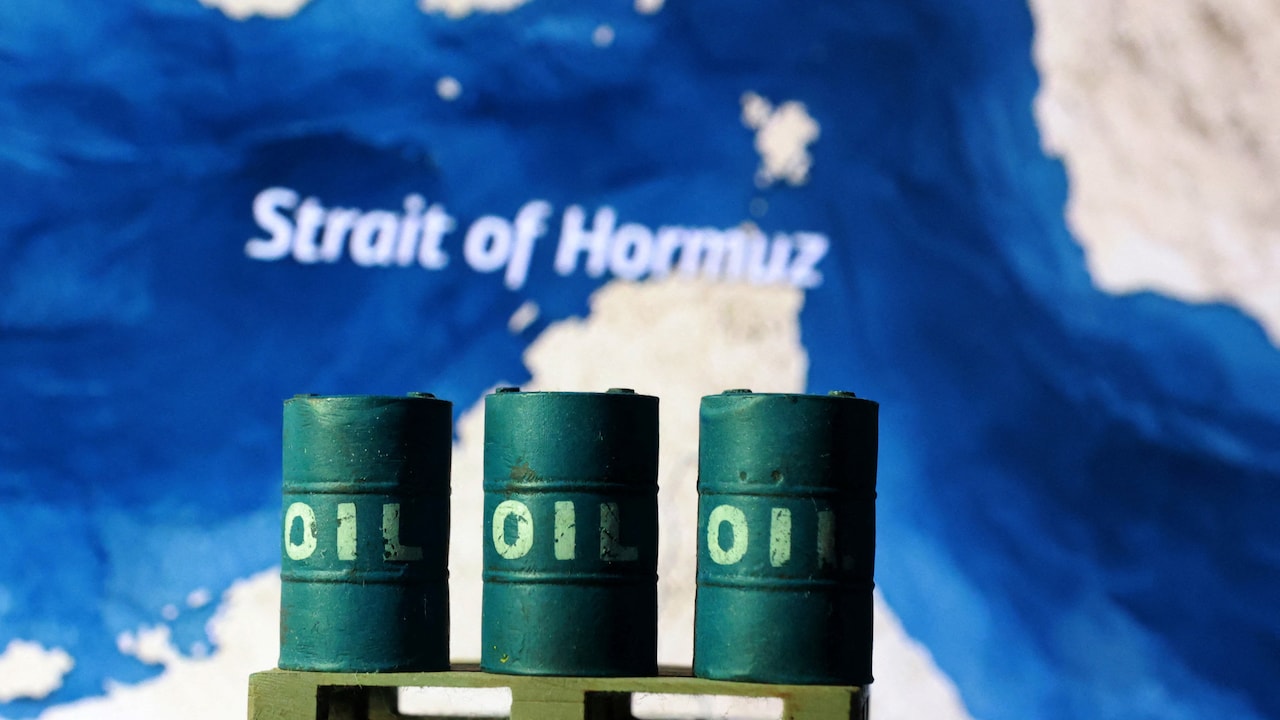
Consider a hypothetical example to illustrate the physical bottleneck. If a major shipping lane like the Strait of Hormuz experiences sustained military interference, the alternative transit routes require longer maritime journeys, tying up global tanker fleets. Tankers sitting idle on extended detours cannot pick up fresh cargo. The effective supply shrinks long before a single well is shut in at the field level.
Markets are slowly waking up to this reality, but analysts continue to miss the compounding nature of these disruptions. Every time a regional facility suffers damage, repair timelines stretch from weeks to months because specialized replacement parts are restricted by trade bans.
The Central Bank Blind Spot
Central bankers watching inflation prints are about to receive a masterclass in imported cost pressures. For the past year, monetary authorities assumed that goods inflation was safely anchored, allowing them to ponder interest rate cuts. Energy, however, is the invisible tax embedded in every single supply chain on earth.
When crude stays above ninety dollars for a prolonged window, the cost profile of manufacturing, chemical processing, and global freight shifts upward. If oil punches through one hundred dollars and stays there, transport costs ripple outward into consumer goods, agricultural fertilizers, and aviation fuel.
[Geopolitical Escalation]
       │
       ▼
[Sanctions & Infrastructure Damage]
       │
       ▼
[Constrained Tanker Logistics & Lower Extraction Output]
       │
       ▼
[Persistent $100+ Crude]
       │
       ▼
[Resurgent Core Inflation & Central Bank Policy Trap]
Financial markets have priced in the initial jump in energy equities like ExxonMobil and Chevron, which opened higher on the back of rising risk premiums. Yet, equity valuations across broader indexes fail to account for the margin compression hitting non-energy companies. When operating expenses spike due to energy costs, corporations face a brutal binary choice: absorb the losses or pass them to a consumer base already buckling under high borrowing costs.
The Illusion of Alternative Reserves
Whenever prices spike, politicians point toward emergency stockpiles or distant production deals as a magic cure. The recent diplomatic posturing over foreign reserves misses a fundamental structural truth. For instance, bringing degraded heavy crude infrastructure back online requires specialized engineering, billions in capital expenditure, and years of uninterrupted development.
You cannot simply turn a valve and flood the global market with millions of barrels of heavy oil overnight. The physical plant requires maintenance that sanctions have actively delayed. Relying on future production promises while current supply lines burn is an administrative fantasy.
The real danger is not the day Brent crosses the hundred-dollar mark. The real danger is what happens during the six months after it stays there, when monetary policy is trapped between a slowing economic growth cycle and re-accelerating commodity-driven inflation.
The market is pricing a headline war while ignoring a structural exhaustion.
Crude Off Highs As US To Impose The 'Toughest' Sanctions In History, On Iran
This broadcast segment provides a detailed breakdown of how aggressive new sanctions and tightening supply disruptions are directly shaping the current trajectory of global oil prices.